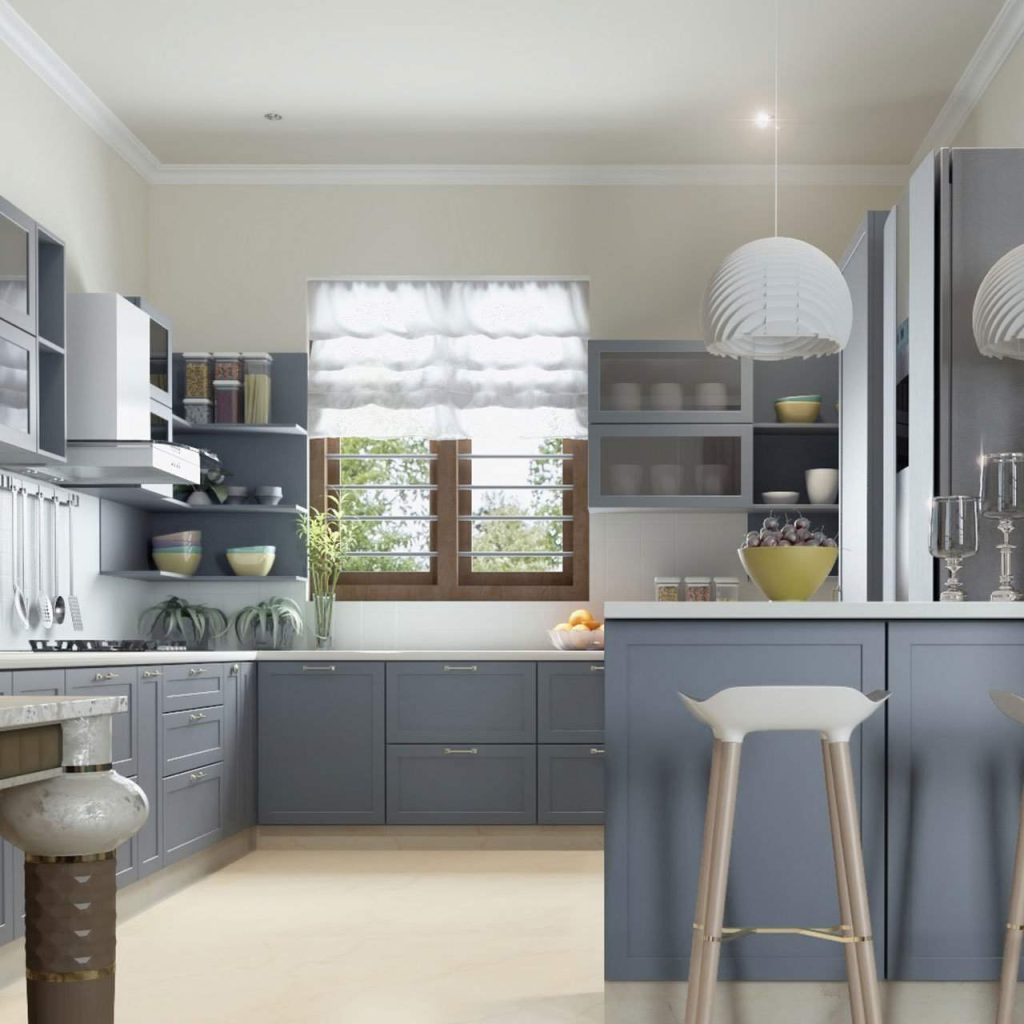
Your kitchen is the heart of your home, and its design can make a big difference in how you feel and function every day. Whether you love cooking or just want a space that feels welcoming and organized, knowing the right do’s and don’ts can save you time, money, and frustration.
Imagine walking into a kitchen where everything flows smoothly, where you enjoy every moment spent preparing meals, and where guests can’t help but admire your style. This guide will show you simple but powerful tips to help you create a kitchen that works perfectly for you.
Ready to discover the secrets to a kitchen you’ll love? Keep reading!

Credit: www.countryliving.com
Essential Kitchen Layouts
Designing a kitchen starts with choosing the right layout. A good layout makes cooking easier and more fun.
This guide covers key points on kitchen layouts. Learn how to use space well and keep traffic flowing smoothly.
Choosing The Right Layout
Pick a layout that fits your kitchen size and how you cook. Common types include the U-shape, L-shape, and galley kitchen.
- U-shape:Offers plenty of counter space and storage.
- L-shape:Works well in open areas and small kitchens.
- Galley:Ideal for narrow kitchens with two parallel counters.
- Island:Adds extra workspace and seating if space allows.
Maximizing Space Efficiency
Use every inch of your kitchen wisely. Organize appliances and storage for easy reach and use.
| Space Type | Tips |
| Cabinets | Install pull-out shelves and vertical dividers. |
| Countertops | Keep clear areas near stove and sink for prep work. |
| Corners | Use lazy Susans or corner drawers to avoid wasted space. |
| Vertical Space | Add wall hooks and hanging racks for utensils and pots. |
Traffic Flow Tips
Plan paths so people move easily without bumping into each other. Keep busy areas clear.
- Keep the fridge, stove, and sink close for smooth work.
- Leave at least 36 inches between counters for walking space.
- Avoid placing doors where they block key work areas.
- Design zones for cooking, cleaning, and food storage.
Smart Storage Solutions
Smart storage solutions help you keep your kitchen neat and easy to use. Good design saves space and makes cooking more fun.
Using clever storage ideas can make your kitchen look bigger and more organized. It also helps you find things quickly.
Cabinet Organization Hacks
Organizing cabinets well can stop clutter and save time. Group items by use and size to keep cabinets tidy.
- Use clear containers for dry goods
- Label shelves for easy spotting
- Store heavy pots on lower shelves
- Keep daily items at eye level
- Use shelf risers to double space
Utilizing Vertical Space
Vertical space is often wasted but can hold many useful storage options. Use walls and tall cabinets to your advantage.
| Vertical Storage Idea | Best Use |
| Wall-mounted racks | Hanging pots and pans |
| Tall pantry shelves | Storing canned goods |
| Overhead pot racks | Saving cabinet space |
| Hooks on cabinet sides | Holding utensils and towels |
Incorporating Pull-out Drawers
Pull-out drawers make it easy to reach items in deep cabinets. They reduce bending and searching for things at the back.
- Improves accessibility
- Maximizes deep cabinet space
- Keeps items organized and visible
- Reduces kitchen mess and frustration
Effective Lighting Choices
Good lighting makes your kitchen safe and pleasant. It helps you see what you are doing and creates a cozy space.
Choosing the right lights improves your kitchen’s look and function. Let’s explore some useful lighting ideas.
Layered Lighting Techniques
Layered lighting uses different types of lights to brighten your kitchen well. It adds depth and avoids shadows.
- Ambient lighting fills the room with soft light.
- Task lighting focuses on work areas like counters and sinks.
- Accent lighting highlights features such as cabinets or artwork.
Task Vs Ambient Lighting
Task lighting helps you see details clearly. Ambient lighting gives general brightness for the whole kitchen.
| Lighting Type | Purpose | Example |
| Task Lighting | Brighten work areas | Under-cabinet lights |
| Ambient Lighting | Light up entire room | Ceiling lights |
Energy-efficient Options
Energy-saving lights reduce bills and last longer. They keep your kitchen bright without wasting power.
- LED bulbs use less energy and give bright light.
- CFL bulbs cost less but take time to warm up.
- Smart lighting lets you control brightness and timing.

Credit: www.reddit.com
Durable Materials Selection
Choosing strong materials is key for a kitchen that lasts long. Durable materials save money by reducing repairs.
Pick materials that resist scratches, stains, and heat. This keeps your kitchen looking fresh for years.
Countertop Options
Countertops need to handle cutting, heat, and spills. Look for surfaces that are tough and easy to clean.
Popular durable countertop materials include granite, quartz, and solid surface. They resist damage and stains well.
- Granite:Very hard and heat resistant
- Quartz:Non-porous and low maintenance
- Solid Surface:Seamless and repairable
Flooring Materials
Kitchen floors face heavy foot traffic and spills. Choose flooring that stands up to wear and water.
Good options include tile, vinyl, and hardwood with proper finish. These materials last longer and stay easy to clean.
- Tile:Water resistant and very durable
- Vinyl:Soft underfoot and easy to maintain
- Hardwood:Strong but needs sealing
Backsplash Ideas
Backsplashes protect walls from water and stains. Pick materials that are easy to clean and resistant to damage.
Popular backsplash choices include ceramic tile, glass, and stainless steel. They offer good protection and style.
- Ceramic Tile:Easy to clean and water resistant
- Glass:Modern look and stain resistant
- Stainless Steel:Durable and heat resistant
Color Schemes And Finishes
Choosing the right colors and finishes makes a kitchen look fresh and inviting. These choices affect the mood and style of the space.
Good color schemes and finishes work together to create a kitchen that feels balanced and comfortable.
Popular Color Combinations
Many kitchens use color pairs that look good together and fit different styles. Classic combos never go out of style.
- White and gray for a clean, modern look
- Blue and white for a calm, fresh feel
- Black and wood tones for a warm, cozy vibe
- Green and cream for a natural, earthy touch
- Bold red with neutral colors for energy
Matte Vs Glossy Finishes
Matte finishes have a soft look with little shine. They hide fingerprints and smudges well.
Glossy finishes shine bright and reflect light. They make colors pop but show marks easily.
- Matte: hides dirt, looks subtle
- Glossy: brightens space, shows fingerprints
- Choose based on style and maintenance
Creating Visual Balance
Balance means no part of the kitchen feels too heavy or too empty. Color and finish choices help achieve this.
Use darker colors in small amounts to avoid crowding. Light colors open up the space and add airiness.
- Mix light and dark colors evenly
- Use glossy finishes to highlight features
- Apply matte finishes to large surfaces
- Keep a neutral base with color accents

Credit: m.youtube.com
Appliance Placement Tips
Placing appliances correctly makes your kitchen easy to use. Good placement saves time and effort while cooking.
Think about how you move in the kitchen. Place appliances where they fit your daily tasks best.
The Kitchen Work Triangle
The kitchen work triangle links the sink, stove, and refrigerator. This layout helps you move quickly between tasks.
- Keep the triangle sides between 4 and 9 feet long.
- Avoid placing obstacles inside the triangle.
- Make sure no walkway crosses the triangle.
- Place the stove away from doors and windows to reduce drafts.
Built-in Vs Freestanding Appliances
Built-in appliances fit flush with cabinets. Freestanding units stand alone and can move easily.
| Type | Advantages | Considerations |
|---|---|---|
| Built-In | Sleek look, saves space, custom fit | Higher cost, less flexible placement |
| Freestanding | Easy to move, often cheaper | May not match kitchen design, needs more space |
Safety Considerations
Safety is key in appliance placement. Keep heat sources away from flammable items and water.
- Place the stove away from curtains and towels.
- Keep electrical appliances away from sinks and wet areas.
- Ensure clear space around appliances for ventilation.
- Avoid placing heavy appliances on unstable surfaces.
Avoiding Common Mistakes
Designing a kitchen can be tricky. Many people make simple mistakes. These errors can hurt the look and function of the space.
This guide covers three common mistakes. Avoiding them helps create a better kitchen design.
Overcrowding The Space
Putting too many items or furniture pieces in the kitchen makes it hard to move. A crowded kitchen feels small and cluttered.
- Choose only essential appliances and furniture.
- Keep walkways at least 36 inches wide.
- Use vertical storage to save floor space.
- Pick compact designs for appliances when possible.
Ignoring Ventilation Needs
Good air flow is key in a kitchen. Without it, smells and smoke stay inside. This can cause discomfort and damage walls.
| Ventilation Type | Benefits |
| Range Hood | Removes smoke and cooking smells quickly |
| Exhaust Fan | Keeps air fresh and reduces moisture |
| Windows | Allows natural air flow and light |
Poor Lighting Choices
Bad lighting makes the kitchen unsafe and dull. Bright and layered lights improve work areas and mood.
Use this lighting plan for your kitchen:
- Ambient Lighting:Overhead lights for general brightness.
- Task Lighting:Focused lights under cabinets or over counters.
- Accent Lighting:Soft lights to highlight design features.
Incorporating Personal Style
Your kitchen should reflect who you are. Adding your own style makes it unique and inviting.
Mixing design ideas creates a space that feels both fresh and comfortable.
Mixing Modern And Traditional Elements
Blend sleek modern pieces with classic touches. This mix keeps the kitchen lively and warm.
- Use modern light fixtures with vintage cabinets
- Pair stainless steel appliances with wooden shelves
- Choose a classic tile pattern with contemporary colors
- Mix smooth countertops with textured backsplashes
Adding Unique Decor
Personal decorations give your kitchen character. Items you love make the space feel like home.
| Decor Type | Example | Effect |
|---|---|---|
| Artwork | Framed prints or paintings | Adds color and personality |
| Plants | Herbs or small pots | Brings freshness and life |
| Vintage Items | Old jars or dishes | Creates nostalgia and charm |
| Handmade Pieces | Knitted cloths or pottery | Shows creativity and warmth |
Balancing Function And Aesthetics
Design must be pretty and useful. A kitchen works best when both are balanced well.
- Plan storage that fits your needs
- Choose materials that are easy to clean
- Keep workspaces clear and open
- Pick colors that make the room feel bright
- Add lighting for both task and mood
Frequently Asked Questions
What Are The Essential Kitchen Design Do’s?
Focus on functionality, efficient storage, and good lighting. Use durable materials and ensure ample workspace. Prioritize a layout that supports easy movement and workflow.
What Common Kitchen Design Don’ts Should I Avoid?
Avoid cluttered layouts, poor lighting, and insufficient storage. Don’t ignore ventilation or choose impractical materials. Steer clear of overcrowding appliances and neglecting safety measures.
How To Choose The Right Kitchen Layout?
Consider your kitchen size and workflow. Popular layouts include L-shape, U-shape, and galley. Choose one that maximizes space and improves efficiency.
Why Is Lighting Important In Kitchen Design?
Proper lighting enhances visibility and safety. It also creates ambiance and highlights key areas. Use a mix of task, ambient, and accent lighting.
Conclusion
Good kitchen design makes cooking easy and enjoyable. Keep your space clean and organized. Choose colors and materials that feel warm and bright. Plan your layout to save time and effort. Avoid clutter and pick the right tools. Small changes can make a big difference.
Remember, your kitchen should fit your needs and style. Follow these do’s and don’ts for a kitchen you love. Design smart, live better.