What is Ceramic Coating on Cookware: Ultimate Guide

Have you ever wondered what makes some cookware so easy to clean and resistant to scratches? The secret often lies in a special layer called ceramic coating.
If you want to know how this coating can change your cooking experience, protect your pans, and even improve your health, you’re in the right place. Keep reading to discover what ceramic coating on cookware really is and why it might be the best upgrade your kitchen needs.
Ceramic Coating Basics
Ceramic coating is a popular finish on cookware. It helps food cook evenly and stops sticking.
This coating is made from natural materials. It is often chosen for its smooth surface and easy cleaning.
What Ceramic Coating Is
Ceramic coating is a non-stick layer applied to pots and pans. It is made from inorganic minerals.
The coating creates a hard surface that resists scratches and heat. It also reduces the need for oils or fats.
Materials Used In Ceramic Coating
The main materials in ceramic coatings are silica and other natural minerals. These come from sand or quartz.
- Silica: gives strength and heat resistance
- Titanium dioxide: adds durability and whiteness
- Alumina: improves hardness and scratch resistance
- Other minerals: enhance smoothness and non-stick ability
| Material | Function |
| Silica | Strength and heat resistance |
| Titanium dioxide | Durability and color |
| Alumina | Hardness and scratch resistance |
| Other minerals | Smooth surface and non-stick quality |

Credit: www.hg-cooker.com
Benefits Of Ceramic Coating
Ceramic coating on cookware offers many advantages. It improves cooking experience and care.
This coating is popular for its unique features. It helps keep food from sticking and lasts long.
Non-stick Properties
Ceramic coating creates a smooth surface. It prevents food from sticking during cooking.
- Easier cooking with less oil
- Simple cleaning after use
- Better food texture without burning
- Reduced risk of food sticking and breaking
Durability And Scratch Resistance
This coating is hard and resists scratches well. It keeps cookware looking new longer.
| Feature | Benefit |
| Scratch resistance | Prevents marks from metal utensils |
| Heat resistance | Maintains coating at high temperatures |
| Long-lasting | Extends cookware life |
Health And Safety Advantages
Ceramic coatings do not contain harmful chemicals. This makes cooking safer for families.
Health benefits include:
- No release of toxic fumes when heated
- Does not contain PFOA or PTFE
- Supports cooking with less oil
- Easy to clean, reducing bacteria buildup
Types Of Ceramic Coated Cookware
Ceramic coated cookware has a smooth, non-stick surface made from a ceramic layer. It is a popular choice for healthy cooking without much oil.
This cookware comes in different types. Each type fits certain cooking needs and styles.
Pots And Pans
Ceramic coated pots and pans are common in kitchens. They offer even heat and easy cleaning.
These include frying pans, saucepans, and sauté pans. They work well for frying, boiling, and simmering.
- Frying pans: Great for eggs and pancakes
- Saucepans: Good for sauces and small soups
- Sauté pans: Ideal for frying and browning
Bakeware
Ceramic coated bakeware includes items like baking trays and cake pans. The coating helps food release easily.
This type is safe for oven use. It heats evenly and cleans up quickly after baking.
- Baking sheets: Used for cookies and roasting
- Cake pans: For baking cakes and breads
- Muffin tins: Perfect for cupcakes and muffins
Specialty Cookware
Specialty ceramic coated cookware serves specific cooking needs. These items include woks and grill pans.
They offer non-stick surfaces for unique cooking styles and help reduce oil use.
- Woks: For stir-frying and quick cooking
- Grill pans: For grilling indoors with grill marks
- Griddles: Good for pancakes and sandwiches
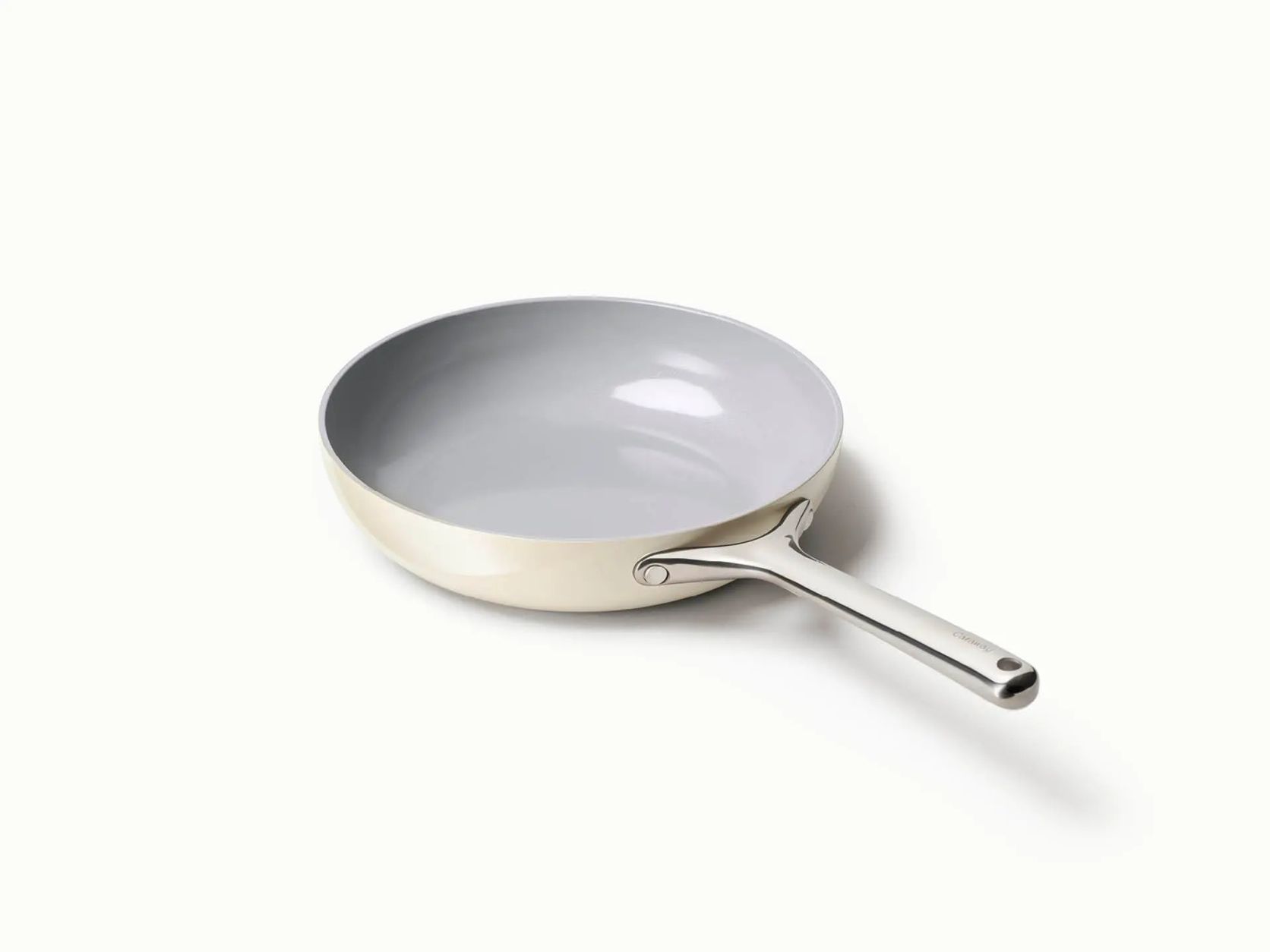
Credit: nymag.com
How Ceramic Coating Works
Ceramic coating on cookware creates a smooth, hard surface. It helps food cook evenly and prevents sticking.
This coating is made from natural materials that bond to the metal of the pan. It protects the cookware and improves cooking.

Similar Posts


