How to Organize Small Kitchen Counter Space: Smart & Simple Tips

Is your small kitchen counter always cluttered and frustrating to work on? You’re not alone, and the good news is you can change that.
Imagine having a clear, organized space where every item has its place, making cooking easier and even more enjoyable. You’ll discover simple, practical tips to maximize your small kitchen counter space. By the end, you’ll feel confident and ready to transform your kitchen into a neat, efficient area that works for you.
Keep reading to unlock the secrets to a clutter-free counter that saves you time and stress.
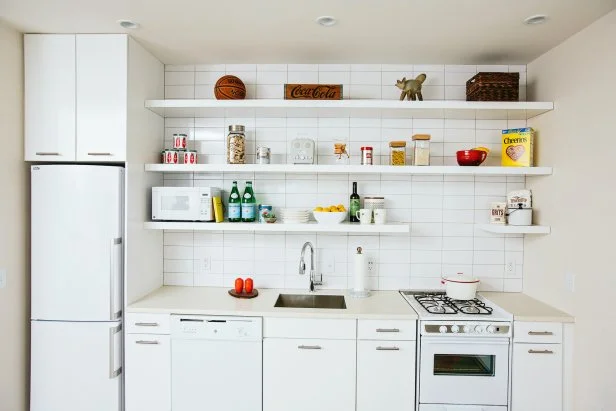
Credit: www.hgtv.com
Assess Your Counter Space
Organizing a small kitchen counter is important for better cooking and cleaning. You need to understand your space first.
Knowing what you have and what you use helps you make smart choices. This saves time and keeps the kitchen tidy.
Measure And Map Your Area
Start by measuring your countertop length and width. Write down these numbers to know the exact space you have.
Draw a simple map of your counter. Mark where appliances and outlets are placed to plan better.
- Use a tape measure to get accurate sizes
- Note fixed spots like sinks or stovetops
- Sketch a rough layout on paper or a phone app
Identify Daily Essentials
Look for items you use every day, like a coffee maker or cutting board. These need easy access.
Keep only daily essentials on the counter. Store other tools in cabinets or drawers to free space.
- Common essentials: toaster, knife block, spice rack
- Limit essentials to what fits comfortably
- Move rarely used items out of sight
Spot Clutter Hotspots
Find areas where clutter builds up fast. These spots often hold mail, keys, or extra dishes.
Clear these clutter zones regularly. Use trays or small containers to keep items organized.
- Check corners and spaces near the sink
- Look for piles of papers or unused items
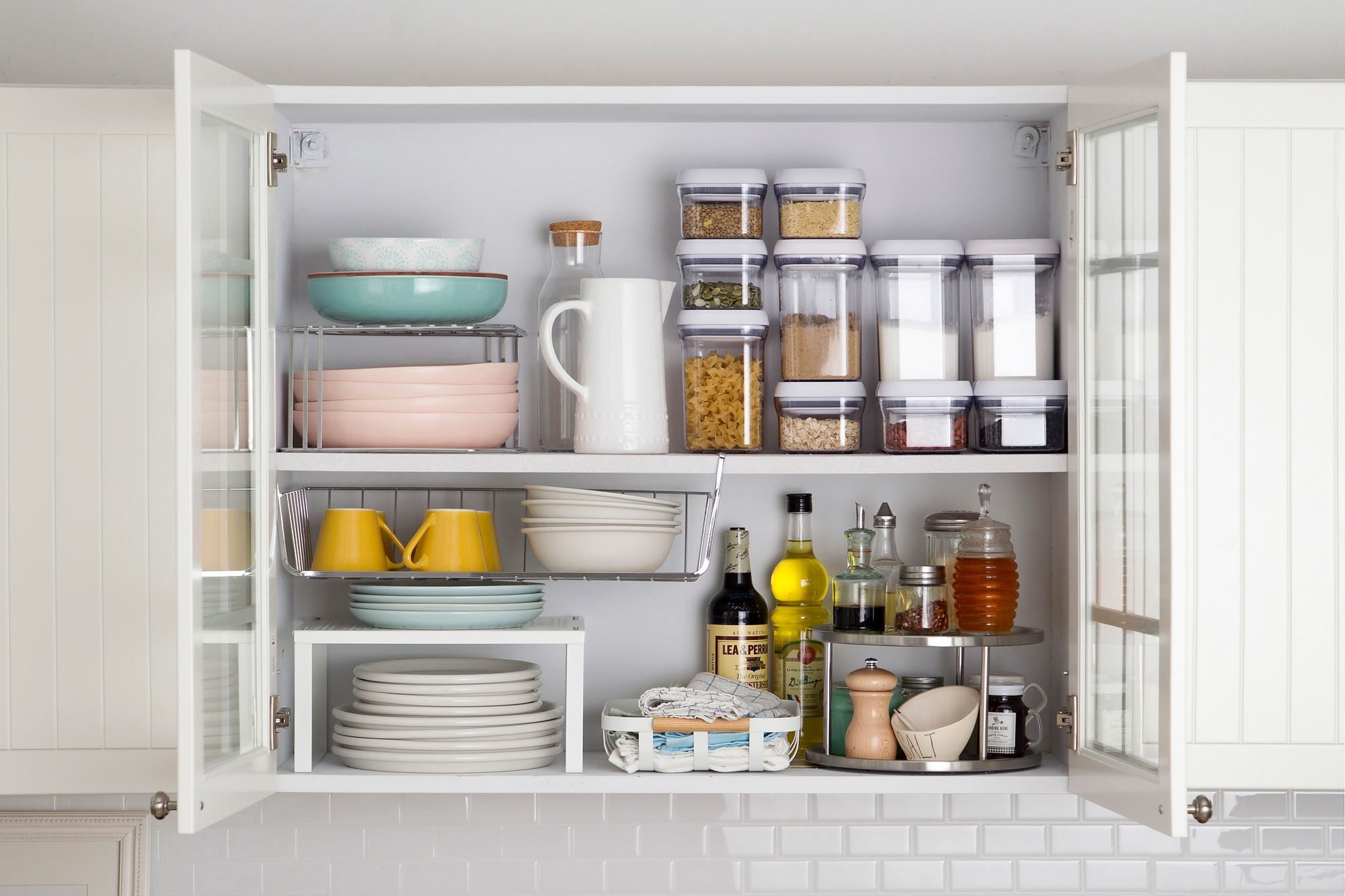
- Assign a container or basket for loose objects
Credit: www.rd.com
Declutter And Minimize
Small kitchen counters fill up fast. Clutter limits your workspace and slows you down.
Keep only what you use daily. Clear the rest to make cooking easier and more fun.
Sort Items By Usage
Group kitchen items by how often you use them. Store daily items within easy reach.
- Keep utensils and tools you use every day on the counter or in front drawers.
- Store less-used appliances and gadgets in cabinets or pantry shelves.
- Place rarely used items in higher or lower storage areas.
Remove Unnecessary Appliances
Too many appliances take up valuable space. Only keep what you use regularly.
| Appliance | Keep If You Use It |
| Toaster | Every day or several times a week |
| Blender | Weekly or more often |
| Ice Cream Maker | Rarely – store away |
| Slow Cooker | Monthly – store in cabinet |
Limit Decorative Items
Too many decorations crowd your counter. Keep only a few meaningful items.
Try this simple rule:
- Choose one or two small decorations, like a plant or a bowl of fruit.
- Remove anything that does not serve a purpose or bring joy.
- Keep decorations away from cooking and prep areas.
Use Vertical Storage
Small kitchens often have limited counter space. Using vertical storage helps keep counters clear.
Vertical storage uses the walls and space above counters to organize items. This makes kitchens feel less crowded.
Install Wall Shelves
Wall shelves add storage without taking counter space. You can store spices, dishes, and small appliances.
Open shelves keep things visible and easy to reach. Choose shelves that match your kitchen style.
- Place shelves above the counter or sink
- Use sturdy materials like wood or metal
- Keep frequently used items on lower shelves
- Decorate with small plants or jars
Add Hooks And Racks
Hooks and racks use wall space to hang pots, pans, and utensils. This saves drawer and counter space.
Hooks keep your kitchen tools organized and easy to grab. Racks can hold towels or cutting boards.

Similar Posts


