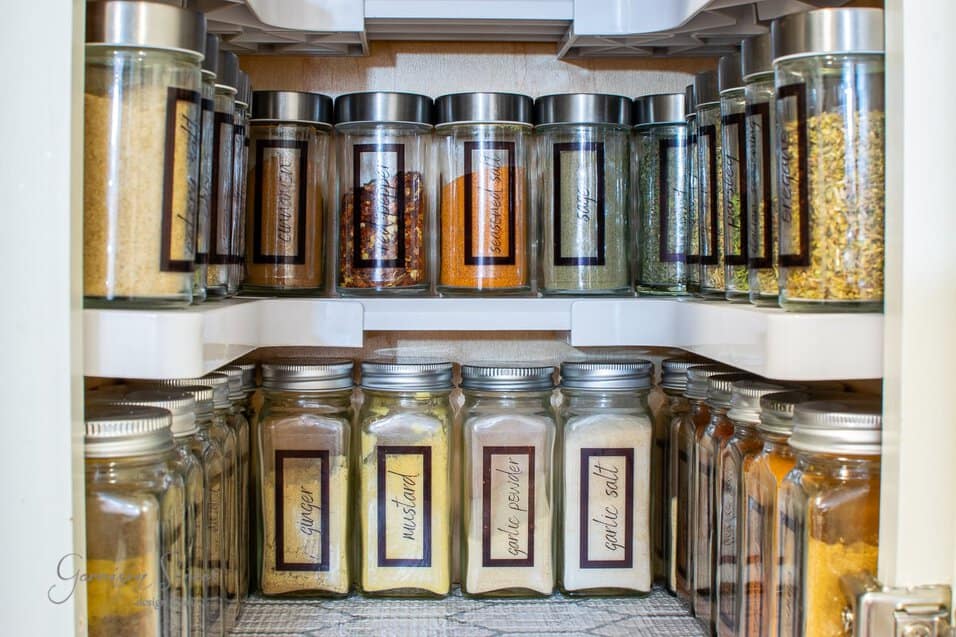
Are you tired of digging through cluttered spice jars every time you cook? Your kitchen spices can easily become a chaotic mess, making meal prep frustrating and slow.
But imagine opening your spice cabinet and instantly finding exactly what you need—no stress, no wasted time. Organizing your kitchen spices isn’t just about neatness; it’s about making your cooking experience smoother and more enjoyable. You’ll discover simple, practical tips to transform your spice collection into an organized, accessible setup that saves you time and sparks your creativity.
Ready to take control of your spices and boost your kitchen efficiency? Let’s get started!
Credit: www.hgtv.com
Choosing The Right Containers
Organizing kitchen spices starts with picking good containers. The right containers keep spices fresh and easy to find.
Think about size, material, and how you will label each container. These choices make a big difference in your spice organization.
Glass Vs Plastic Options
Glass containers look clean and do not absorb smells. They show the spice color clearly. Glass is easy to clean but can break if dropped.
Plastic containers are lighter and less likely to break. Some plastics may absorb odors or stain. Choose BPA-free plastic for safety.
- Glass keeps spices visible and fresh
- Plastic is lighter and safer from drops
- Check for BPA-free labels on plastic
Labeling Techniques
Labels help you find spices quickly. Use clear and simple labels on each container.
Write the spice name in large letters. You can add the purchase or expiration date to keep spices fresh.
- Use waterproof labels or stickers
- Write with permanent markers
- Place labels on the lid or front
- Include spice name and date
Airtight Seals Importance
Airtight containers keep spices fresh longer. They stop air, moisture, and bugs from getting in.
Look for containers with tight lids or silicone seals. This helps keep the spices’ aroma and flavor strong.
- Prevents spices from going stale
- Keeps moisture out to avoid clumps
- Protects from bugs and dust
- Maintains flavor and aroma
Sorting And Categorizing Spices
Organizing kitchen spices helps you find them quickly. It also keeps your kitchen neat and tidy.
Sorting spices by different ways makes cooking easier. You can choose a method that fits your style.
By Frequency Of Use
Keep spices you use often in a spot that is easy to reach. Put less used spices in a separate place.
This way, you save time while cooking. It also reduces the chance of forgetting your spices.
- Daily spices like salt, pepper, and garlic powder go in front
- Weekly spices such as paprika or oregano go next
- Rarely used spices like saffron or cardamom go last
By Cuisine Type
Group spices based on the type of food you cook. This helps you find the right spices fast.
For example, keep Italian spices like basil and oregano together. Place Indian spices like cumin and turmeric in another group.
- Italian: basil, oregano, rosemary
- Indian: cumin, turmeric, coriander
- Mexican: chili powder, cumin, cilantro
- Middle Eastern: sumac, za’atar, cinnamon
Alphabetical Arrangement
Arrange spices from A to Z for easy searching. This method works well if you have many spices.
Label jars clearly and place them in alphabetical order on your shelf or rack. It saves time when you cook.
- Allspice
- Basil
- Cinnamon
- Dill
- Oregano
- Thyme
Storage Solutions For Small Spaces
Organizing kitchen spices can be tough in small spaces. Good storage helps save room and keeps spices easy to find.
Use smart ideas to store spices neatly. This makes cooking faster and your kitchen tidy.
Magnetic Racks
Magnetic racks stick to metal surfaces like refrigerators. They hold spice jars without taking counter space.
These racks keep spices visible and easy to reach. You can arrange jars by use or alphabet for quick access.
- Mount on fridge or metal cabinet sides
- Use magnetic jars or add metal lids
- Saves counter and drawer space
- Keeps spices organized and visible
Drawer Inserts
Drawer inserts keep spice jars in order inside drawers. This avoids clutter and prevents jars from rolling.
Choose inserts with angled slots. They make labels easy to read when you open the drawer.
- Use inserts with slots for each jar
- Place jars with labels facing up
- Fits in narrow or deep drawers
- Protects jars from tipping over
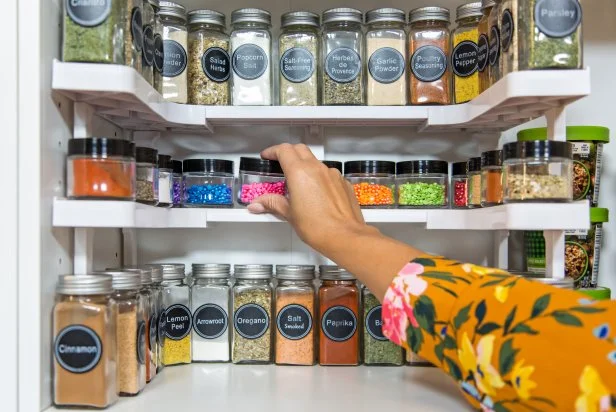
Tiered Shelving
Tiered shelves stack spice jars in steps. This design helps you see all labels clearly.
Use tiered shelves inside cabinets or on counters. They make the most of vertical space in small kitchens.
- Place jars on different levels for easy viewing
- Use inside cabinets or on small counters
- Maximizes vertical space
- Keeps spices neat and accessible

Credit: elegantsi.com
Maintaining Freshness And Quality
Keeping kitchen spices fresh helps keep their flavor strong. Proper storage stops spices from losing taste and aroma.
Good habits in handling spices also extend their shelf life. Here are ways to keep your spices fresh and high quality.
Avoiding Heat And Humidity
Heat and moisture make spices lose flavor quickly. Store spices away from stoves, ovens, and dishwashers.
- Keep spices in a cool, dry place
- Use airtight containers to block moisture
- Avoid storing spices near windows or sunlight
- Use a cabinet or drawer for storage
Proper Refill Practices
Refilling spice containers correctly keeps spices pure and fresh. Avoid mixing old and new spices in one container.
- Empty the container before adding new spice
- Clean the container to remove residue
- Refill with fresh spice only
- Label the container with the refill date
Expiration Date Tracking
Tracking expiration dates helps use spices before they lose quality. Use labels or charts to monitor spice freshness.
| Spice | Typical Shelf Life | Storage Tip |
|---|---|---|
| Ground Spices | 2 years | Store in dark airtight jars |
| Whole Spices | 4 years | Keep in cool dry place |
| Herbs | 1 year | Use glass containers with lids |
Creative Display Ideas
Organizing kitchen spices can be both practical and stylish. A good display helps you find spices quickly. It also adds charm to your kitchen space.
Try different ways to show off your spices. Use shelves, wall racks, or jars to keep them neat and easy to reach.
Open Shelving
Open shelves keep your spices visible and accessible. You can arrange bottles by size, color, or frequency of use. It makes your kitchen look lively and organized.
- Use wooden or metal shelves for a rustic or modern look.
- Group spices in small baskets or trays to avoid clutter.
- Label each jar clearly for easy identification.
- Keep frequently used spices at eye level.
Wall-mounted Organizers
Wall-mounted racks save counter space and keep spices within reach. They come in many styles, from magnetic strips to tiered shelves. These organizers turn your spices into a decorative feature.
| Type | Description | Benefit |
| Magnetic Strip | Holds metal spice tins or jars with lids | Easy to clean and adjust |
| Tiered Shelf | Stacked shelves attached to the wall | Displays many spices clearly |
| Hanging Rack | Spice jars hang from hooks or clips | Keeps jars off counters |
Repurposed Jars
Use old jars to store spices and create a unique display. Clean them well and add new labels. You can decorate lids or paint jars to match your kitchen style.


Streamlining Your Spice Inventory
Organizing your kitchen spices makes cooking easier and faster. A tidy spice collection helps you find what you need quickly.
Keeping your spices neat also reduces waste and saves money. Follow simple steps to keep your spice inventory under control.
Removing Duplicates
Check your spices for duplicates and remove extras. Having many of the same spice takes up space and causes confusion.
Keep only the amount you use regularly. Donate or share the rest with friends or family.
- Empty your spice rack or drawer
- Group spices by type or use
- Identify duplicates and expired items
- Keep one container of each spice
- Give away or discard extras
Regular Decluttering
Set a schedule to check your spices every few months. Remove old or expired spices to keep your collection fresh.
Organize spices by frequency of use. Place everyday spices in easy reach and rare ones in a less accessible spot.
- Look for expired or stale spices
- Wipe jars clean and check labels
- Rearrange spices for better access
- Adjust inventory based on cooking habits
Shopping Smartly
Buy only the spices you need for your recipes. Avoid overbuying to prevent clutter and waste.
Choose smaller containers or sample sizes when possible. This helps keep your spice rack manageable and fresh.
- Check what spices you already have
- Make a list before shopping
- Buy small amounts for rare spices
- Restock popular spices only when low

Credit: www.reddit.com
Frequently Asked Questions
How Can I Categorize My Kitchen Spices Effectively?
Organize spices by type, frequency of use, or cuisine. Group similar flavors together for easy access while cooking. Label jars clearly to save time and reduce clutter.
What Are The Best Containers For Storing Spices?
Use airtight glass jars to keep spices fresh longer. Clear containers help identify contents quickly. Avoid plastic containers as they can absorb odors and moisture.
How Should I Arrange Spices For Easy Access?
Place frequently used spices at eye level or near the stove. Use tiered racks or drawer inserts to maximize space and visibility. Keep rarely used spices in less accessible areas.
How Do I Maintain Spice Freshness Longer?
Store spices in a cool, dark place away from heat and sunlight. Avoid moisture by sealing containers tightly. Regularly check expiration dates and replace old spices promptly.
Conclusion
Organizing kitchen spices saves time and reduces clutter. It helps you find spices quickly while cooking. Clean and label your containers for easy use. Store spices in a cool, dry place to keep them fresh. Try simple racks or drawer inserts to keep things neat.
A well-organized spice area makes cooking more enjoyable. Small steps create a big difference in your kitchen. Start today and enjoy a tidier, happier cooking space.