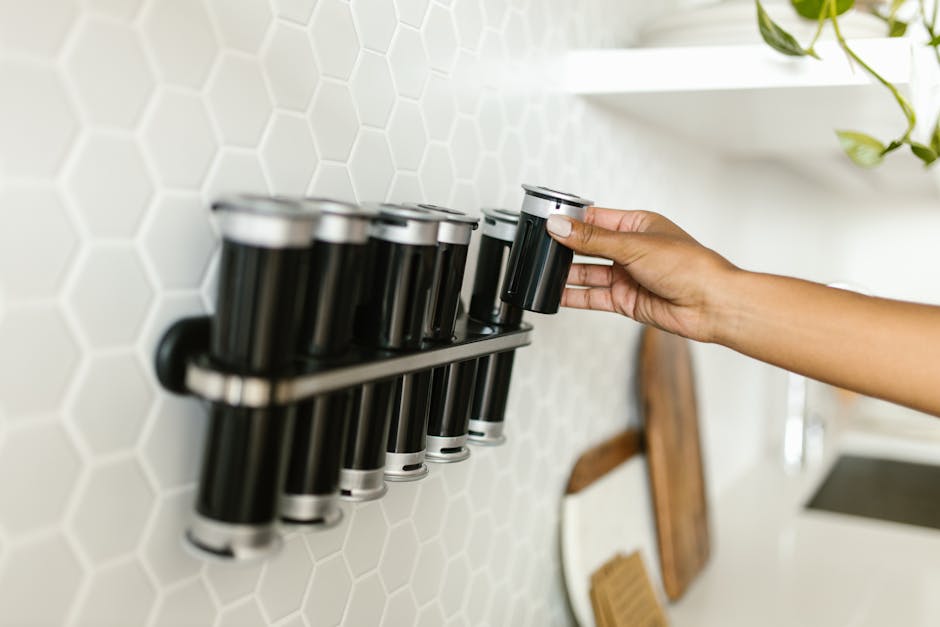
Are you wondering where your kitchen appliances should be placed for the best use of space and efficiency? The way you arrange your appliances can make cooking easier, save time, and even reduce stress.
Whether you have a small kitchen or a large one, the right placement can transform your daily routine. Keep reading to discover simple tips that will help you organize your kitchen appliances perfectly, so your cooking experience becomes smoother and more enjoyable.
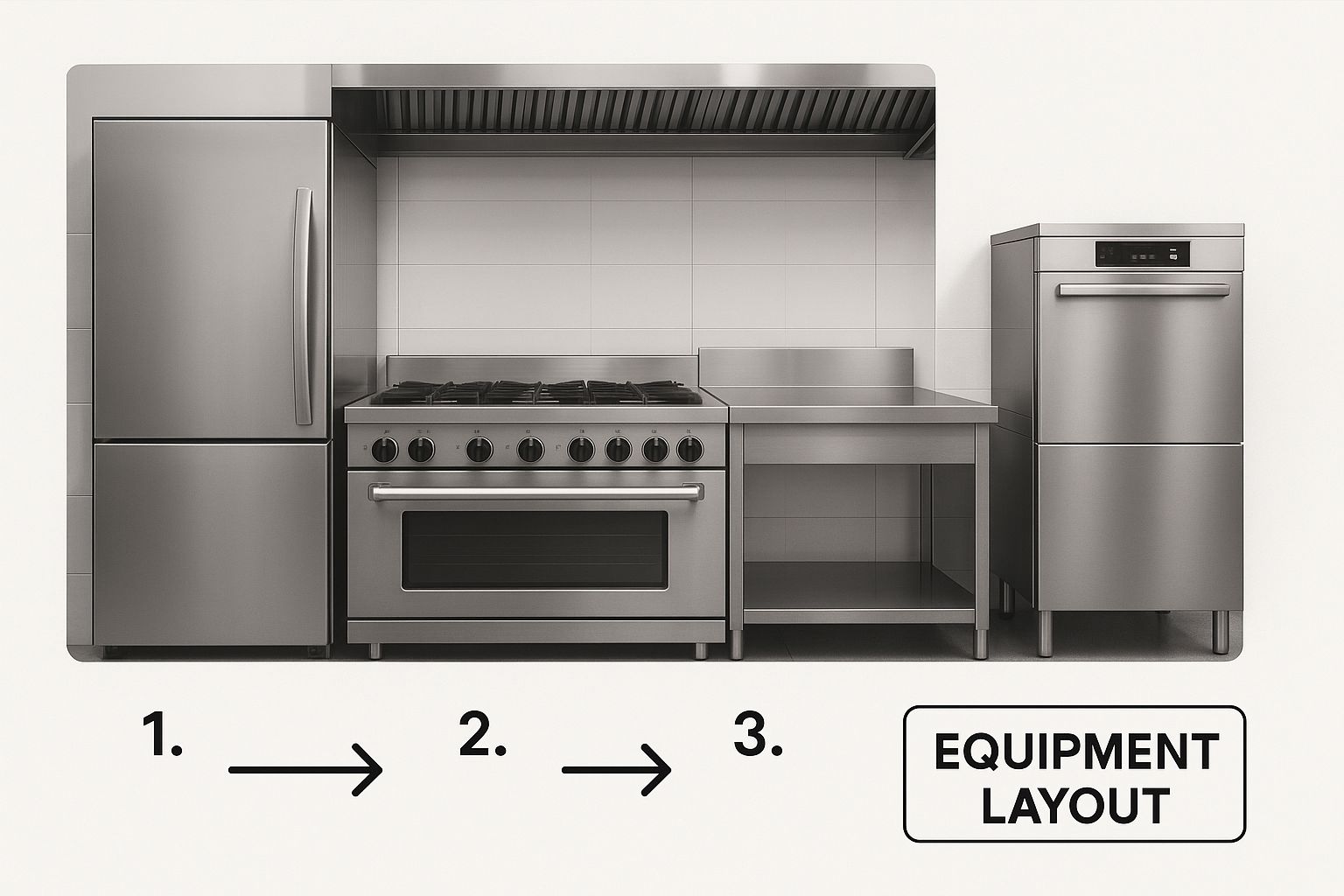
Credit: therestaurantwarehouse.com
Choosing The Right Spots
Placing kitchen appliances in the right spots helps you work faster. Good placement makes cooking easier and keeps the kitchen neat.
Think about how you use your kitchen and where each appliance fits best. This guide helps you decide the best places for your devices.
Prioritize Frequent Use Appliances
Put appliances you use often in easy-to-reach places. This saves time and effort while cooking or preparing food.
Keep items like the coffee maker or toaster near the countertop or dining area. This way, you can grab them quickly.
- Place daily use appliances at eye level
- Keep cords near outlets for easy access
- Avoid putting frequent use devices in corners
Consider Kitchen Workflow
Think about your cooking steps when placing appliances. Group items by tasks like prepping, cooking, and cleaning.
Put appliances near where you do related tasks. For example, keep the mixer near the prep area and the microwave near the dining spot.
- Place prep tools close to the sink and cutting area
- Keep cooking appliances near the stove or oven
- Store cleaning appliances near the sink or dishwasher
Maximize Corner Spaces
Use corner areas for appliances that do not need daily use. Corners are perfect for saving space and reducing clutter.
Choose corner shelves or lazy susans to hold small appliances. This keeps them out of the way but still easy to find.
- Store slow cookers or bread makers in corner cabinets
- Use rotating shelves to access items easily
- Avoid crowding corners with too many appliances
:max_bytes(150000):strip_icc()/CASSPhoto_JND_Bennett17-735b5ca8926d407f93fd973c4206169e.jpg)
Credit: www.thespruce.com
Utilizing Vertical Space
Kitchen appliances can take up a lot of counter space. Using vertical space helps keep your kitchen organized. It makes your kitchen look neat and saves room for cooking.
There are simple ways to use walls and overhead areas. These ideas help you store appliances and tools without crowding your counters.
Install Wall-mounted Shelves
Wall-mounted shelves provide extra storage above counters. You can place small appliances like mixers or toasters on them. This frees up space below for other tasks.
Choose shelves that fit your kitchen style and weight needs. Make sure to install them securely to hold your appliances safely.
Use Overhead Racks
Overhead racks hang from the ceiling or high on the wall. They are perfect for pots, pans, and larger appliances. This keeps heavy items off counters and within reach.
These racks also add a decorative touch to your kitchen. Pick racks that match your space and make sure they are strong enough.
Magnetic Strips For Small Tools
Magnetic strips stick to walls and hold metal tools like knives and scissors. They keep small tools visible and easy to grab. This saves drawer space and prevents clutter.
Place magnetic strips near your cooking area for quick access. Clean the strips regularly to keep them strong and safe.
Cabinet And Drawer Solutions
Choosing the right place for kitchen appliances helps keep the kitchen neat. Cabinets and drawers can store appliances safely.
Good storage saves space and makes cooking easier. There are many ways to fit appliances in cabinets and drawers.
Pull-out Drawers For Appliances
Pull-out drawers let you slide appliances out for use. This design gives easy access and saves counter space.
These drawers work well for mixers, blenders, and toasters. You can pull the drawer to use the appliance then push it back.
- Easy to reach appliances without lifting
- Keeps appliances hidden when not used
- Prevents clutter on kitchen counters
Deep Cabinets For Larger Items
Deep cabinets store big appliances like slow cookers and food processors. These cabinets keep large items out of the way.
Use shelves inside deep cabinets to organize items better. This keeps the kitchen tidy and makes it simple to find appliances.
- Store large appliances safely
- Use adjustable shelves for flexible space
- Keep counters free from bulky items
Custom Inserts For Organization
Custom inserts fit inside drawers or cabinets to hold appliances and parts. They stop items from moving and getting damaged.
Inserts can have compartments for cords, lids, or small tools. This helps keep everything in one place and easy to reach.
- Protect appliances from scratches
- Keep accessories organized
- Make drawer space neat and tidy
Countertop Management
Kitchen countertops are valuable space for cooking and preparation. Managing appliances well keeps the area neat and useful.
Proper placement of appliances helps maintain a clean and efficient kitchen workspace.
Limit Countertop Appliances
Too many appliances on the countertop create clutter and reduce workspace. Keep only daily-use items out.
Store less-used appliances in cabinets or pantry to free up space for cooking tasks.
- Keep coffee makers, toasters, or microwaves if used daily
- Store blenders, mixers, or slow cookers when not in use
- Clear off small gadgets that you rarely use
Use Multi-functional Appliances
Choose appliances that perform more than one task. They save space and reduce the number of devices needed.
Examples include a blender that also heats or a food processor with multiple attachments.
- Pick appliances with several functions
- Replace single-use devices with combo models
- Save countertop space by using fewer appliances
Create Appliance Zones
Organize your countertop by grouping appliances based on their use. This helps you work faster and cleaner.
Set zones like a coffee station, baking area, or cooking section to keep related items together.
- Coffee zone with coffee maker and mugs
- Baking zone with mixer and measuring tools
- Cooking zone with toaster and spice rack
Hidden Storage Ideas
Kitchen appliances can clutter countertops and reduce workspace. Smart hidden storage keeps your kitchen tidy and organized. Using clever spots for appliances helps keep them out of sight yet easy to reach.
Here are some practical hidden storage ideas to place your kitchen appliances neatly and safely.
Appliance Garages
Appliance garages are cabinets with roll-up or sliding doors. They hide small appliances like toasters, mixers, and blenders. These garages keep your countertops clean while giving quick access.
- Place frequently used appliances inside for easy grab-and-go.
- Use outlets inside the garage to plug in appliances without moving them.
- Choose garages with ventilation to avoid overheating.
Under-cabinet Storage
Under-cabinet storage uses the space below kitchen cabinets for appliances. This keeps counters clear and appliances hidden but ready to use.
| Appliance | Best Under-Cabinet Storage Type | Notes |
| Coffee Maker | Pull-out shelf | Easy to slide out and plug in |
| Microwave | Built-in shelf | Saves counter space |
| Blender | Lift-up shelf | Allows quick access without clutter |
Behind-the-door Organizers
Behind-the-door organizers use the inside of cabinet or pantry doors. They hold small appliances or accessories that fit in slots or hooks. This keeps appliances out of sight and off counters.
- Store hand mixers, chargers, or small gadgets on hooks.
- Use clear pockets for cords and small parts.
- Choose sturdy organizers to hold heavier appliances.

Credit: www.thededicatedhouse.com
Smart Appliance Placement Tips
Placing kitchen appliances correctly helps your kitchen work smoothly. It also keeps your space safe and organized.
Think about safety, easy reach, and power sources when you decide where to put each appliance. This will save time and avoid problems.
Keep Safety In Mind
Put appliances away from water sources to prevent electric shocks. Make sure cords do not create tripping hazards or get too close to heat.
- Place toasters and kettles away from sinks.
- Keep cords tidy and out of walkways.
- Use heat-resistant surfaces for hot appliances.
- Do not overload electrical outlets to avoid fires.
Maintain Easy Access
Keep daily-use appliances where you can reach them quickly. Store less-used items in cabinets or higher shelves.
| Appliance | Suggested Location |
| Microwave | Counter or built-in wall unit |
| Blender | Counter near power outlet |
| Slow Cooker | Lower cabinet or pantry |
| Coffee Maker | Counter near sink |
Consider Electrical Outlets
Plan appliance placement around available outlets. Avoid stretching cords across work areas to reduce accidents.
Tips for outlet use:
- Place high-power appliances close to dedicated outlets.
- Use surge protectors for sensitive electronics.
- Check outlet capacity before adding multiple devices.
Frequently Asked Questions
Where Should A Microwave Be Placed In The Kitchen?
A microwave should be placed at a convenient height, ideally between the countertop and upper cabinets. Ensure it is near a power source and away from water-prone areas like the sink. This placement ensures accessibility while cooking, enhancing kitchen efficiency and safety.
How To Position A Fridge In The Kitchen?
Position the fridge near the kitchen entrance but away from heat sources like ovens. Ensure there’s enough space for the door to swing open fully. This setup allows easy access when unloading groceries and helps maintain the fridge’s efficiency.
Is It Safe To Place An Oven Next To A Fridge?
Placing an oven next to a fridge isn’t recommended due to heat interference. The oven’s heat can impact the fridge’s cooling efficiency. Always maintain some distance or use a heat-resistant barrier to ensure optimal appliance performance.
What Is The Best Spot For A Dishwasher?
The dishwasher should be near the sink for easy plumbing access and to streamline dishwashing tasks. Position it close to cabinets where dishes are stored. This placement enhances workflow efficiency, minimizing the effort required to transfer items.
Conclusion
Placing kitchen appliances wisely saves time and effort daily. Keep frequently used items within easy reach. Group similar appliances together for smooth workflow. Avoid clutter by using wall or counter space smartly. Think about safety, like keeping sharp or hot items away from kids.
A well-organized kitchen feels inviting and works better. Small changes can make cooking more enjoyable. Plan your kitchen layout with care and enjoy every meal prep moment.