
Keeping your kitchen clean is more than just a chore—it’s about creating a safe, healthy space where you can enjoy cooking and eating. But do you know what you should always do when cleaning your kitchen to make sure it’s truly spotless and germ-free?
If you want to save time, avoid common mistakes, and keep your kitchen shining, this article is for you. Read on to discover simple, powerful tips that will transform your cleaning routine and make your kitchen the heart of your home.
Gather Cleaning Supplies
Cleaning a kitchen is easier when you have the right supplies ready. Gathering everything first saves time and effort.
Knowing what tools and products to use helps keep your kitchen clean and safe. Let’s look at what you need to gather.
Essential Tools To Have
Having the right tools makes cleaning faster and more effective. These tools help reach every corner and clean different surfaces well.
- Sponges and scrub brushes for scrubbing tough spots
- Microfiber cloths for wiping and dusting
- Rubber gloves to protect your hands
- Buckets for mixing cleaning solutions
- Spray bottles for easy application of cleaners
- A mop and broom for floor cleaning
Choosing Safe Cleaning Products
Use cleaning products that are safe for your family and the environment. Check labels and choose non-toxic options when possible.
| Product Type | Safe Ingredients | Hazardous Ingredients to Avoid |
| All-purpose Cleaner | Water, vinegar, plant-based surfactants | Ammonia, bleach, phthalates |
| Dish Soap | Plant-based detergents, essential oils | Sulfates, parabens, synthetic fragrances |
| Disinfectant | Hydrogen peroxide, alcohol | Chlorine bleach, quaternary ammonium compounds |
| Glass Cleaner | Vinegar, water | Ammonia, harsh solvents |
Clear And Declutter Surfaces
Keeping kitchen surfaces clear helps maintain cleanliness and order. Removing clutter makes cleaning easier and faster.
Clear surfaces also reduce the chance of germs and spills. A tidy kitchen looks more inviting and is safer to use.
Removing Unnecessary Items
Start by taking away items that do not belong on countertops. These could be old papers, extra containers, or broken tools.
- Sort items into keep, throw away, and relocate piles
- Discard expired food or damaged kitchen tools
- Put away appliances that are not used daily
- Store rarely used items in cabinets or drawers
Organizing Countertops
Arrange the remaining items neatly to save space and improve workflow. Group similar items together for easy access.
| Item | Suggested Location |
| Knife block | Near prep area |
| Cutting boards | Vertical holder or cabinet |
| Spices | Spice rack or drawer |
| Small appliances | Counter corners or shelves |
Clean From Top To Bottom
Cleaning a kitchen is easier when done in the right order. Start at the top and work your way down. This stops dirt from falling on clean surfaces.
Cleaning from top to bottom saves time and keeps the kitchen tidy. It helps make sure nothing is missed or cleaned twice.
Starting With High Surfaces
Begin cleaning with high surfaces like shelves, cabinets, and light fixtures. Dust and crumbs often collect here first. Wiping these areas first stops dirt from falling onto lower surfaces.
Use a damp cloth or duster to clean these surfaces. Don’t forget to check the tops of the fridge and cabinets. These spots are easy to miss but can hold a lot of dust.
- Wipe shelves and cabinet tops
- Clean light fixtures and ceiling fans
- Dust the tops of appliances
Finishing With Floors
Clean the floors last. Dirt and crumbs will fall to the floor while you clean higher areas. Sweeping or vacuuming first removes loose dirt. Then mop to get the floor completely clean.
Make sure to clean under cabinets and appliances. These spots collect dust and food bits. Cleaning the floor last keeps the kitchen fresh and tidy.
- Sweep or vacuum all floor areas
- Mop with a suitable cleaner
- Clean under cabinets and appliances
Credit: www.msn.com
Disinfect High-touch Areas
Cleaning a kitchen is not complete without disinfecting areas that many people touch often. These spots can carry germs that spread illness.
Focus on wiping and sanitizing these surfaces regularly to keep your kitchen safe and healthy.
Handles And Switches
Handles on cabinets, drawers, and doors get touched many times a day. Light switches are also used often and can carry germs.
- Use disinfectant wipes or spray on all handles and switches.
- Pay attention to hidden spots on handles where dirt builds up.
- Clean switches gently to avoid damage but ensure full coverage.
- Disinfect these areas daily or after cooking messy foods.
Appliance Controls
| Appliance | Controls to Disinfect | Tips |
|---|---|---|
| Microwave | Buttons and touchpads | Use a soft cloth to avoid scratching |
| Oven | Knobs and digital screens | Clean after each heavy use |
| Refrigerator | Handle and control panel | Wipe daily to prevent bacteria |
| Dishwasher | Buttons and door handle | Disinfect weekly or more if needed |
Focus On Appliances
Cleaning a kitchen means paying close attention to appliances. These machines often hold dirt and germs. Proper care keeps them working well and safe to use.
This guide covers key tips for cleaning the refrigerator and maintaining the oven and stove. Following these tips can extend your appliances’ life.
Cleaning The Refrigerator
Start by emptying the fridge and removing all shelves. Wash shelves with warm, soapy water. Wipe the fridge walls and door seals to remove spills and crumbs.
- Check expiration dates and throw out old food.
- Use a mix of baking soda and water to clean odors.
- Dry all parts before putting them back.
- Clean the drip pan and vents regularly.
Maintaining The Oven And Stove
Remove stove grates and clean them with warm, soapy water. Wipe the stovetop to clear grease and food bits. For ovens, use a safe oven cleaner or a baking soda paste.
| Task | Frequency | Cleaning Tip |
| Stove grates | Weekly | Soak and scrub with a brush |
| Oven interior | Monthly | Use baking soda paste or oven cleaner |
| Control knobs | Weekly | Wipe with damp cloth |
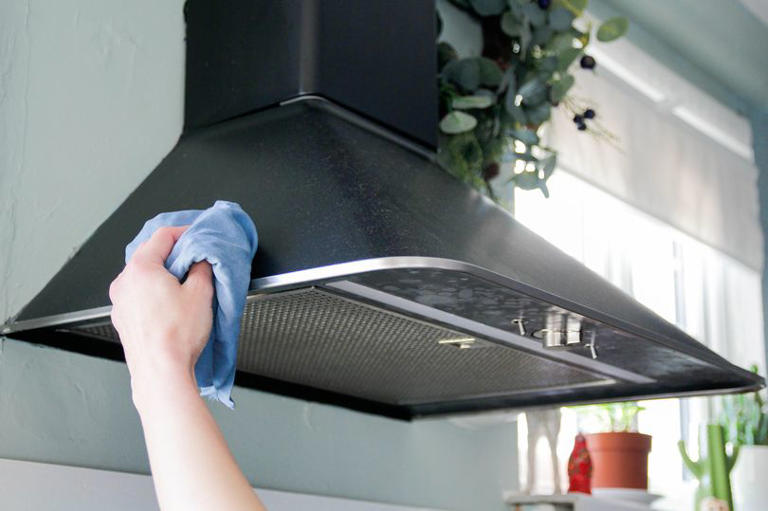
| Vent hood filter | Every 3 months | Wash with hot soapy water |
Wash And Sanitize Dishes
Cleaning dishes is important to keep your kitchen safe and tidy. Washing and sanitizing remove food and germs.
Follow clear steps to clean dishes well. This protects your health and helps your kitchen look good.
Proper Dishwashing Techniques
Use hot water and soap to wash dishes. Scrub all surfaces to remove food and grease. Rinse dishes with clean water.
- Scrape leftover food into the trash.
- Soak dishes if food is stuck.
- Wash dishes in hot, soapy water.
- Use a clean brush or sponge for scrubbing.
- Rinse with hot water to remove soap.
- Sanitize dishes by soaking in a mild bleach solution or using a dishwasher sanitizer.
Drying And Storing
Dry dishes completely before storing. Use a clean towel or air dry on a rack. Wet dishes can grow bacteria quickly.
| Drying Method | Details |
|---|---|
| Air Dry | Place dishes on a rack. Let air dry fully before putting away. |
| Towel Dry | Use a clean, dry towel. Avoid damp or dirty towels. |
| Storage | Store dishes in a clean, dry cabinet. Avoid stacking wet dishes. |
Maintain Sink And Drain
Keeping the kitchen sink and drain clean is important for hygiene and preventing bad smells. A clean sink makes the kitchen look fresh and works better.
Regular care helps avoid clogs and keeps water flowing smoothly. It also stops germs from growing in the sink area.
Cleaning The Sink Basin
Wash the sink basin daily with warm water and mild soap. Use a soft sponge to remove food scraps and stains.
For tougher stains, use baking soda and vinegar. Let it sit for a few minutes, then scrub gently and rinse well.
- Rinse sink after each use
- Use non-abrasive cleaners
- Dry the basin to avoid water spots
- Clean faucet and handles regularly
Preventing Drain Clogs
Stop food and grease from going down the drain. These cause blockages and slow drainage.
Use a drain strainer to catch scraps. Empty it into the trash after each use.
- Do not pour grease or oil down the drain
- Avoid washing large food pieces in the sink
- Flush the drain with hot water weekly
- Use baking soda and vinegar to clean the drain monthly
Credit: www.tasteofhome.com
Take Out Trash Regularly
Keeping your kitchen clean means taking out the trash often. Trash can cause bad smells and germs. Emptying it regularly keeps the space fresh and safe.
Trash left too long can attract pests. Taking it out stops this problem. It also makes cleaning easier and faster.
Handling Food Waste
Food waste should be removed from the kitchen quickly. Rotten food can spread bacteria and odors. Use a sealed bin to keep smells inside.
Clean the bin often to stop germs from growing. Composting food scraps is a good way to reduce waste if possible.
- Use a trash bin with a lid
- Empty food waste daily
- Rinse containers before tossing
- Compost fruit and vegetable scraps
Managing Recycling
Recycling helps reduce trash and saves resources. Sort bottles, cans, and paper separately from regular trash. This keeps the kitchen cleaner.
Make sure recyclables are clean and dry before placing them in bins. Label bins clearly to avoid mistakes and keep the process smooth.
- Use separate bins for recycling
- Clean recyclables before disposal
- Label bins clearly
- Empty recycling bins regularly
Establish A Cleaning Routine
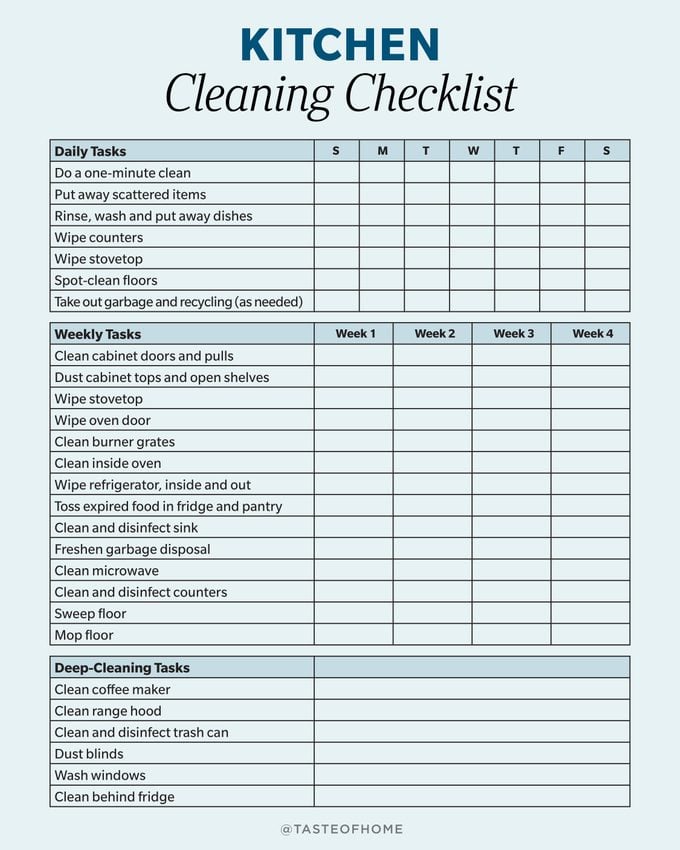
Keeping your kitchen clean helps keep your home healthy and safe. A cleaning routine makes the task easier and faster.
Doing small tasks every day stops dirt from building up. Deeper cleaning once a week keeps everything fresh and working well.
Daily Tasks
Daily cleaning helps keep your kitchen neat and prevents germs. These simple tasks take just a few minutes.
- Wipe down countertops and stove after use
- Wash dishes or load the dishwasher
- Sweep the kitchen floor to remove crumbs
- Take out the trash when full
- Clean spills immediately to avoid stains
Weekly Deep Cleaning
Once a week, spend extra time cleaning parts of the kitchen that need more care. This keeps your kitchen fresh and safe.
| Area | Cleaning Task |
| Refrigerator | Throw out old food and wipe shelves |
| Oven and Microwave | Clean inside and outside to remove food stains |
| Cabinets and Drawers | Wipe handles and clean inside if needed |
| Floors | Mop to remove sticky or hard dirt |
| Sink and Faucets | Scrub to remove stains and prevent buildup |

Credit: www.delish.com
Frequently Asked Questions
What Is The First Step When Cleaning A Kitchen?
Always start by clearing countertops and removing clutter. This creates space for effective cleaning and prevents cross-contamination.
How Often Should Kitchen Surfaces Be Disinfected?
Disinfect kitchen surfaces daily, especially after food preparation. This helps eliminate germs and keeps your kitchen hygienic.
Why Is It Important To Clean Kitchen Sponges Regularly?
Kitchen sponges harbor bacteria quickly. Clean or replace them often to prevent spreading germs and maintain a sanitary kitchen.
What Should You Always Do With Kitchen Trash?
Empty kitchen trash regularly to avoid odors and bacteria buildup. Use sealed bags and clean bins frequently.
Conclusion
Keeping the kitchen clean makes cooking safer and easier. Always wash your hands before and after handling food. Clean surfaces regularly to stop germs from spreading. Use fresh cloths or sponges to avoid bacteria buildup. Don’t forget to empty the trash often.
Organize items to find them quickly. Small daily steps lead to a tidy kitchen. A clean kitchen feels good and helps your health. Stay consistent, and cleaning becomes simple and quick.