
Are you wondering if your shiny stainless steel cookware can safely go in the dishwasher? You’re not alone.
Many people face the same question because caring for your cookware the right way keeps it looking great and lasting longer. Imagine avoiding costly damage or dull spots just by knowing the best cleaning method. You’ll discover clear answers and practical tips that help you protect your cookware and make your kitchen routine easier.
Keep reading to find out if your stainless steel pots and pans are truly dishwasher safe.
Stainless Steel Cookware Basics
Stainless steel cookware is popular in many kitchens. It is known for its strength and shiny look.
This type of cookware heats evenly and lasts a long time. Many people wonder if it is safe to clean in a dishwasher.
Material Composition
Stainless steel cookware is made from iron mixed with other metals. These metals include chromium and sometimes nickel.
Chromium helps stop rust and adds shine. Nickel makes the steel stronger and more resistant to stains.
- Iron is the main metal in stainless steel
- Chromium prevents rust and corrosion
- Nickel adds strength and shine
- Other metals may be added for different effects
Types Of Stainless Steel Cookware
There are different grades of stainless steel used in cookware. Each grade has a different mix of metals.
Cookware also comes with different layers to improve heating. Some have an aluminum or copper core inside.
- Type 304: Common, contains nickel, very durable
- Type 18/10: Popular grade, 18% chromium, 10% nickel
- Type 18/8: Similar to 18/10 but less nickel
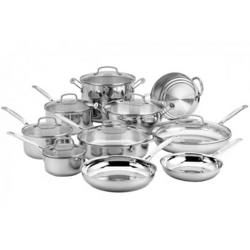
- Clad cookware: Layers of stainless steel with aluminum or copper core
Credit: www.surlatable.com
Dishwasher Safety Factors
Stainless steel cookware is popular for its durability and shiny look. Many people wonder if it is safe to clean in the dishwasher. Several factors affect how well stainless steel holds up in a dishwasher.
Understanding these factors helps keep your cookware in good shape. The main points to think about are heat and detergent effects, and water quality impact.
Heat And Detergent Effects
Dishwashers use hot water and strong detergents to clean dishes. These can affect stainless steel cookware over time. High heat may cause discoloration or warping if the cookware is thin.
Detergents with harsh chemicals can dull the shine or cause spots. Some detergents contain chlorine or bleach, which may damage the surface.
- Use mild detergents to protect the finish
- Avoid very high heat settings
- Check if the cookware is dishwasher safe by the maker
Water Quality Impact
The quality of water in your dishwasher also matters. Hard water has minerals like calcium and magnesium. These minerals can leave spots or stains on stainless steel.
Soft water is better for cleaning because it leaves fewer residues. Using a rinse aid can help reduce water spots and keep cookware shiny.
- Hard water may cause mineral buildup
- Soft water helps keep cookware clean
- Rinse aids reduce spotting and streaks
Pros Of Dishwasher Cleaning
Stainless steel cookware is popular for its durability and style. Many people wonder if it is safe to clean it in a dishwasher.
Using a dishwasher can offer several benefits that help with cleaning and maintaining your cookware.
Convenience And Time Saving
Putting stainless steel cookware in the dishwasher saves time. You do not need to scrub or wash by hand.
This is helpful when you have many dishes or a busy schedule. You just load the dishwasher and start it.
- Less effort needed for cleaning
- Frees up time for other tasks
- Works well for large pots and pans
Sanitization Benefits
Dishwashers use very hot water that kills germs. This helps keep your cookware clean and safe to use.
High temperatures reach places hard to clean by hand. This reduces bacteria and other harmful microbes.
- Hot water removes more germs
- Ensures thorough cleaning
- Better for health and hygiene

Credit: www.amazon.ca
Cons Of Dishwasher Cleaning
Dishwasher cleaning can seem easy for stainless steel cookware. It saves time and effort. Still, there are some downsides to consider before using this method.
Dishwashers use strong detergents and high heat. These factors can harm your cookware over time. Understanding the cons helps you keep your pots and pans in good shape.
Potential For Discoloration
Stainless steel can lose its shine after dishwasher use. The detergents and heat cause stains or a dull finish. This discoloration can make your cookware look old and worn out.
- Detergents may leave white spots or streaks.
- High heat can cause a rainbow-like tint on the surface.
- Repeated dishwasher cycles worsen discoloration.
- Hand washing helps keep the original shine longer.
Damage To Finish And Handles
Dishwasher cleaning can harm the finish and handles of cookware. The harsh environment inside may cause chips, rust, or loosening of parts.
| Type of Damage | Cause | Effect |
| Finish Damage | Abrasive detergents and water pressure | Scratches, dullness, and loss of protective coating |
| Handle Damage | Heat and moisture | Loosening screws, warping, or discoloration |
| Rust Spots | Water trapped in crevices | Rust formation and corrosion |
Manufacturer Guidelines
Stainless steel cookware often comes with instructions on dishwasher use. These guidelines help keep your pots and pans in good condition. Following them can extend the life of your cookware.
Always check the manufacturer’s recommendations before placing stainless steel cookware in the dishwasher. Some types are dishwasher safe, while others need hand washing.
Common Recommendations
Most manufacturers suggest some common practices for cleaning stainless steel cookware. These tips help avoid damage and keep the surface shiny.
- Use mild detergent to avoid harsh chemicals.
- Place cookware securely to prevent banging against other items.
- Do not overload the dishwasher to ensure proper cleaning.
- Dry cookware promptly after the cycle to avoid water spots.
- Check for special coatings that may require hand washing.
When To Avoid Dishwasher Use
There are cases when manufacturers advise against using the dishwasher. These warnings help prevent damage to your cookware.
| Condition | Reason to Avoid Dishwasher |
| Non-stick coating | Dishwasher can wear off the coating quickly. |
| Wood or plastic handles | Heat and water can crack or warp handles. |
| Heavy stains or burnt food | Dishwasher may not clean well; hand washing is better. |
| Old or damaged cookware | Dishwasher may worsen existing damage. |
Credit: www.cookwarejx.com
Hand Washing Tips
Stainless steel cookware often needs hand washing for best care.
Using the right washing techniques keeps your pots and pans shiny.
Effective Cleaning Methods
Use warm water and mild dish soap to clean stainless steel cookware.
- Soak cookware in warm soapy water for a few minutes.
- Use a soft sponge or cloth to scrub gently.
- Avoid steel wool or harsh scrubbers that can scratch the surface.
- Rinse thoroughly with clean water to remove soap residue.
- Dry immediately with a soft towel to prevent water spots.
Maintenance For Longevity
Proper maintenance helps your cookware last for many years.
| Maintenance Tip | Details |
| Remove Stains | Use a paste of baking soda and water to scrub stains gently. |
| Polish Regularly | Use a stainless steel cleaner or vinegar to keep shine. |
| Store Properly | Keep cookware dry and avoid stacking without protection. |
| Avoid High Heat | Use medium heat to prevent warping and discoloration. |
Signs Of Dishwasher Damage
Stainless steel cookware can look great for years. But dishwashers may cause damage over time. It is important to spot signs early.
This helps protect your pots and pans. Watch for rust spots, warping, and pitting after using a dishwasher.
Rust Spots
Rust spots can appear on stainless steel after dishwasher use. These spots show metal is breaking down. They look like small orange or brown dots.
- Rust often starts near scratches or dents.
- Harsh dishwasher detergents can wear the protective layer.
- Leaving cookware wet in the dishwasher increases rust risk.
- Rust spots can spread if not cleaned quickly.
Warping And Pitting
Warping means the cookware changes shape and does not sit flat. Pitting shows as tiny holes or rough areas on the surface. Both can happen from dishwasher heat and chemicals.
| Damage Type | Cause | Effect |
| Warping | High dishwasher heat | Cookware bends or curves |
| Pitting | Abrasive detergents and minerals | Small holes damage surface |
| Both | Repeated dishwasher cycles | Shortened cookware life |
Expert Advice Summary
Stainless steel cookware is popular for its durability and style. Many wonder if it is safe to clean them in a dishwasher.
Using a dishwasher can save time but may affect the cookware’s finish and performance. Knowing the right care helps keep your pots and pans in good shape.
Best Practices
Stainless steel cookware is generally dishwasher safe. Most manufacturers say it can handle dishwasher cleaning without damage.
Still, it is best to rinse off food residues before placing the cookware in the dishwasher. This stops food from sticking and keeps your dishwasher clean.
- Use mild dishwasher detergent
- Place items carefully to avoid scratches
- Do not overload the dishwasher
- Choose a gentle wash cycle
When To Choose Hand Washing
Some stainless steel cookware pieces need hand washing. This protects the finish and extends their life.
Hand wash cookware that has special coatings or decorative details. Also wash by hand if the cookware shows signs of wear or discoloration.
- Cookware with non-stick or ceramic layers
- Items with wooden or plastic handles
- Cookware with stains or discoloration
- Expensive or heirloom pieces
Frequently Asked Questions
Is All Stainless Steel Cookware Dishwasher Safe?
Not all stainless steel cookware is dishwasher safe. Check the manufacturer’s instructions to confirm. Some finishes or handles may be damaged by dishwasher detergents or heat.
Will Dishwasher Damage Stainless Steel Cookware Finish?
Dishwasher detergents and high heat can dull or discolor stainless steel finishes over time. Hand washing helps maintain shine and appearance longer.
Can Dishwasher Harm Stainless Steel Cookware Handles?
Yes, plastic or wooden handles on stainless steel cookware can crack or warp in dishwashers. Always verify handle material before dishwasher use.
How To Clean Stainless Steel Cookware In Dishwasher?
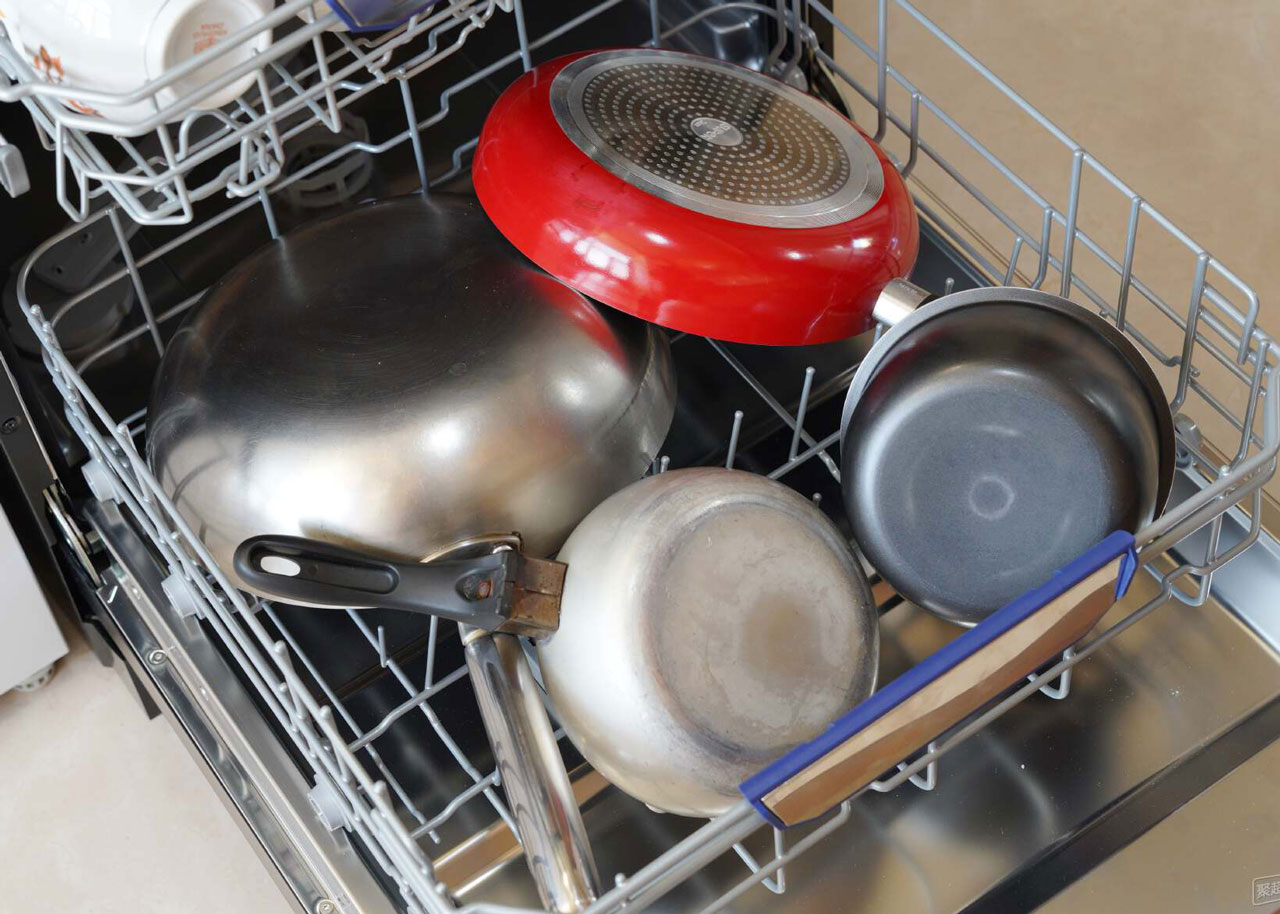
Place cookware on the top rack away from heating elements. Use mild detergent and avoid overcrowding to prevent scratches.
Conclusion
Stainless steel cookware can usually go in the dishwasher. But, some types may lose shine or get spots. Hand washing keeps your pans looking new longer. Avoid harsh detergents and high heat cycles in dishwashers. Check the manufacturer’s guide for the best care tips.
Taking simple steps helps your cookware last and stay safe. Clean pots and pans mean better meals every time. So, choose the right cleaning method that fits your kitchen. Easy care brings happy cooking days ahead.