Is your kitchen drain draining slower than it should? A slow drain can turn simple tasks into frustrating chores, making your daily routine harder than it needs to be.
You don’t have to live with that annoying drip or clog. You’ll discover easy and effective ways to clean out your slow kitchen drain. These tips use common household items and simple methods that actually work. Keep reading, and you’ll learn how to get your drain flowing smoothly again—fast and hassle-free.
Common Causes Of Slow Kitchen Drains
Slow kitchen drains are a common household problem. They can cause water to drain slowly or even stop completely.
Understanding what causes slow drains helps in fixing them faster. It also prevents future blockages.
Grease And Fat Buildup
Grease and fat from cooking can harden inside pipes. This buildup narrows the drain and slows water flow.
- Oils from fried foods
- Butter and margarine
- Fatty meat juices
- Dairy products like cheese
Food Particles And Debris
Small bits of food often go down the drain. Over time, they gather and block pipes.
| Common Food Particles | How They Affect Drains |
|---|---|
| Rice and pasta | Swell and stick to pipe walls |
| Vegetable peels | Clog pipes and traps |
| Coffee grounds | Form thick layers inside pipes |
| Eggshells | Break into sharp pieces that trap debris |
Soap Scum And Mineral Deposits
Soap and hard water minerals create a sticky layer inside drains. This layer catches dirt and slows water flow.
Common sources include:
- Soap bars and liquid soap residue
- Calcium and magnesium deposits from hard water
- Detergent buildup from washing dishes

Credit: www.ars.com
Diy Cleaning Methods
Slow kitchen drains can cause water to pool and food to smell. Cleaning them often helps to fix the problem.
These simple DIY methods use common household items to clear slow drains safely and cheaply.
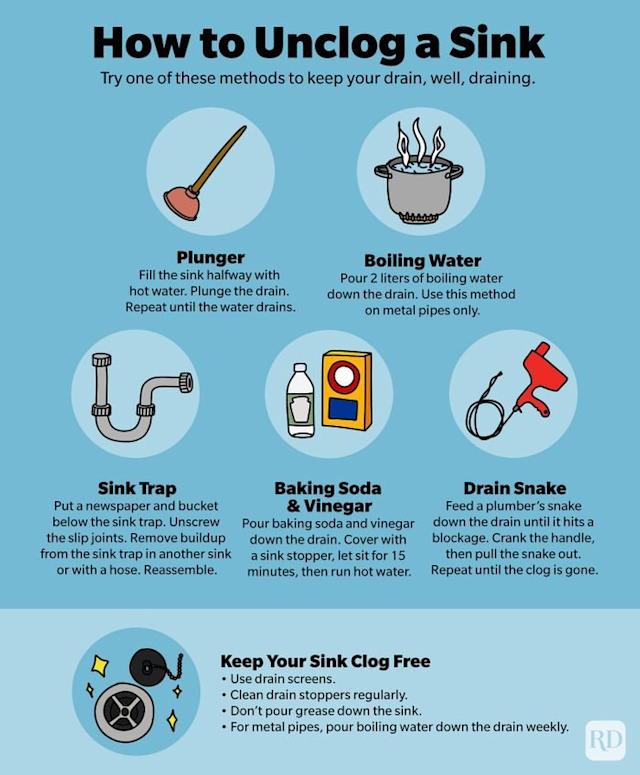
Boiling Water Flush
Boiling water helps dissolve grease and soap build-up in your drain. It is an easy first step to try.
Pour boiling water slowly down the drain in stages. Wait a few seconds between each pour.
Baking Soda And Vinegar
Baking soda and vinegar create a fizzy reaction that can break down grime and clear blockages.
First, pour half a cup of baking soda into the drain. Then add half a cup of vinegar. Let it sit for 15-20 minutes.
- Pour boiling water after the wait time to flush the drain.
- Repeat if the drain is still slow.
Salt And Hot Water Mix
Salt can help scrub away grease inside the pipes. When combined with hot water, it clears slow drains effectively.
Mix half a cup of salt with one liter of hot water. Pour this mix slowly into the drain. Let it sit for about 15 minutes.
Flush the drain with more hot water to wash away loosened debris.
Using Household Tools
Slow kitchen drains can cause water to back up and create unpleasant odors. You do not always need to call a plumber. Simple household tools can often clear the blockage.
These common tools are easy to find and use. They help push or pull out the debris that clogs the drain. Below are three useful methods you can try at home.
Plunger Techniques
A plunger creates pressure to push blockages through the drain pipe. It works best for minor clogs caused by food scraps or grease.
- Fill the sink with enough water to cover the plunger cup.
- Place the plunger over the drain opening and press firmly.
- Push and pull the plunger quickly several times to create suction.
- Remove the plunger to see if the water drains faster.
- Repeat if needed, but avoid using excessive force.
Drain Snake Or Auger
A drain snake is a long, flexible tool that reaches deep into pipes. It can break up or pull out tough clogs that plungers cannot clear.
| Tool | Use | Tip |
|---|---|---|
| Drain Snake | Insert and twist inside drain | Turn clockwise to catch debris |
| Hand Auger | Feed cable into drain and crank handle | Use slow, steady pressure |
After using a snake or auger, run hot water to flush out loosened debris. Clean the tool thoroughly before storing it.
Wire Hanger Trick
If you do not have a drain snake, a straightened wire hanger can work. It can reach blockages near the drain opening.
- Straighten a wire hanger, leaving a small hook at one end.
- Slowly push the hooked end into the drain.
- Twist and pull to catch hair and debris.
- Remove the clog carefully to avoid pushing it further down.
- Flush with hot water after clearing the drain.

Credit: drano.com
Chemical Cleaners
Chemical cleaners are common for fixing slow kitchen drains. They break down clogs fast.
These cleaners come in many types. Each works differently to clear blockages.
Types Of Drain Cleaners
Drain cleaners can be acidic, alkaline, or enzymatic. Each type suits different clog causes.
- Acidic Cleaners:Use strong acids to dissolve grease and hair.
- Alkaline Cleaners:Contain lye to break down fats and oils.
- Enzymatic Cleaners:Use natural enzymes to eat organic waste slowly.
Safety Precautions
Chemical cleaners are powerful and can be dangerous. Use them carefully to avoid harm.
- Wear gloves and eye protection before use.
- Read and follow label instructions exactly.
- Do not mix different chemical cleaners.
- Keep cleaners away from children and pets.
- Ventilate the area well while using chemicals.
Environmental Considerations
| Type | Environmental Impact | Disposal Tips |
|---|---|---|
| Acidic Cleaners | Can harm water life if poured down drains often. | Use sparingly and avoid frequent use. |
| Alkaline Cleaners | May affect soil and waterways negatively. | Follow disposal instructions carefully. |
| Enzymatic Cleaners | Biodegradable and safer for environment. | Preferred for regular drain maintenance. |
Preventive Measures
Slow kitchen drains can cause many problems. Taking simple steps can keep your drain clean and flowing well. Preventing clogs is easier than fixing them.
Use these preventive measures to avoid slow drains and costly repairs. Regular care helps your kitchen stay clean and safe.
Proper Waste Disposal
Throwing the wrong things down the drain causes clogs. Food scraps and grease build up inside pipes. Follow good habits to keep drains clear.
- Do not pour grease, oil, or fat down the drain.
- Use a compost bin for food scraps like vegetable peels.
- Throw coffee grounds and eggshells in the trash.
- Avoid flushing large amounts of starches like rice or pasta.
- Scrape plates before washing to remove leftover food.
Regular Maintenance Tips
Keeping your drain clean takes regular work. Simple actions can stop slow drainage and bad smells. Follow these tips every few weeks.
- Flush drains with hot water to dissolve grease.
- Use a natural drain cleaner made from baking soda and vinegar.
- Run your garbage disposal with cold water to clear debris.
- Check under the sink for leaks or moisture buildup.
- Clear the drain trap by removing it and cleaning it out.
Installing Drain Screens
Drain screens catch food and debris before they enter pipes. They are easy to install and clean. Using screens reduces clogs and keeps drains working well.
| Type of Drain Screen | Material | Benefits | Cleaning Tips |
| Mesh Screen | Stainless Steel | Durable, fine holes catch small particles | Rinse under water, scrub gently weekly |
| Silicone Cover | Silicone | Flexible, fits many sink sizes | Wash with soap and water regularly |
| Plastic Strainer | Plastic | Lightweight, affordable | Remove debris and rinse after use |
.webp%3Fh%3D990%26iar%3D0%26w%3D1760&w=3840&q=75&dpl=dpl_9nLwo7DKs6gWmGEmHy5VB9pD17zq)
Credit: drano.com
When To Call A Professional
Slow kitchen drains can be annoying and messy. You might try fixing them yourself first.
Sometimes, the problem is too big for DIY methods. Knowing when to call a plumber saves time and damage.
Signs Of Severe Blockage
Some signs mean the blockage is serious and needs a professional. Watch out for these symptoms:
- Water backs up even after using a plunger
- Unpleasant smells come from the drain
- Drainage is very slow or stops completely
- Multiple sinks or appliances drain slowly
- Gurgling noises from the pipes
Risks Of Diy Failures
Trying to fix a kitchen drain without skills can cause more harm. Some risks include:
| Risk | Description |
| Pipe Damage | Harsh tools or chemicals can crack pipes. |
| Incomplete Cleaning | Blockage may return if not fully cleared. |
| Health Hazards | Exposure to bacteria and harmful chemicals. |
| Costly Repairs | Damage may lead to expensive fixes later. |
Choosing The Right Plumber
Picking a skilled plumber helps fix your drain safely. Consider these factors:
- Check licenses and insurance
- Read customer reviews
- Ask about experience with kitchen drains
- Request a cost estimate before work
- Look for guarantees on services
Frequently Asked Questions
What Natural Remedies Unclog Slow Kitchen Drains Effectively?
Natural remedies like baking soda and vinegar can clear slow drains. Pour half a cup of baking soda, then vinegar. Let it fizz for 15 minutes. Flush with hot water to remove grime and restore flow.
How Does Boiling Water Help With Slow Kitchen Drains?
Boiling water melts grease and soap buildup in pipes. Pouring boiling water slowly down the drain helps clear blockages. Repeat regularly to prevent clogs and maintain smooth drainage.
Can A Mixture Of Baking Soda And Vinegar Clean Drains?
Yes, baking soda and vinegar create a fizzing reaction that loosens debris. This natural combo breaks down grime inside pipes. It’s safe, eco-friendly, and effective for slow kitchen drains.
When Should I Use Chemical Drain Cleaners?
Use chemical drain cleaners only if natural methods fail. They can damage pipes if overused. Follow instructions carefully and wear protective gear when handling chemicals.
Conclusion
Cleaning a slow kitchen drain does not need to be hard. Using simple tools and natural ingredients often works best. Regular care keeps water flowing and stops clogs. Avoid harsh chemicals to protect your pipes and family. A little effort now saves big problems later.
Try these easy tips and enjoy a cleaner, faster drain. Keep your kitchen running smoothly with simple, smart habits.