Are you struggling to find space in your kitchen because you don’t have upper cabinets? You’re not alone, and the good news is that a lack of upper cabinets doesn’t mean your kitchen has to feel cluttered or disorganized.
Imagine a kitchen where everything you need is easy to reach, clean, and beautifully arranged. That’s exactly what you’ll discover here. Keep reading, and you’ll learn simple, practical ways to organize your kitchen so it feels bigger, works better, and looks amazing—all without those bulky upper cabinets.
Your perfect kitchen setup is closer than you think.
Credit: www.bertch.com
Assessing Your Kitchen Space
Organizing a kitchen without upper cabinets can be a challenge. It is important to understand your space well.
Assessing your kitchen space helps you find the best storage options. It also keeps your kitchen functional and neat.
Measuring Available Wall Area
Start by measuring the length and height of your walls. Note any windows, doors, or appliances that reduce space.
Accurate measurements help you plan shelves or other storage solutions that fit perfectly.
- Measure total wall length in feet or meters
- Note wall height from countertop to ceiling
- Mark locations of windows and doors
- Account for appliances like stoves or refrigerators
Identifying Storage Needs
Think about what items you need to store in your kitchen. This includes dishes, pots, pans, and food.
Knowing your storage needs helps you choose the right containers and shelves. It also prevents clutter.
- List daily use items for easy access
- Group items by size and frequency of use
- Decide if you need space for small appliances
- Consider storing dry goods and spices separately
Considering Kitchen Layout
Look at how your kitchen is arranged. This includes counters, sink, stove, and walking paths.
Your layout affects where you can add storage. Choose spots that do not block movement or work areas.
- Identify open wall spaces near work areas
- Check for corners that can hold shelves or racks
- Keep storage within easy reach of cooking zones
- Leave space for opening cabinet doors and appliances
Maximizing Lower Cabinets
Organizing a kitchen without upper cabinets can be a challenge. Using lower cabinets well helps keep your kitchen tidy and easy to use.
Lower cabinets offer more space than you might think. You can use smart tools to store pots, pans, and other items neatly.
Using Pull-out Drawers
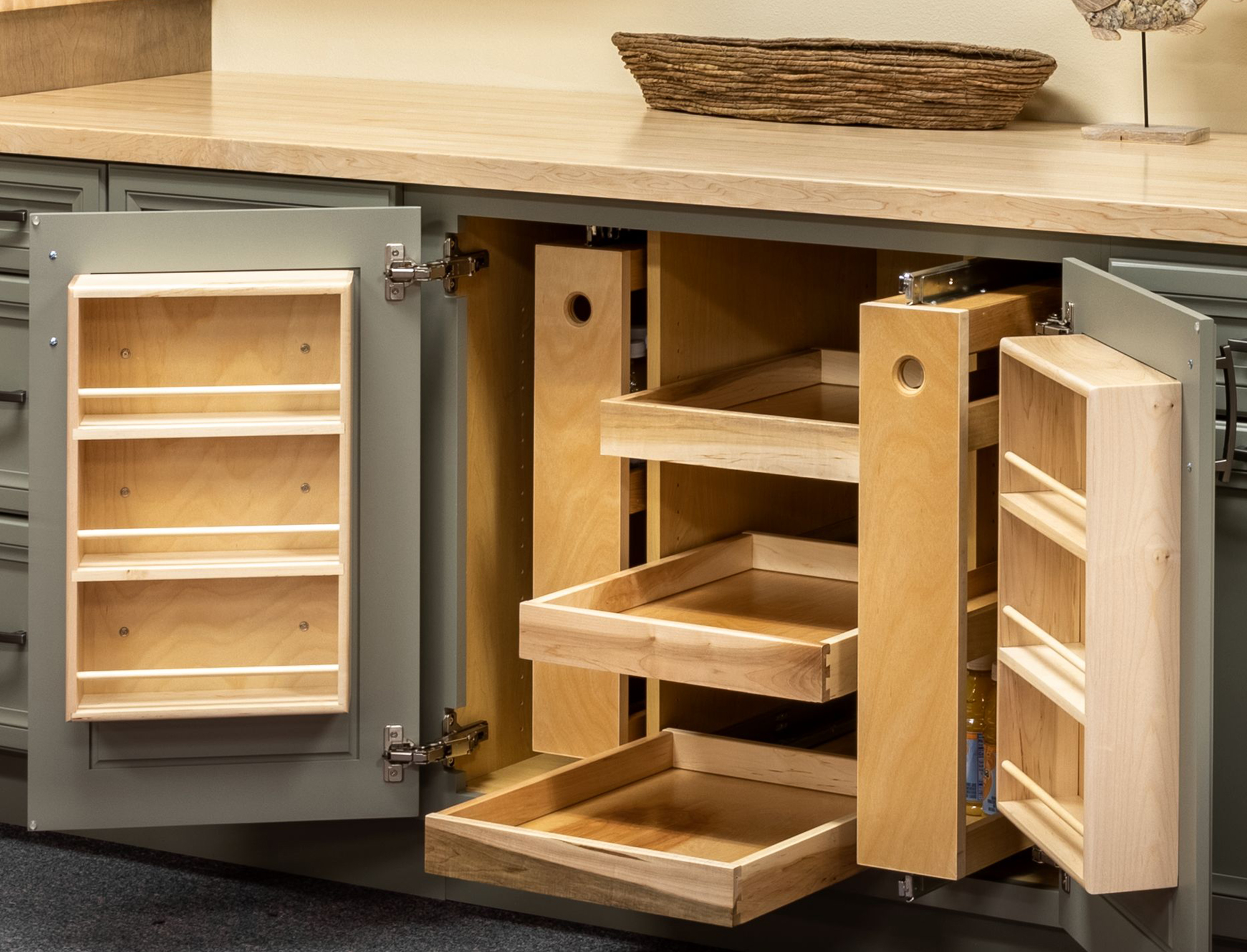
Pull-out drawers make it easy to reach items stored deep inside lower cabinets. They slide out smoothly, so you do not have to bend or reach far.
These drawers help you see everything at once. You can store pots, pans, and even food containers in them.
- Choose drawers with soft-close features for quiet use
- Use shallow drawers for utensils and small items
- Deep drawers work well for large pots and pans
Incorporating Vertical Dividers
Vertical dividers help keep baking sheets, cutting boards, and trays upright. This saves space and makes items easy to grab.
Adding dividers inside lower cabinets keeps things organized. It stops items from falling over or stacking messily.
- Use wood or metal dividers to fit your cabinet size
- Place dividers near the front for easy access
- Group similar items together for quick finding
Installing Lazy Susans
Lazy Susans are rotating shelves inside lower cabinets. They help you reach items in deep corners without digging through clutter.
They work well for spices, cans, and small kitchen tools. You turn the shelf to find what you need quickly.
- Choose a size that fits your cabinet space
- Place heavier items near the center for balance
- Use clear containers on the Lazy Susan for easy viewing
Open Shelving Solutions
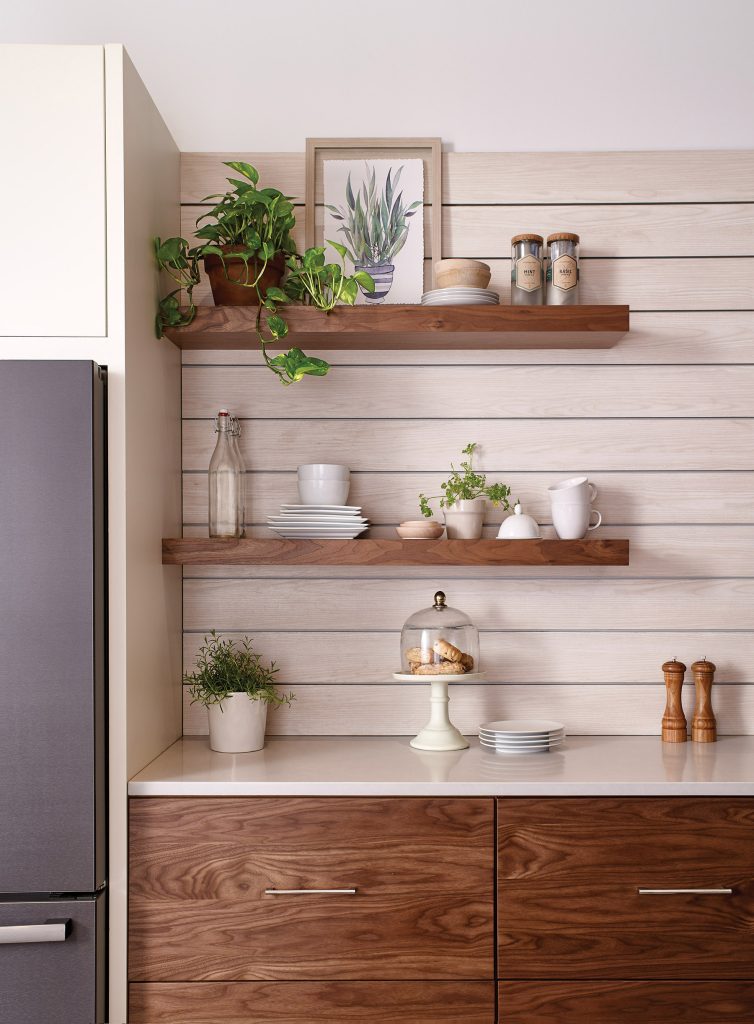
Open shelving is a smart way to organize your kitchen without upper cabinets. It keeps your kitchen light and airy while giving easy access to everyday items.
You can use open shelves to display dishes, glasses, and even decorative pieces. This style fits many kitchen designs and helps save space.
Choosing Durable Materials
Choose materials that can hold heavy kitchen items and resist moisture. Wood, metal, and glass are popular choices for open shelving.
Look for materials that are easy to clean and match your kitchen style. Strong brackets and anchors will keep shelves safe and steady.
- Solid hardwood for a natural look
- Powder-coated metal for a modern feel
- Tempered glass for light and elegance
- Water-resistant finishes to prevent damage
Arranging Items For Accessibility
Place the items you use most often on shelves that are easy to reach. Keep heavier items on lower shelves to avoid accidents.
Group similar items together to find things quickly. Use baskets or containers to keep small items neat and tidy.
- Everyday dishes on middle shelves
- Rarely used items on higher shelves
- Heavy pots and pans on lower shelves
- Use clear containers for small items
Decorative Storage Ideas
Open shelves let you show off your kitchen style. Use decorative jars, colorful dishes, and plants to add charm.
Mix functional storage with decorative pieces to keep shelves attractive and useful. Balance is key to avoid clutter.
- Glass jars for dry goods
- Woven baskets for utensils
- Colorful plates and bowls
- Small potted herbs or plants
Credit: www.bertch.com
Utilizing Wall Space
Organizing a kitchen without upper cabinets can feel tricky. Using wall space well helps keep your kitchen neat.
Walls offer many chances to store items smartly. You can hang, attach, or mount things to free up counters.
Installing Magnetic Strips
Magnetic strips hold metal kitchen tools like knives and scissors. They keep these items easy to reach.
Mount strips on empty walls or near your cooking area. This keeps sharp tools off counters and safe.
- Choose strong magnetic strips for heavier items
- Keep strips away from children’s reach
- Clean strips regularly to avoid dust build-up
Hanging Pot Racks
Pot racks let you hang pots and pans on walls. This frees cabinet space and adds style to your kitchen.
Pick racks that fit your kitchen size. Install them securely to hold heavy cookware safely.
- Use hooks for easy hanging and removing
- Arrange pots by size for quick use
- Keep racks near the stove for convenience
Using Pegboards
Pegboards let you customize wall storage with hooks and shelves. They store many kitchen tools in one place.
Mount a pegboard on a free wall. Move hooks to fit items like utensils, cutting boards, and small pots.
- Choose pegboards with sturdy material
- Use different hook sizes for various tools
- Paint pegboard to match your kitchen decor
Smart Storage Accessories
Organizing a kitchen without upper cabinets can be tricky. Smart storage accessories help use space well and keep things tidy.
These tools fit into small or unusual spaces. They make your kitchen more functional without needing wall cabinets.
Stackable Containers
Stackable containers save counter and shelf space. You can store dry goods and leftovers neatly. Clear containers help find items fast.
- Choose containers with airtight lids to keep food fresh.
- Use different sizes to fit various items.
- Label containers for easy identification.
- Stack containers vertically to maximize space.
Under-shelf Baskets
Under-shelf baskets hang below existing shelves. They add extra storage without extra furniture. Use them for small items like spices or snacks.
| Type | Best Use |
| Wire Basket | Holds fruits, vegetables, or small jars |
| Mesh Basket | Good for bread or packaged snacks |
| Plastic Basket | Easy to clean, stores utensils or napkins |
Corner Organizers
Corner organizers use hard-to-reach corners well. They keep pots, pans, or cleaning supplies tidy. Lazy Susans turn items for easy access.
- Use rotating trays to reach all items easily.
- Install tiered shelves to separate different kitchen tools.
- Choose adjustable organizers for various corner sizes.
Credit: www.usacabinetstore.com
Multi-functional Furniture
Organizing a kitchen without upper cabinets needs smart furniture choices. Multi-functional furniture helps save space and keep things tidy.
These pieces offer storage and work surfaces in one. They make the kitchen more useful and neat.
Kitchen Islands With Storage
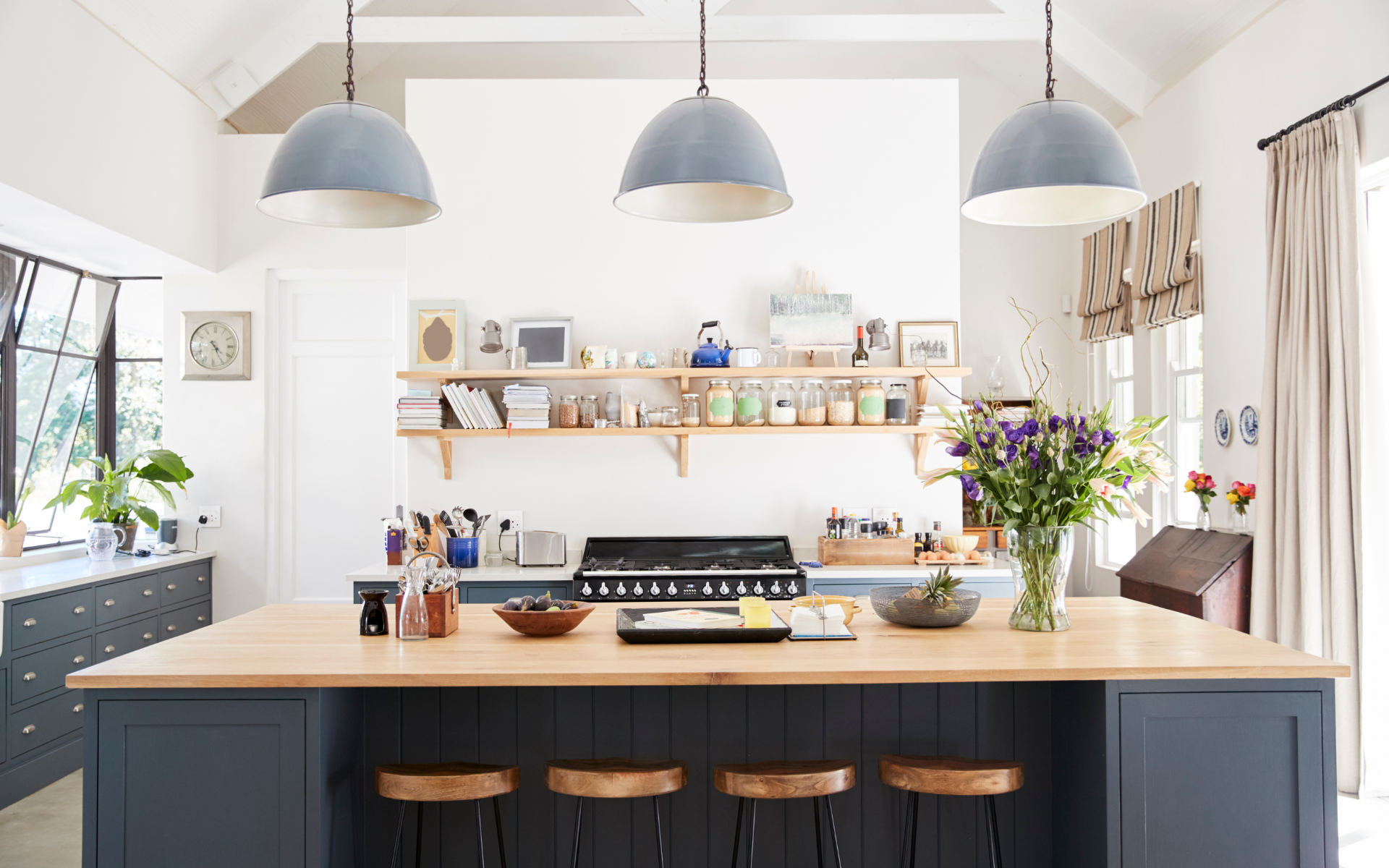
Kitchen islands add extra counters and storage space. They are perfect for kitchens without upper cabinets.
Look for islands with shelves, drawers, or cabinets underneath. These keep pots, pans, and utensils organized.
- Use baskets or bins on open shelves to group items
- Drawers store small tools and kitchen gadgets
- Counters provide extra space for food prep
Mobile Carts
Mobile carts are small, movable pieces with storage options. They add flexibility to kitchen layout and storage.
These carts often have wheels, shelves, and hooks. You can move them where you need more space or work surface.
- Store cutting boards, spices, or small appliances on carts
- Use hooks for hanging towels or utensils
- Push carts aside to free up floor space
Foldable Tables
Foldable tables offer extra workspace when needed. They fold away to save space after use.
These tables suit small kitchens without upper cabinets. They keep counters clear and add storage options.
- Use foldable tables as prep or dining areas
- Choose models with shelves or drawers below
- Fold tables flat against a wall to save room
Maintaining Organization
Keeping a kitchen organized without upper cabinets needs good habits. It helps you find items quickly and keeps the space neat.
Simple routines can make a big difference. Focus on regular cleaning and smart storage to maintain order.
Regular Decluttering
Take time often to remove things you do not use. This frees up space and makes the kitchen easier to keep tidy.
Check your drawers and shelves. Toss expired food and give away unused tools.
- Set a weekly or monthly declutter time
- Sort items into keep, toss, or donate
- Clean surfaces after removing clutter
Labeling Containers
Use labels on jars and boxes to know what is inside. This saves time and stops confusion.
Clear labels help keep things in the right place. They also make restocking easier and faster.
- Label food containers with contents and dates
- Use waterproof labels for durability
- Place labels at eye level for easy reading
Establishing Cleaning Routines
Create a daily and weekly cleaning schedule. This keeps your kitchen fresh and stops mess from building up.
Focus on wiping surfaces and organizing items after cooking. Deep clean shelves and floors regularly.
- Wipe counters and table daily
- Sweep or vacuum floor every few days
- Clean storage areas once a week
Frequently Asked Questions
How Can I Maximize Storage Without Upper Cabinets?
Use open shelves, hooks, and magnetic strips to store items. Utilize vertical space and install under-cabinet racks for extra storage. Choose multi-functional furniture to keep your kitchen organized and clutter-free.
What Are The Best Alternatives To Upper Cabinets?
Open shelving, pegboards, and wall-mounted racks work well. These options provide easy access and showcase your kitchenware stylishly. They also make your kitchen feel more spacious and airy.
How Do I Keep My Kitchen Organized Without Upper Cabinets?
Group similar items together and use clear containers. Label storage bins and regularly declutter to maintain order. Use drawer organizers and pull-out shelves for easy access and neatness.
Can I Use Wall Space Creatively In Kitchens Without Upper Cabinets?
Yes, utilize wall-mounted hooks, magnetic knife strips, and spice racks. Hang pots and pans to save counter space. This keeps essentials within reach and adds decorative elements.
Conclusion
Organizing a kitchen without upper cabinets can be simple and effective. Use open shelves and hooks to save space. Choose storage solutions that fit your style and needs. Keep frequently used items within easy reach. Regularly declutter to maintain order and cleanliness.
Small changes create big differences in kitchen flow. Enjoy a neat, functional kitchen without extra cabinets. Your space can feel open and inviting every day.