
Your restaurant kitchen hood is one of the most important pieces of equipment you rely on every day. But cleaning it the wrong way can cause more harm than good.
Imagine risking a fire, damaging your hood, or even wasting time and money—all because of simple mistakes you didn’t know to avoid. You’ll discover exactly what NOT to do when cleaning your kitchen hood. Keep reading to protect your kitchen, your staff, and your business from costly problems.
Common Hood Cleaning Mistakes
Cleaning your restaurant kitchen hood is important for safety and hygiene. Many make simple mistakes that cause problems later.
Knowing what not to do helps keep your kitchen safe and your hood working well. Avoid these common errors.
Skipping Regular Cleaning
Some restaurant owners skip cleaning the hood often. This leads to grease buildup. Grease can catch fire easily.
Regular cleaning stops grease from stacking up. It also keeps air flowing well. Poor airflow harms kitchen workers and equipment.
- Set a cleaning schedule every few weeks
- Check the hood’s condition after heavy cooking days
- Use professional services if needed
- Keep cleaning logs to track work done
Using Harsh Chemicals
Using strong or wrong chemicals can damage hood parts. It may also leave harmful residues that affect food safety.
| Chemical Type | Potential Risk | Safe Alternative |
| Strong Acids | Corrodes metal parts | Mild degreasers |
| Bleach | Damages filters and paint | Non-toxic cleaners |
| Abrasive Powders | Scratches surfaces | Soft cloths and brushes |
Use chemicals made for kitchen hoods. Always follow safety instructions on labels.
Ignoring Manufacturer Guidelines
Each hood has specific cleaning rules. Ignoring these can void warranties or cause damage.
Follow these tips for manufacturer guidelines:
- Read the user manual before cleaning
- Use recommended cleaning tools and products
- Do not remove parts not meant to be cleaned
- Contact the manufacturer for questions
Risks Of Poor Hood Maintenance
Cleaning the kitchen hood is vital for restaurant safety. Neglecting this task creates many problems.
Poor hood care leads to fire dangers, health issues, and equipment problems. Understanding these risks helps keep kitchens safe.
Fire Hazards
Grease buildup in kitchen hoods can ignite easily. Fires spread fast and cause serious damage.
- Clogged hoods trap heat and grease
- Grease fires are hard to control
- Fire suppression systems may fail if hoods are dirty
- Fire damage can close your restaurant
Health Code Violations
Health inspectors check kitchen hood cleanliness. Dirty hoods can lead to fines and shutdowns.
| Violation Type | Possible Consequences |
| Excessive grease buildup | Fines, required cleaning, or closure |
| Poor ventilation | Health complaints and penalties |
| Blocked filters | Lower air quality, inspection failure |
Reduced Equipment Efficiency
Dirty hoods lower the performance of kitchen equipment. This wastes energy and raises costs.
Here are some effects of poor hood maintenance on equipment:
- Fans work harder and wear out faster
- Motors may overheat and fail
- Cooking appliances take longer to heat
- Energy bills increase due to inefficiency
Safe Cleaning Practices
Cleaning your restaurant kitchen hood is important for safety and hygiene. Doing it the right way keeps your kitchen safe. Avoid common mistakes that can cause accidents or damage.
This guide explains what not to do when cleaning your kitchen hood. Follow safe cleaning practices to protect your staff and equipment.
Proper Cleaning Frequency
Do not wait too long between cleanings. A dirty hood can catch fire or cause bad smells. Clean it often based on your kitchen’s use.
- Do not clean too rarely; grease builds up quickly.
- Do not clean too often with harsh methods that can damage parts.
- Do not ignore signs of grease or smoke from the hood.
- Do not skip professional deep cleaning schedules.
Choosing The Right Cleaning Agents
Avoid using the wrong cleaning products. Some chemicals can harm the hood or create dangerous fumes. Choose cleaners made for kitchen hoods.
| Wrong Cleaning Agent | Risk | Safe Alternative |
| Bleach | Damages metal, creates toxic fumes | Degreaser safe for stainless steel |
| Abrasive cleaners | Scratches surface, weakens hood | Non-abrasive, mild detergent |
| Solvents like paint thinner | Fire hazard, harmful vapors | Water-based grease removers |
Following Safety Protocols
Do not ignore safety rules during cleaning. The kitchen hood has electrical parts and grease. Use correct tools and protective gear.
- Do not clean while the hood is powered on.
- Do not use open flames or sparks near grease.
- Wear gloves and eye protection to avoid injuries.
- Ensure good ventilation to avoid inhaling fumes.
- Follow manufacturer’s instructions for cleaning.
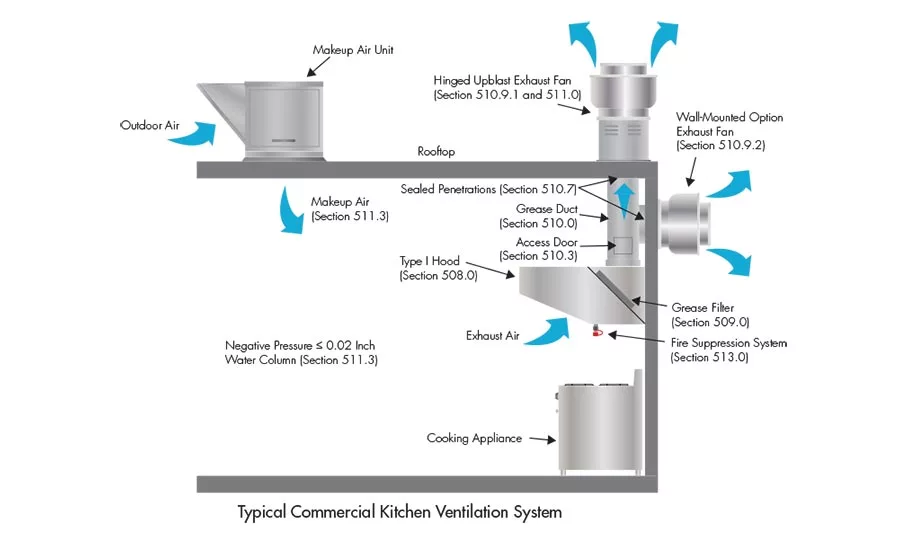
Credit: www.pmmag.com
Common Tools And Products To Avoid
Cleaning a restaurant kitchen hood needs care. Using the wrong tools or products can cause damage.
Some cleaning items look helpful but harm your hood or create safety risks. Learn what to avoid.
Abrasive Scrubbers
Abrasive scrubbers can scratch metal surfaces on your kitchen hood. Scratches trap grease and dirt.
Over time, these scratches cause rust and corrosion, reducing the hood’s lifespan.
- Avoid steel wool pads
- Stay away from rough scouring pads
- Do not use wire brushes on hood surfaces
Flammable Cleaners
Flammable cleaners pose a fire risk in kitchen areas. Kitchen hoods remove heat and flames.
Using flammable products near heat sources can cause dangerous fires or explosions.
- Do not use gasoline or kerosene-based cleaners
- Avoid aerosol sprays with flammable solvents
- Check product labels for flammability warnings
Non-approved Degreasers
Some degreasers can damage the hood’s finish or leave harmful residues. Only use approved cleaners.
Non-approved degreasers may cause corrosion or harm ventilation parts.
- Avoid cleaners not labeled for kitchen hood use
- Do not use harsh acids or alkalis
- Choose degreasers that are safe for stainless steel
Hiring Professional Services
Cleaning a restaurant kitchen hood is a tough and risky job. Hiring professionals makes sure the job is done right and safely.
Experts have the right tools and skills. They help keep your kitchen safe and meet health codes.
When To Call Experts
You should call professionals if you notice heavy grease build-up or smoke coming from your hood. Also, after a long time without cleaning, experts can help prevent fire risks.
- Grease buildup thicker than 1/4 inch
- Smoke or unusual odors during cooking
- After six months without cleaning
- When local health inspectors recommend it
Benefits Of Professional Cleaning
Professional cleaning keeps your kitchen safe and efficient. It lowers fire risk and improves air quality.
| Benefit | Description |
| Fire Safety | Removes grease that can cause fires |
| Compliance | Keeps your kitchen up to code |
| Equipment Life | Prevents damage to hood and fans |
| Air Quality | Reduces smoke and odors |
What To Expect From A Service
Professional cleaning includes inspection, degreasing, and testing. They use special tools to reach all parts of the hood system.
- Initial inspection of the hood and ducts
- Removal of all grease and dirt
- Cleaning of filters and fans
- Final check to ensure safety and function

Credit: jan-pro.com

Credit: totalfood.com
Frequently Asked Questions
What Common Mistakes Harm Kitchen Hood Cleaning?
Avoid using abrasive tools and harsh chemicals. These can damage hood surfaces and filters. Also, never ignore regular cleaning schedules to prevent grease buildup and fire hazards.
Why Avoid Diy Kitchen Hood Cleaning?
Improper cleaning can damage the hood and ventilation system. Professional cleaners use specialized tools and techniques to ensure safety and effectiveness. DIY attempts often miss critical areas or cause costly repairs.
How Often Should Restaurant Hoods Be Cleaned?
Restaurant hoods should be cleaned every 3 to 6 months. High-volume kitchens may require more frequent cleaning. Regular maintenance reduces fire risks and keeps the ventilation system efficient.
Can Harsh Chemicals Damage Kitchen Hoods?
Yes, harsh chemicals can corrode metal surfaces and filters. Use only manufacturer-recommended cleaning solutions to protect the hood’s material and performance. Gentle, degreasing agents are best for safe cleaning.
Conclusion
Cleaning your restaurant kitchen hood needs care and attention. Avoid harsh chemicals that can damage parts. Do not skip regular cleaning schedules. Never ignore safety rules while working on the hood. Using the wrong tools can cause more harm. Keep the area well-ventilated to stay safe.
Regular checks help catch problems early. Stay consistent and careful to keep your kitchen safe. Proper cleaning protects your staff and customers. Simple steps make a big difference over time.