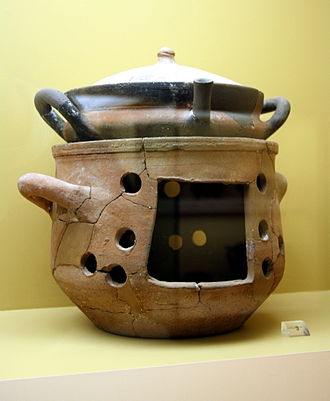
Have you ever wondered when kitchen tools first became more than just simple objects and turned into artifacts that tell stories about our past? Your everyday spatula, knife, or pot holds secrets that reach back thousands of years.
Discovering when kitchen tools were made artifacts can change the way you see your own kitchen. This isn’t just history—it’s a glimpse into human creativity and survival. Keep reading to uncover the fascinating timeline behind these essential items and how they connect you to ancient cultures.
Credit: www.etsy.com
Early Kitchen Tools
Early kitchen tools were simple but essential for daily life. People used these tools to prepare food and survive.
These tools evolved over time, starting from the Stone Age. They show how humans adapted to their environment.
Stone Age Implements
Stone Age people made tools from rocks and bones. They shaped stones to cut, grind, and cook food.
- Flint knives for cutting meat and plants
- Grinding stones to crush grains and seeds
- Bone needles to sew animal skins
- Wooden sticks for stirring and cooking
Materials Used In Ancient Tools
Ancient tools used many natural materials. Each material had a special purpose for kitchen tasks.
| Material | Purpose |
| Stone | Cutting, grinding, and pounding |
| Bone | Needles, hooks, and small tools |
| Wood | Handles, stirring sticks, and containers |
| Clay | Cooking pots and storage jars |

Credit: www.shutterstock.com
Tools In Ancient Civilizations
Kitchen tools have been used for thousands of years. Ancient civilizations created many useful items for cooking and food preparation.
These tools show us how people lived and cooked in the past. Each culture had unique utensils made from available materials.
Egyptian Kitchen Artifacts
Ancient Egyptians used simple tools in their kitchens. They made items from wood, stone, and clay.
Common kitchen artifacts include grinding stones, bowls, and knives. Egyptians also used pottery to store food and liquids.
- Grinding stones for crushing grains
- Clay pots for cooking and storage
- Stone knives for cutting meat and vegetables
- Wooden spoons and ladles
Tools From Mesopotamia
Mesopotamians created many kitchen tools from metal and clay. Their tools helped prepare meals efficiently.
They used metal knives, cooking pots, and baking ovens. These items show early cooking techniques and food storage methods.
- Bronze knives and blades
- Clay cooking pots and jars
- Simple ovens for baking bread
- Strainers made from woven materials
Greek And Roman Utensils
Greeks and Romans had advanced kitchen tools. They used bronze, iron, and ceramics for cooking and serving food.
Common utensils included knives, forks, and cooking pots. They also had tools for baking and food preparation.
- Iron and bronze knives for cutting
- Cooking pots made from metal and clay
- Spoons and forks for eating
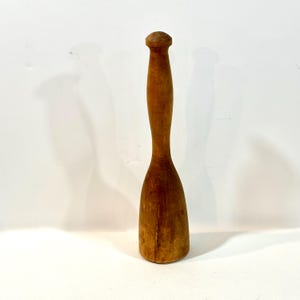
- Mortars and pestles for grinding spices
Medieval Kitchen Instruments
Medieval kitchens used many tools made from metal. These tools helped cooks prepare food for large groups.
Many kitchen instruments were simple but strong. They were made to last and serve many purposes.
Evolution Of Metal Tools
Metal tools in medieval kitchens changed over time. Early tools were often made of iron and bronze. Blacksmiths shaped these metals to create knives, pots, and other useful items.
- Iron knives for cutting meat and vegetables
- Bronze pots for cooking stews
- Metal skewers for roasting
- Hooks and chains to hang pots over fire
Common Kitchenware In Castles
Castles had many kitchen tools to feed the lord’s household. These tools were usually large and made from heavy metals. They had special uses during feasts and daily meals.
| Kitchen Tool | Material | Use |
| Cauldron | Iron | Boiling soups and stews |
| Spit | Iron | Roasting meat over fire |
| Mortar and Pestle | Bronze | Grinding spices and herbs |
| Chopping Knife | Steel | Cutting meat and vegetables |
| Skimmer | Iron | Removing food from hot liquids |
Industrial Revolution Impact
The Industrial Revolution changed how kitchen tools were made. Factories used machines to make items faster and cheaper.
This period brought new materials and designs that improved kitchen tool quality and variety.
Mass Production Of Kitchen Tools
Mass production allowed many kitchen tools to be made quickly. This lowered prices and made tools available to more people.
- Factories used machines to cut and shape metal.
- Standard sizes and shapes became common.
- Tools like knives, pots, and pans were made in large quantities.
- Assembly lines sped up the production process.
Introduction Of New Materials
New materials helped create better kitchen tools during the Industrial Revolution. These materials were stronger and lasted longer.
| Material | Benefit | Example Kitchen Tool |
| Cast Iron | Strong and heat-retaining | Skillets and pots |
| Steel | Durable and sharp | Knives and scissors |
| Aluminum | Lightweight and rust-resistant | Cookware and utensils |
| Glass | Non-reactive and easy to clean | Measuring cups and bowls |
Modern Kitchen Tools
Modern kitchen tools have changed how we cook and prepare food. They combine new technology with smart designs.
These tools help save time and make cooking easier. They also add style to kitchens worldwide.
Technological Innovations
Technology improved kitchen tools a lot. Electric appliances and smart devices now assist cooks daily.
- Induction cooktops that heat quickly and safely
- Smart ovens with programmable settings
- Food processors that cut and mix ingredients fast
- Electric kettles with temperature control
- Bluetooth-connected appliances for remote control
Design And Functionality Trends
Modern kitchen tools focus on being easy to use and look good. Designs are simple and often space-saving.
| Feature | Benefit |
| Ergonomic handles | Comfortable grip for long use |
| Non-stick surfaces | Easy cleaning and better cooking |
| Compact sizes | Save space in small kitchens |
| Multi-functional tools | Reduce need for many gadgets |
| Stylish colors and finishes | Match kitchen decor |
Credit: anitasagastegui.com
Archaeological Discoveries
Kitchen tools have been part of human life for thousands of years. Archaeologists find these tools to learn about ancient cultures.
These discoveries help us understand how people cooked, ate, and lived in the past.
Significant Kitchen Tool Finds
Many kitchen tools have been found in different parts of the world. Some of the most important are:
- Stone knives used for cutting food in ancient times
- Clay pots that show early cooking methods
- Metal spoons and forks from early civilizations
- Grinding stones for preparing grains
- Fire starters that helped with cooking
Methods Of Dating Artifacts
Scientists use many ways to find the age of kitchen tools. These methods include:
| Method | Description | Use |
| Carbon-14 Dating | Measures decay of carbon in organic materials | Dating wooden handles or food remains |
| Thermoluminescence | Measures light released from heated objects | Dating pottery and clay tools |
| Stratigraphy | Studies layers of soil where tools are found | Estimates age by depth in excavation site |
| Dendrochronology | Counts tree rings in wooden tools | Dating wooden kitchen utensils |
Frequently Asked Questions
When Were The First Kitchen Tools Made?
The first kitchen tools date back to prehistoric times, around 2. 5 million years ago. Early humans used stones and bones as basic cooking implements. These artifacts mark the beginning of culinary tool development.
What Materials Were Early Kitchen Tools Made From?
Early kitchen tools were primarily made from stone, bone, and wood. These materials were readily available and easy to shape. Metal tools appeared much later, around 5,000 years ago, during the Bronze Age.
How Do Kitchen Tool Artifacts Help Understand History?
Kitchen tool artifacts reveal ancient cooking methods and daily life habits. They offer insights into diet, technology, and culture. Archaeologists study these tools to trace human evolution and civilization progress.
When Did Metal Kitchen Tools First Appear?
Metal kitchen tools first appeared around 3000 BCE during the Bronze Age. This innovation improved tool durability and efficiency. Metal use marked a significant advancement in kitchen technology.
Conclusion
Kitchen tools have a long history that dates back thousands of years. People created simple tools to help prepare food every day. These artifacts show how cooking and eating habits changed over time. Studying them helps us understand ancient cultures better.
Today’s kitchen tools are shaped by this rich past. They combine old ideas with new technology. Knowing their origin makes us appreciate the tools we use now. Kitchen tools tell a story of human life and survival. They connect us to the past in a simple, practical way.