What does kitchen maintenance mean to you? Is it just about cleaning up after cooking, or is there more to it?
Your kitchen is the heart of your home, where meals are made and memories are created. Keeping it in top shape isn’t just about looks—it saves you time, money, and stress in the long run. If you want to protect your appliances, keep your space safe, and make cooking a joy every day, understanding kitchen maintenance is key.
Let’s dive into what it really means and how it can make a difference in your daily life.
Kitchen Maintenance Basics
Kitchen maintenance means keeping your kitchen clean and working well. It helps your kitchen stay safe and lasts longer.
Good habits and regular checks stop small problems from growing big. This saves time and money.
Daily Cleaning Habits
Daily cleaning keeps your kitchen fresh and safe. Wipe surfaces and clean dishes after use.
Throw away food scraps and empty trash bins every day. This stops bad smells and pests.
- Wipe counters and stove tops
- Wash dishes and utensils
- Sweep or vacuum the floor
- Empty trash and recycling bins
- Clean spills immediately
Regular Inspection Routines
Check your kitchen regularly to find problems early. Look at appliances, plumbing, and cabinets.
Fix leaks, loose handles, or broken parts right away. This stops damage and keeps the kitchen safe.
- Inspect faucets and pipes for leaks
- Check appliance cords and plugs
- Look for cracks or damage in cabinets
- Test smoke and carbon monoxide detectors
- Ensure vents and filters are clean
Appliance Care Tips
Kitchen appliances help make cooking and cleaning easier. Taking care of them keeps them working well.
Regular maintenance saves money and extends appliance life. Simple habits can prevent big problems.
Cleaning Refrigerators And Ovens
Clean your refrigerator inside and out at least once a month. Use mild soap and water for shelves and walls.
For ovens, remove food spills and grease after cooking. This stops smoke and bad smells from building up.
- Unplug the appliance before cleaning
- Use soft cloths to avoid scratches
- Check door seals for damage
- Clean drip pans and trays regularly
Maintaining Dishwashers And Microwaves
Dishwashers need regular cleaning to remove food particles and soap scum. Run an empty cycle with vinegar monthly.
Microwaves should be wiped after every use. Warm water and a cloth help remove food splatters quickly.
- Check and clean dishwasher filters
- Use dishwasher-safe detergents
- Keep microwave vents free of dust
- Do not use harsh chemicals inside appliances
Countertop And Cabinet Upkeep
Kitchen maintenance means keeping your countertops and cabinets clean and safe. Good care helps them last longer and look nice.
Simple habits can stop damage and fix small problems fast. This saves money and keeps your kitchen fresh.
Protecting Surfaces From Damage
Always use cutting boards to protect your countertops. Avoid placing hot pans directly on surfaces to stop burns.
Keep cabinets dry and clean. Water can cause wood to swell and peel the finish.
- Use coasters under glasses and bottles
- Wipe spills quickly to avoid stains
- Open cabinets gently to prevent scratches
- Use gentle cleaners made for your surface type
Fixing Scratches And Stains
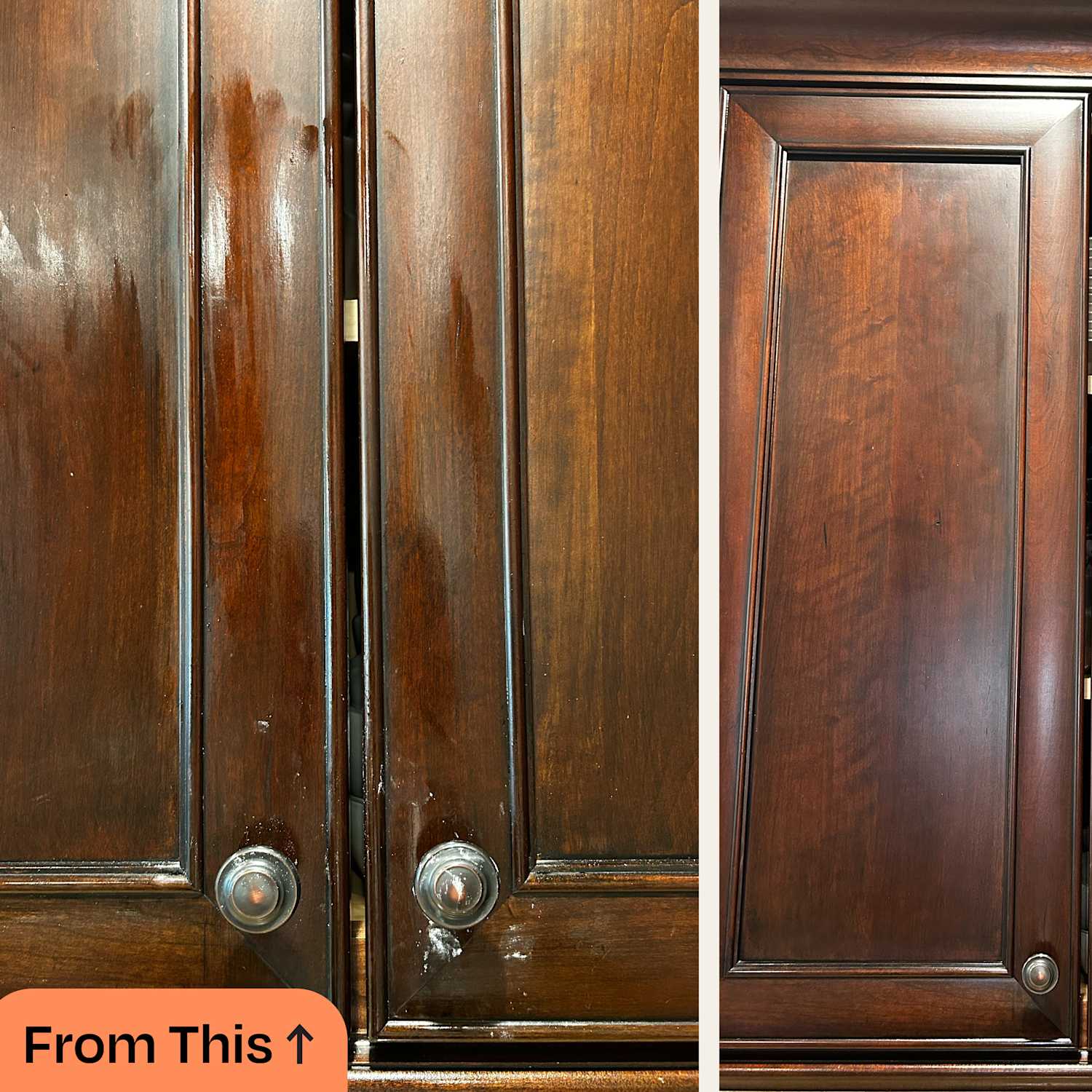
Light scratches on wood cabinets can be fixed with a touch-up marker. For countertops, use a mild polish to reduce marks.
Stains on countertops may need special cleaners. Avoid harsh chemicals that can damage the surface more.
- Use baking soda paste for stubborn stains
- Sand lightly for deep scratches on wood
- Apply sealant to protect repaired areas
- Test cleaners on a small spot first
Credit: www.thekitchn.com
Plumbing And Sink Care
Kitchen maintenance means keeping your plumbing and sink in good shape. This helps avoid big problems and keeps your kitchen clean.
Proper care of pipes, faucets, and drains saves money and stops water damage in your home.
Preventing Clogs And Leaks
Clogs happen when food or grease blocks the pipes. Leaks occur when seals or pipes break down. Both cause water damage and smells.
To stop clogs, avoid pouring grease or large food scraps down the drain. Use a drain strainer to catch bits of food.
- Do not pour oil or fat into the sink
- Use boiling water to clear minor grease buildup
- Regularly clean drain strainers
- Fix leaks quickly to avoid water waste
Maintaining Faucets And Drains
Faucets need regular cleaning to stop mineral buildup. Drains require attention to keep water flowing well and smelling fresh.
Check faucet handles and spouts for leaks. Tighten or replace washers if water drips. Clean drains with safe, natural cleaners.
- Wipe faucets with a soft cloth and mild soap
- Use vinegar to remove mineral deposits
- Clear drains with baking soda and vinegar mix
- Inspect pipes for cracks or corrosion
Floor And Wall Maintenance
Kitchen maintenance means keeping floors and walls clean and in good shape. It helps your kitchen look nice and stay safe.
Regular care stops damage and makes your kitchen last longer. Floors and walls need different cleaning and care.
Cleaning Different Flooring Types
Kitchen floors come in many types like tile, wood, and vinyl. Each type needs special cleaning to avoid damage.
Use soft tools and the right cleaners for each floor. Avoid harsh chemicals on wood and waxed floors.
- Tile floors: Sweep and mop with mild detergent
- Wood floors: Use wood cleaner and dry mop
- Vinyl floors: Clean with warm water and gentle soap
- Stone floors: Use pH-neutral cleaner and soft mop
Handling Wall Stains And Grease
Kitchens often get stains and grease on walls. Cleaning these keeps your kitchen fresh and prevents damage.
Use warm water and mild soap to wipe walls. For grease, try a mix of vinegar and water or special kitchen cleaners.
- Wipe spills quickly to stop stains
- Use soft cloths to avoid scratching paint
- Test cleaners on a small area first
- Ventilate the kitchen to reduce grease buildup
Organizing For Longevity
Keeping your kitchen well-organized helps it last longer. It also makes cooking easier and safer. Proper organization protects your tools and appliances from damage.
Good kitchen maintenance starts with smart storage and controlling clutter. These habits save time and reduce waste.
Smart Storage Solutions
Using the right storage options keeps your kitchen tidy and your items easy to find. It also prevents damage and wear.
- Use clear containers to see contents quickly
- Install shelves to use vertical space
- Store similar items together for quick access
- Label containers and drawers for easy identification
- Keep heavy items on lower shelves to avoid accidents
Reducing Clutter And Waste
Reducing clutter helps keep your kitchen clean and your supplies fresh. It also lowers the chance of food spoiling or going unused.
| Clutter Source | How to Reduce | Benefit |
|---|---|---|
| Expired food | Check dates monthly and discard old items | Prevents bad smells and contamination |
| Unused utensils | Donate or store items rarely used | Frees up space for essentials |
| Excess packaging | Recycle or compost materials | Less trash and cleaner counters |
Seasonal Deep Cleaning
Seasonal deep cleaning keeps your kitchen safe and tidy. It means cleaning areas you usually miss. This helps avoid germs and keeps everything working well.
Every season, focus on big tasks. These tasks take more time than daily cleaning. They prepare your kitchen for the months ahead.
Thorough Appliance Checkups
Check each kitchen appliance carefully. Look for dirt, damage, or parts that need fixing. This keeps appliances safe and saves money on repairs.
- Unplug and clean behind and under appliances
- Check seals on refrigerators and ovens
- Clean filters in dishwashers and vents
- Test smoke alarms near the kitchen
- Inspect cords and plugs for wear
Refreshing Cabinets And Pantries
Empty your cabinets and pantry to clean inside. Remove crumbs, dust, and expired food. Organize items for easy access and freshness.
| Task | Details |
| Remove all items | Take everything out to clean surfaces |
| Wipe shelves | Use mild cleaner and dry thoroughly |
| Check expiration dates | Throw away expired or stale food |
| Organize by use | Place frequently used items in front |
| Add liners | Use shelf liners to protect surfaces |

Credit: www.hospitalityandcateringnews.com

Credit: www.searshomeservices.com
Frequently Asked Questions
What Does Kitchen Maintenance Include?
Kitchen maintenance involves regular cleaning, appliance checks, and fixing minor issues. It ensures safety, hygiene, and functionality in the kitchen.
Why Is Kitchen Maintenance Important?
Kitchen maintenance prevents costly repairs, extends appliance life, and keeps the space safe and clean. It improves cooking efficiency and overall home value.
How Often Should Kitchen Maintenance Be Done?
Basic kitchen maintenance should be done weekly. Deep cleaning and appliance servicing are recommended every 3 to 6 months for best results.
What Tools Are Needed For Kitchen Maintenance?
Common tools include cleaning supplies, screwdrivers, pliers, and wrench sets. These help with minor repairs, cleaning, and appliance upkeep.
Conclusion
Kitchen maintenance means keeping your kitchen clean and functional. It involves regular cleaning. Checking appliances for any issues. Organizing cabinets for easy access. Keeping surfaces free of clutter. These tasks ensure a safe cooking space. They also prolong the life of your appliances.
A clean kitchen boosts efficiency. Helps prevent pests and health issues. Consistent maintenance saves you time and money. A well-maintained kitchen enhances your cooking experience. Plus, it keeps your home welcoming. Remember, a little effort today makes a big difference tomorrow.
Keep your kitchen tidy. Enjoy the benefits every day.