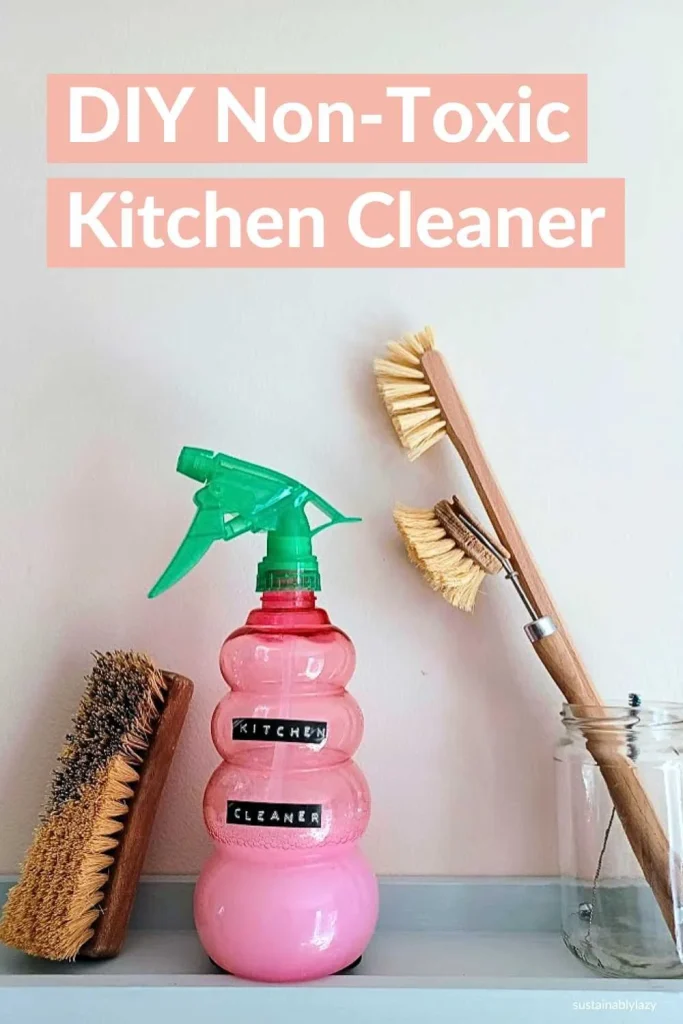
Have you ever wished for a kitchen cleaner that actually works wonders without breaking the bank? Imagine walking into your kitchen and feeling the fresh, clean vibe that only a truly effective cleaner can provide.
You’re about to discover how you can whip up a powerful kitchen cleaner right at home, using simple ingredients you likely already have. This isn’t just any cleaner; it’s a solution designed to tackle stubborn stains, eliminate grease, and leave your kitchen sparkling like never before.
By the end of this article, you’ll not only learn how to make your own kitchen cleaner, but also understand why it’s the best choice for your home. Get ready to transform your cleaning routine and experience the satisfaction of a spotless kitchen!
Benefits Of Diy Kitchen Cleaners
DIY kitchen cleaners offer many benefits that are hard to ignore. They are not only cost-effective but also eco-friendly. Making your own cleaners ensures you know what ingredients are used. This gives you control over the cleaning process.
1. Cost-effective Solutions
Buying commercial cleaners can become expensive over time. DIY cleaners use ingredients you already have at home. Common items like vinegar and baking soda are affordable. This helps save money on household expenses.
2. Eco-friendly Cleaning
Many store-bought cleaners contain harsh chemicals. These can harm the environment. DIY cleaners use natural ingredients. This reduces your carbon footprint. It’s a greener choice for cleaning.
3. Safe For Family And Pets
Harsh chemicals can be unsafe for kids and pets. DIY cleaners are made with safe, natural ingredients. You know exactly what is in your cleaner. This makes your home a safer place.
4. Easy Customization
DIY cleaners can be tailored to your needs. Add essential oils for fragrance or extra cleaning power. Customize the formula to tackle specific stains or odors. This flexibility makes DIY cleaners appealing.
5. Effective Cleaning Power
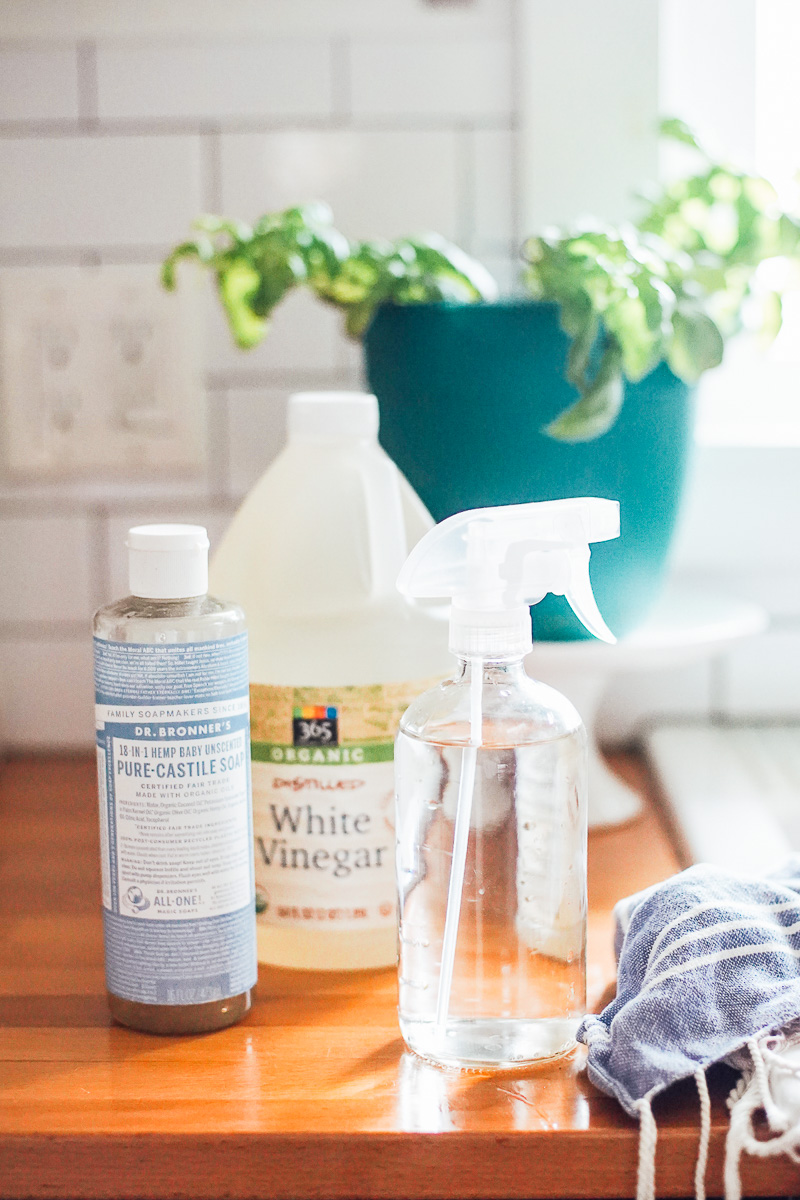
Natural ingredients can clean effectively. Vinegar cuts through grease. Baking soda removes stubborn stains. Lemon juice acts as a natural disinfectant. These common items work well together.
Credit: livesimply.me
Essential Ingredients
Crafting a kitchen cleaner requires simple ingredients like vinegar, baking soda, and lemon juice. These natural elements effectively tackle grease and grime. Safe for surfaces, they ensure a sparkling clean environment without harsh chemicals.
Creating a kitchen cleaner that’s both effective and safe is all about using the right ingredients. You can achieve a sparkling clean kitchen without resorting to harsh chemicals. By focusing on natural, safe, and antibacterial elements, you not only protect your family but also the environment. Let’s dive into what makes a powerful, eco-friendly kitchen cleaner.Natural Cleaners
Natural cleaners are the backbone of any homemade cleaning solution. White vinegar is a must-have due to its ability to cut through grease and grime, leaving surfaces spotless. Baking soda is another essential, perfect for scrubbing away tough stains and neutralizing odors. Have you ever tried using lemon juice? Its acidity is great for dissolving mineral deposits and it leaves a fresh scent behind.Safe Scents
Scents play a crucial role in making your kitchen smell inviting. Essential oils not only smell good but can have cleaning properties too. Lavender oil is calming and can help sanitize surfaces. Tea tree oil is a strong contender with its natural antiseptic qualities. You can also try citrus oils like orange or lemon for a zesty, clean aroma. Mixing a few drops of your favorite essential oils into your cleaning solution can transform the cleaning experience. What scents make you feel most at home?Antibacterial Additives
When it comes to ensuring your kitchen is germ-free, look for antibacterial additives that are gentle yet effective. Alcohol, such as vodka or rubbing alcohol, can kill bacteria and evaporates quickly, leaving no residue. Hydrogen peroxide is a potent disinfectant that can tackle bacteria and viruses. Adding a small amount to your cleaner can boost its germ-fighting power. The key is finding the right balance to keep your kitchen both clean and safe for everyone. By choosing these essential ingredients, you take control of what goes into your cleaning products, ensuring a healthier home environment. What ingredients will you try in your next kitchen cleaner recipe?Basic Kitchen Cleaner Recipe
Create a simple kitchen cleaner using water, vinegar, and a few drops of essential oil. Mix them in a spray bottle. This natural solution effectively cleans surfaces without harsh chemicals.
Are you tired of spending a fortune on commercial kitchen cleaners that are packed with harsh chemicals? Creating your own basic kitchen cleaner at home is not only cost-effective but also ensures a safer environment for your family. With just a few simple ingredients, you can whip up a powerful cleaner that will keep your kitchen sparkling clean.Simple Ingredients
The beauty of making your own kitchen cleaner lies in its simplicity. You only need a handful of ingredients that you probably already have in your pantry. Gather white vinegar, baking soda, water, and a few drops of your favorite essential oil. Vinegar is a natural disinfectant, while baking soda acts as a gentle abrasive. Essential oils not only add a pleasant scent but can also provide additional cleaning properties.Step-by-step Process
Creating your kitchen cleaner is as easy as pie. Start by mixing one cup of water with one cup of white vinegar in a spray bottle. Add two tablespoons of baking soda carefully, as it will fizz upon contact with vinegar. Finally, add 10-15 drops of essential oil to give your cleaner a fresh scent. Shake the bottle gently to mix all the ingredients. Now, your homemade cleaner is ready to tackle grease and grime.Storage Tips
Storing your homemade kitchen cleaner properly will extend its shelf life. Keep it in a cool, dry place away from direct sunlight to maintain its effectiveness. Use a labeled spray bottle to avoid any mix-ups. If you find that your cleaner loses its potency over time, remember it’s easy and affordable to make a fresh batch. Have you ever considered the impact of store-bought cleaners on your indoor air quality? By making your own, you can control what goes into your cleaner and, ultimately, into your home’s air. Plus, you’ll feel a sense of accomplishment every time you see your kitchen sparkle with a product you made yourself.Specialized Cleaners
When it comes to keeping your kitchen sparkling clean, not all cleaners are created equal. Specialized cleaners can make a big difference in tackling specific challenges. Have you ever spent hours scrubbing away stubborn grease, only to find it still clinging to your surfaces? Or battled with stains that seem to have a permanent residence on your countertops? Specialized cleaners are your secret weapon. They target particular problems with precision, making your cleaning routine more effective and less time-consuming. Let’s dive into the types of specialized cleaners you can whip up at home.
Grease Cutters
Grease is a notorious villain in the kitchen. It sticks around like an unwelcome guest, especially on stovetops and oven doors. A simple mix of vinegar and baking soda can become your go-to grease cutter. The effervescent reaction works wonders in breaking down greasy buildup. Spray it on, let it sit, and watch the magic happen. Ever tried using lemon juice? It’s another powerful ally. The acidity helps dissolve grease effortlessly. You might find yourself wondering why you didn’t do this sooner.
Stain Removers
Stains can be a real headache. Be it coffee spills or the aftermath of cooking a vibrant curry, they seem to linger just to taunt you. Hydrogen peroxide is an excellent stain remover. It’s particularly effective on countertops and tiles. Apply it, let it bubble, and wipe away the stain. You can also try a paste of baking soda and water for tougher stains. It’s gentle yet effective, ensuring your surfaces remain unblemished. Why spend on expensive products when your pantry holds the solution?
Odor Eliminators
Kitchens can become a hub of unpleasant odors. From last night’s fish fry to the lingering scent of garlic, odors often overstay their welcome. Baking soda is a fantastic odor eliminator. Sprinkle it in the bottom of your trash can or fridge to absorb unwanted smells. Another trick is to boil a pot of water with slices of lemon or orange. The citrus aroma refreshes the air, leaving your kitchen smelling like a breath of fresh air. Have you ever tried simmering some cinnamon sticks? It’s like inviting a comforting scent to your home.
Specialized cleaners are not just about cleaning; they’re about making your life easier. Which one will you try first?
Tools And Equipment
Creating a kitchen cleaner requires the right tools and equipment. Choosing the correct items ensures efficiency and effectiveness in cleaning. Equipping your kitchen with these essentials makes the cleaning process smooth and effortless. Let’s delve into the essential tools needed for a spotless kitchen.
Spray Bottles
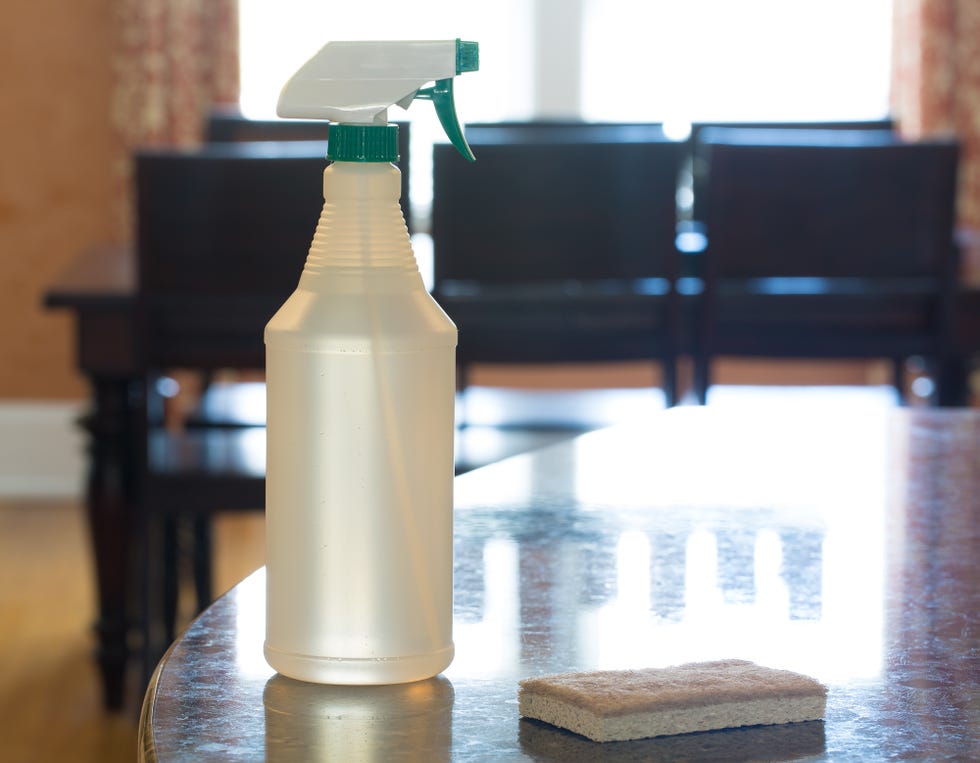
Spray bottles are crucial for easy application of cleaning solutions. They help distribute the cleaner evenly across surfaces. Opt for bottles with adjustable nozzles for varied spray patterns. This flexibility aids in targeting tough spots and wider areas alike. Use clear bottles to monitor the solution levels.
Scrubbing Tools
Scrubbing tools play a vital role in removing stubborn stains. Choose brushes with firm bristles for effective scrubbing. They are perfect for tackling grime on countertops and sinks. For gentle cleaning, sponges are ideal. They offer a softer touch while still lifting dirt effectively.
Microfiber Cloths
Microfiber cloths are indispensable for wiping surfaces. They trap dust and dirt without scratching. These cloths are reusable, making them eco-friendly. Use them dry for dusting or damp for deeper cleaning. Their absorbent nature ensures a streak-free finish on any surface.
Credit: www.thepioneerwoman.com
Safety Tips
Creating your kitchen cleaner at home can be rewarding and safe. Yet, ensuring safety is crucial. Handling ingredients and storing solutions properly prevents accidents. Using proper ventilation is essential for health. Follow these tips for a safer cleaning experience.
Handling Ingredients
Always wear gloves when mixing cleaning ingredients. This protects your skin from irritation. Read labels on all ingredients before use. Some may have warnings or special instructions. Use measuring spoons and cups for accurate proportions. Never mix bleach with ammonia. It creates toxic fumes. Always use clean tools to avoid contamination.
Storing Solutions
Store your homemade cleaner in a labeled container. This prevents confusion with other liquids. Keep cleaners out of children’s reach to avoid accidents. Use containers with secure lids to prevent spills. Store solutions in a cool, dry place. This maintains their effectiveness. Check for leaks or cracks in storage bottles regularly.
Using Proper Ventilation
Always ensure your kitchen is well-ventilated when cleaning. Open windows and doors to circulate air. Use a fan to help remove strong smells. Avoid inhaling fumes directly from bottles. Take regular breaks if the smell becomes overwhelming. Fresh air reduces exposure to any potentially harmful fumes.
Eco-friendly Practices
Creating your own kitchen cleaner is a step towards a greener home. Eco-friendly practices make this process even more beneficial for the planet. By focusing on reducing waste, reusing containers, and choosing sustainable ingredients, you contribute to a healthier environment. Let’s explore these practices in detail.
Reducing Waste
Start by minimizing waste in your cleaning routine. Opt for reusable cloths instead of paper towels. Use a mop with a washable head. Avoid single-use plastic bottles. These changes greatly reduce waste and are easy to implement. Compost organic waste when possible. A compost bin in the kitchen can manage food scraps efficiently. This way, you reduce landfill contributions.
Reusing Containers
Old containers can serve a new purpose. Clean and sanitize them for storing homemade cleaner. Glass jars and spray bottles are excellent options. They are durable and easy to maintain. Reusing containers saves money and reduces plastic use. Label your containers clearly. This helps keep your cleaning supplies organized.
Choosing Sustainable Ingredients
Select ingredients that are safe for the earth. Vinegar, baking soda, and lemon are effective and eco-friendly. They break down easily and do not harm the environment. Essential oils add fragrance without chemicals. Choose organic oils for added sustainability. Always check ingredient labels for harmful additives. This ensures your cleaner is truly eco-friendly.
Troubleshooting Common Issues
Troubleshooting common issues with homemade kitchen cleaners can be simple. Knowing how to fix these issues ensures your cleaner works effectively. It also helps maintain a fresh scent and avoids leaving residue.
Dealing With Residue
Residue can make surfaces feel sticky or dull. This often occurs if the cleaner is too concentrated. Dilute the cleaner with more water. Test a small area first to ensure it cleans well. Use a microfiber cloth for better results. Microfiber attracts and traps residue, leaving surfaces smooth.
Adjusting Scents
Scents might not always be pleasant. Essential oils can lose their fragrance over time. Add a few more drops of your favorite oil. This refreshes the scent and improves the cleaning experience. Ensure oils are mixed well with the cleaner. Stir or shake the bottle before each use.
Improving Effectiveness
Your cleaner might not work as intended. If surfaces aren’t clean, check the ingredients used. Add more vinegar or baking soda for stronger cleaning power. These ingredients cut through grease and grime effectively. Let the cleaner sit on tough spots for a few minutes. This helps in breaking down stubborn dirt.

Credit: loveleafco.com
Frequently Asked Questions
How Do You Make Homemade Kitchen Cleaner?
Mix equal parts of water and white vinegar in a spray bottle. Add a few drops of essential oil for scent. Shake well before use. This homemade cleaner effectively cleans countertops, sinks, and appliances, ensuring a fresh kitchen environment.
What Are The 5 Basic Ingredients In Making A Homemade Cleaning Solution?
A homemade cleaning solution typically includes water, vinegar, baking soda, lemon juice, and essential oils. These natural ingredients effectively clean surfaces without harsh chemicals. Adjust the mix based on the cleaning task. This eco-friendly approach ensures safety and efficiency in household cleaning routines.
What Is The Best Homemade Countertop Cleaner?
Mix equal parts of white vinegar and water for a natural countertop cleaner. Add a few drops of essential oil for fragrance. This solution effectively cleans most surfaces and removes bacteria. Avoid using on granite or marble, as vinegar can damage these materials.
Which Two Ingredients Make Great Diy Household Cleaner?
White vinegar and baking soda create an effective DIY household cleaner. Vinegar disinfects, while baking soda scrubs surfaces clean. This combination removes stains, eliminates odors, and can unclog drains. Mix equal parts for a powerful cleaning solution. Safe for most surfaces, this cleaner is eco-friendly and budget-friendly.
Conclusion
Creating a homemade kitchen cleaner is simple and effective. Mix basic ingredients like vinegar and baking soda. These clean surfaces without harmful chemicals. Plus, it’s cost-effective. Most supplies are already in your pantry. Use this cleaner on countertops and appliances.
It keeps your kitchen fresh and safe. This DIY cleaner also reduces waste. You can reuse spray bottles and save money. Try it today. Your kitchen will thank you. Clean and green with ease. Happy cleaning!