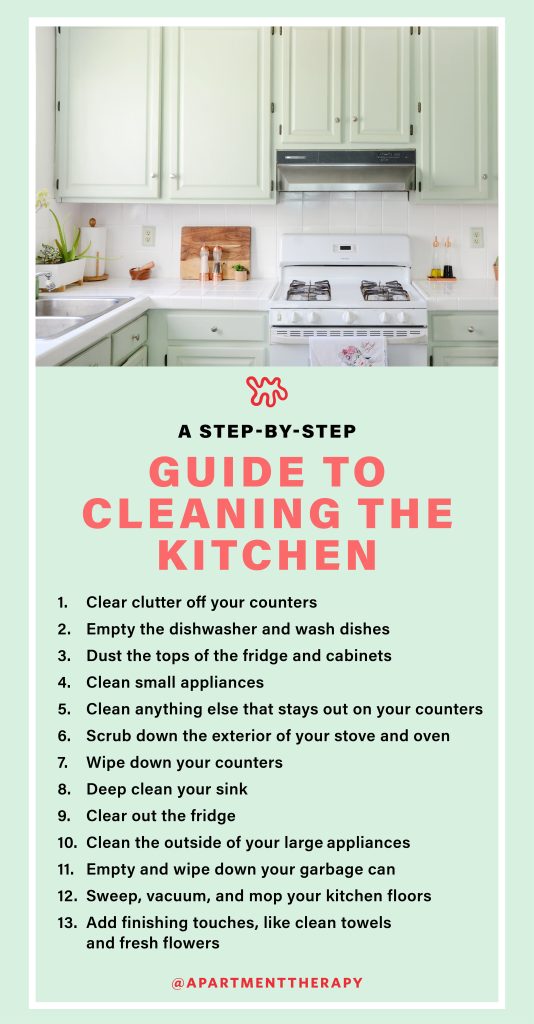
Imagine stepping into your kitchen and feeling a wave of calm wash over you. The counters are spotless, the floors gleam, and every appliance shines with cleanliness.
This isn’t just a dream; it’s a reality you can achieve with effective kitchen cleaning techniques. If you’ve ever felt overwhelmed by the mess in your kitchen or wondered where to start, you’re in the right place. This article will guide you on how to transform your kitchen into a sanctuary of cleanliness.
You’ll discover simple, practical steps that can make a big difference. Get ready to learn how to make your kitchen not only clean but also a joy to spend time in. Your spotless kitchen awaits!

Credit: www.apartmenttherapy.com
Essential Cleaning Supplies
Cleaning your kitchen can feel like a daunting task, but having the right cleaning supplies can make it much easier. Essential cleaning supplies not only help you tackle the mess efficiently but also ensure your kitchen is hygienic. Stocking your cleaning arsenal with the right tools and products is the first step towards a sparkling clean kitchen.
Must-have Tools
Some tools are indispensable for kitchen cleaning. A sturdy sponge is a staple that can tackle both greasy pans and delicate glassware. Keep a set of microfiber cloths handy; they are perfect for wiping surfaces without leaving streaks.
Consider investing in a good quality scrub brush for those tough spots. A squeegee can be a game-changer for shiny countertops and tiles. Don’t forget a reliable pair of rubber gloves to protect your hands while you clean.
Eco-friendly Products
Switching to eco-friendly cleaning products can be a win-win for you and the environment. Vinegar and baking soda are powerful natural cleaners that can handle a range of tasks, from deodorizing to breaking down grime.
Try using lemon juice to disinfect and add a fresh scent to your kitchen. Plant-based dish soaps are effective and gentle on your skin. They’re an excellent choice if you’re looking to reduce your carbon footprint.
Have you ever wondered how small changes in your cleaning routine could make a big difference? By choosing sustainable products, you’re not just cleaning your kitchen; you’re contributing to a healthier planet.
Equipping your kitchen with the right tools and eco-friendly products can transform cleaning from a chore into a rewarding experience. What essential cleaning supplies do you swear by in your kitchen?

Credit: www.euro-maids.com
Daily Cleaning Routine
Cleaning your kitchen daily might sound like a chore, but it’s the secret to maintaining a tidy and welcoming space. Imagine waking up every morning to a sparkling kitchen that inspires you to whip up your favorite breakfast. A daily cleaning routine can transform your kitchen from a chaotic space to a peaceful cooking sanctuary. Let’s dive into some simple yet effective practices you can embrace today.
Quick Countertop Wipe-down
Your countertops see a lot of action—from meal prep to random spills, they endure it all. Make it a habit to wipe them down at the end of each day. Use a simple solution of warm water and mild dish soap. A soft cloth or sponge will do the trick.
Consistency is key. This routine prevents grime buildup and keeps surfaces hygienic. You’ll find your countertops last longer and look better when cleaned regularly. Have you ever noticed how a clean countertop makes your kitchen feel fresher?
Dishwashing Techniques
Leaving dishes in the sink overnight can invite unwanted odors and pests. Instead, tackle them right after meals. Consider investing in a high-quality dish brush or sponge. These tools can make scrubbing easier and more effective.
Organize your dishes by type—plates, bowls, and utensils. Washing them in this order can save time and water. If you have a dishwasher, load it efficiently to maximize space. Can you imagine the satisfaction of seeing an empty sink every night?
Embracing a daily cleaning routine not only keeps your kitchen spotless but also sets the tone for a productive day. You’ll find cooking more enjoyable and less stressful. What small change can you make today to enhance your kitchen cleaning routine? The journey to a cleaner kitchen begins with one simple step.
Weekly Deep Clean
Keeping your kitchen sparkling clean can feel like a daunting task. But with a weekly deep clean routine, it becomes manageable. This routine ensures that all areas of your kitchen are sanitized. It prevents buildup and keeps your kitchen fresh. You can tackle appliances, floors, and other surfaces efficiently. Here’s how you can achieve that spotless look every week.
Appliance Care
Appliances often hide grime and grease. Start by unplugging small appliances like toasters and blenders. Wipe them down with a damp cloth and mild detergent. For larger appliances, focus on the exterior first. Use a microfiber cloth to remove fingerprints and smudges. Inside, pay attention to the fridge and oven. Empty the fridge and wipe shelves with a vinegar solution. Scrub the oven’s interior with baking soda paste. This removes stubborn stains without harsh chemicals.
Floor Scrubbing Tips
Floors collect crumbs and spills daily. Sweep or vacuum to remove debris first. For tile floors, mix warm water with dish soap. Use a mop to scrub gently. Pay extra attention to grout lines. For wooden floors, use a cleaner specifically for wood. Avoid excess water to prevent damage. Dry floors with a clean towel. This keeps them shining and free from streaks.
Tackling Tough Stains
Removing stubborn stains in the kitchen requires patience and the right tools. Utilize baking soda and vinegar for effective cleaning. Regularly maintain surfaces to prevent buildup.
Tackling tough stains in your kitchen can feel like a never-ending battle, but with the right strategies, you can conquer them without breaking a sweat. Whether you’re dealing with stubborn grease or hard water spots, understanding how to address these pesky problems will make your cleaning routine more efficient. Let’s dive into some practical tips that can transform your kitchen from grimy to gleaming.Removing Grease
Grease is the bane of every kitchen’s existence, clinging to surfaces like a stubborn guest who refuses to leave. To tackle grease effectively, start with a simple solution: mix equal parts of vinegar and water in a spray bottle. Vinegar cuts through grease like magic, leaving your surfaces spotless. Consider using baking soda for tougher spots. Sprinkle it on the greasy area, then scrub with a damp sponge. You’ll be amazed at how baking soda lifts grease with minimal effort. Don’t forget about dish soap. A small drop on a damp cloth can work wonders, especially on stovetops and countertops. Next time you cook, take a moment to wipe down surfaces before the grease builds up.Combatting Hard Water Spots
Hard water spots can make your kitchen look dull, especially on glass and stainless steel. But there’s a simple trick to restore their shine. Grab a lemon and cut it in half. Rub it over the spots, then rinse with warm water. The acidity in lemon helps dissolve mineral deposits. For persistent spots, try a mixture of vinegar and water. Spray it generously and let it sit for a few minutes before wiping clean. This solution is particularly effective on faucets and sink fixtures. Have you ever tried using a dryer sheet? It sounds unusual, but rubbing a dry sheet over hard water spots can surprisingly remove them. It’s a quick fix that you might already have in your laundry room. Remember, keeping your kitchen clean is about regular maintenance, not just occasional deep cleans. What’s your go-to trick for tackling tough stains? Share your insights and let’s learn together.Organizing For Cleanliness
Organizing your kitchen for cleanliness is more than just putting things away—it’s about creating a system that makes cleaning easy and efficient. An organized kitchen not only looks better but also functions better. Imagine walking into a kitchen where everything has a place and cleaning feels like a breeze rather than a chore. Let’s dive into how you can achieve this with smart cabinet and pantry arrangement and efficient storage solutions.
Cabinet And Pantry Arrangement
Think about the last time you searched for a spice or a cooking tool and couldn’t find it. Frustrating, right? One way to avoid this is by arranging your cabinets and pantry in a way that makes sense for your cooking habits. Group similar items together. Place frequently used items within easy reach. Store seasonal or less-used items in higher or lower shelves.
Consider labeling shelves or containers. It’s amazing how a simple label can save you time. You might find organizing by category helpful, like grains, canned goods, or baking supplies. This reduces the time spent rummaging through cabinets.
Visualize your pantry and cabinets as a map. You should be able to locate items quickly, without a mental struggle. Have you ever thought about the flow of your kitchen? Your setup should make grabbing ingredients as easy as possible when moving from prep to stove.
Efficient Storage Solutions
Maximize your space using smart storage solutions. Think about vertical storage or stackable bins. These solutions can free up space and make it easier to keep everything tidy. You can use drawer dividers for utensils or adjustable shelving for tall items.
Don’t overlook the space under your sink or behind cabinet doors. These areas can be great for storing cleaning supplies or small items that clutter countertops. Use hooks or adhesive organizers on the inside of cabinet doors for extra storage.
Keep your countertops clear to maintain a clean look. Store small appliances in cabinets to prevent clutter. Have you ever noticed how a clutter-free counter makes cleaning easier and faster? Try it and see how your kitchen transforms.
By organizing your kitchen effectively, you can reduce cleaning time and make your space more functional. What are some creative ways you’ve organized your kitchen? Share your insights and inspire others to find joy in a clean, organized space.
Maintaining A Sparkling Sink
Achieving a sparkling sink enhances your kitchen’s appeal. Regular cleaning with mild soap and warm water keeps it shining. Rinse thoroughly and dry with a soft cloth to prevent water spots.
A sparkling sink is the heart of a clean kitchen. It’s where you prep meals, wash dishes, and even rinse fruits and veggies. Keeping it spotless not only enhances your kitchen’s aesthetics but also ensures hygiene. Ever noticed how a gleaming sink boosts your mood? Let’s dive into the best ways to maintain that shine.Sink Cleaning Techniques
First, gather your cleaning essentials. You’ll need a gentle scrub brush, dish soap, and white vinegar. Start by rinsing the sink with hot water to loosen debris. Use dish soap on a sponge to scrub the entire surface, focusing on stains. Rinse thoroughly. For stubborn stains, sprinkle baking soda on the damp surface. Scrub gently with your brush, then rinse. White vinegar is excellent for removing water spots. Spray it on, let it sit for a few minutes, and wipe with a clean cloth. How often do you clean your sink? Frequent cleaning prevents grime buildup.Drain Maintenance
A clean drain keeps your sink fresh. Pour a cup of baking soda down the drain, followed by a cup of vinegar. This combination fizzes and breaks down residue. After 15 minutes, flush it with boiling water. You might be surprised by the gunk that collects in the drain stopper. Every week, remove and scrub it with soap and a toothbrush. This simple step prevents clogs and odors. Finally, consider using a drain strainer. It catches food particles and makes cleaning easier. Have you ever tried this? It’s a small change with a big impact on keeping your sink sparkling.Dealing With Odors
Dealing with kitchen odors can be a persistent challenge. Unpleasant smells often linger, affecting the entire home. Fortunately, there are simple methods to address these odors effectively. With easy steps, you can keep your kitchen smelling fresh and clean.
Freshening The Fridge
The fridge is a common source of kitchen odors. Cleaning it regularly helps. Start by removing expired items. Wipe shelves with warm, soapy water. Rinse and dry them thoroughly. Place an open box of baking soda inside. It absorbs odors naturally. For a pleasant scent, add a few drops of vanilla extract to a cotton ball. Place it in the fridge for a refreshing aroma.
Natural Deodorizing Methods
Using natural ingredients can effectively combat kitchen odors. Simmer a pot of water with lemon slices on the stove. The citrus scent will fill the air. Boiling a mixture of vinegar and water also neutralizes smells. For a quick fix, grind a lemon peel in your garbage disposal. The fresh scent will spread throughout the kitchen.
Herbs like mint and basil can also help. Place small pots on windowsills or counters. They add greenery and a pleasant fragrance. Essential oils such as lavender or eucalyptus offer another option. Add a few drops to a diffuser or cotton ball. These oils refresh the air and create a calming environment.

Credit: cosmoappliances.com
Safety And Hygiene Practices
Safety and hygiene in kitchen cleaning are crucial. They prevent contamination and ensure a healthy environment. Practicing proper methods keeps your kitchen safe from germs and bacteria. Learn how to sanitize, handle cleaning chemicals responsibly, and maintain a clean space.
Proper Sanitization
Sanitizing surfaces eliminates harmful bacteria. Use warm, soapy water for initial cleaning. Rinse thoroughly to remove soap residue. After rinsing, apply a disinfectant. Choose one suitable for kitchen use. Let it sit for the recommended time. This ensures effective germ elimination.
Pay attention to high-touch areas. These include countertops, knobs, and handles. Regularly sanitize these spots. This keeps your kitchen hygienic and safe. Clean utensils and cutting boards promptly. They can harbor bacteria if not sanitized.
Handling Cleaning Chemicals
Handling cleaning chemicals requires care. Always read labels before use. Follow instructions strictly. Wear gloves to protect your skin. Ensure proper ventilation while cleaning. This prevents inhaling harmful fumes.
Store chemicals safely. Keep them out of reach of children. Use designated containers for storage. Avoid mixing different chemicals. This can cause dangerous reactions. If unsure, consult safety guidelines. Your safety matters when cleaning.
Frequently Asked Questions
What Is The Proper Way Of Cleaning The Kitchen?
Begin by clearing countertops and washing dishes. Wipe surfaces with a disinfectant cleaner. Sweep and mop floors thoroughly. Clean appliances like the stove and refrigerator. Empty trash and replace with a new bag.
What Are The 7 Steps Of Cleaning A Kitchen?
1. Declutter countertops and put items away. 2. Wipe down surfaces with a damp cloth. 3. Clean appliances thoroughly. 4. Scrub the sink and faucet. 5. Sweep and mop the floor. 6. Empty the trash bin. 7. Organize cabinets and pantry.
How To Deep Clean A Kitchen Quickly?
Start by decluttering countertops and organizing items. Wipe surfaces with disinfectant, including appliances. Scrub sink and faucet thoroughly. Clean cabinets and drawers inside and out. Mop floors using a suitable cleaner. Ensure ventilation while cleaning to remove odors. A quick deep clean enhances kitchen hygiene and freshness efficiently.
What Is The Correct Order Of Cleaning Kitchen Equipment?
The correct order for cleaning kitchen equipment is: remove debris, wash with soap, rinse, sanitize, and air-dry. Always use appropriate cleaning tools and solutions.
Conclusion
Keeping your kitchen clean ensures a healthy home. It’s essential for hygiene. Regular cleaning prevents germs and bacteria. Start with daily tasks. Wipe counters and wash dishes. Weekly deep cleaning is crucial. Focus on appliances and corners. Use simple cleaning supplies.
Vinegar and baking soda work wonders. Don’t forget to clean the sink. Organize as you clean. It saves time and effort. A tidy kitchen inspires more cooking. Enjoy your clean space. Maintain cleanliness regularly. It becomes a habit over time.
Your kitchen deserves care and attention. Happy cleaning!