Have you ever found yourself staring at your kitchen counter, wondering if you can use the bathroom cleaner that’s sitting right there to tackle those stubborn stains? It’s a common thought, especially when you’re trying to make the most out of the cleaning products you already have.
But hold on a second—before you spray away, it’s important to know what you’re dealing with. Your kitchen is where you prepare food, and using the wrong cleaner could lead to unexpected consequences. Imagine cleaning your kitchen with a product that might not be safe for surfaces where you prepare meals.
You don’t want to risk contamination or damage. We’ll delve into whether bathroom cleaners are safe for kitchen use, what ingredients you should be cautious of, and ultimately, how you can keep your kitchen sparkling without compromising safety. Keep reading to ensure your cleaning routine is both effective and safe.
Bathroom Vs. Kitchen Cleaners
Cleaning products are essential for maintaining hygiene in our homes. Different areas require specific cleaners. Let’s explore the differences between bathroom and kitchen cleaners.
Chemical Composition Differences
Bathroom cleaners often contain stronger chemicals. They target soap scum and hard water stains. These chemicals can include bleach and acids. Kitchen cleaners focus on grease and food residue. They may contain milder agents like vinegar or baking soda.
These differences ensure optimal cleaning results. Using the wrong cleaner can be ineffective. It might even damage surfaces or create harmful residues.
Purpose And Effectiveness
Bathroom cleaners are designed for non-porous surfaces. They efficiently remove mold and mildew. Kitchen cleaners need to be safe for food contact. They focus on cutting through oils and fats.
Each cleaner is tailored to its environment. Using a bathroom cleaner in the kitchen might not address grease effectively. It might leave residues unsafe for food preparation.
Potential Risks
Using bathroom cleaner in the kitchen seems convenient. Yet, it carries potential risks. These risks can affect health and damage surfaces. It’s crucial to understand these dangers. Knowing them helps in making safe choices.
Health Hazards
Bathroom cleaners often contain strong chemicals. These chemicals can release harmful fumes. Breathing these fumes may cause discomfort. They can irritate the eyes and throat. Long-term exposure might lead to serious health issues. Using them near food surfaces increases risk. Chemicals could contaminate food, posing health dangers.
Surface Damage
Bathroom cleaners are designed for tough stains. They can be harsh on delicate kitchen surfaces. Using them on countertops may cause damage. They can strip away protective layers. This leads to dull and worn-out surfaces. Some cleaners might scratch or stain surfaces. Using the wrong cleaner can ruin kitchen finishes. It’s important to use suitable products for each area.
Safety Precautions
Using bathroom cleaners in the kitchen may seem convenient. But safety must come first. These cleaners contain strong chemicals. They can be harmful if not used correctly. Understanding safety measures is essential. This ensures a safe environment in your kitchen. Let’s explore key precautions.
Ventilation Importance
Proper ventilation is crucial when using cleaners. Bathroom cleaners release fumes. These can irritate your lungs. Always open windows and doors. Use fans to circulate air. This reduces the risk of inhaling harmful fumes. Good airflow keeps your kitchen safer.
Protective Gear
Wearing protective gear is important. Gloves protect your skin from chemicals. Safety goggles shield your eyes. A mask can prevent inhaling fumes. These simple steps reduce health risks. They ensure your safety while cleaning. Always keep protective gear within reach.
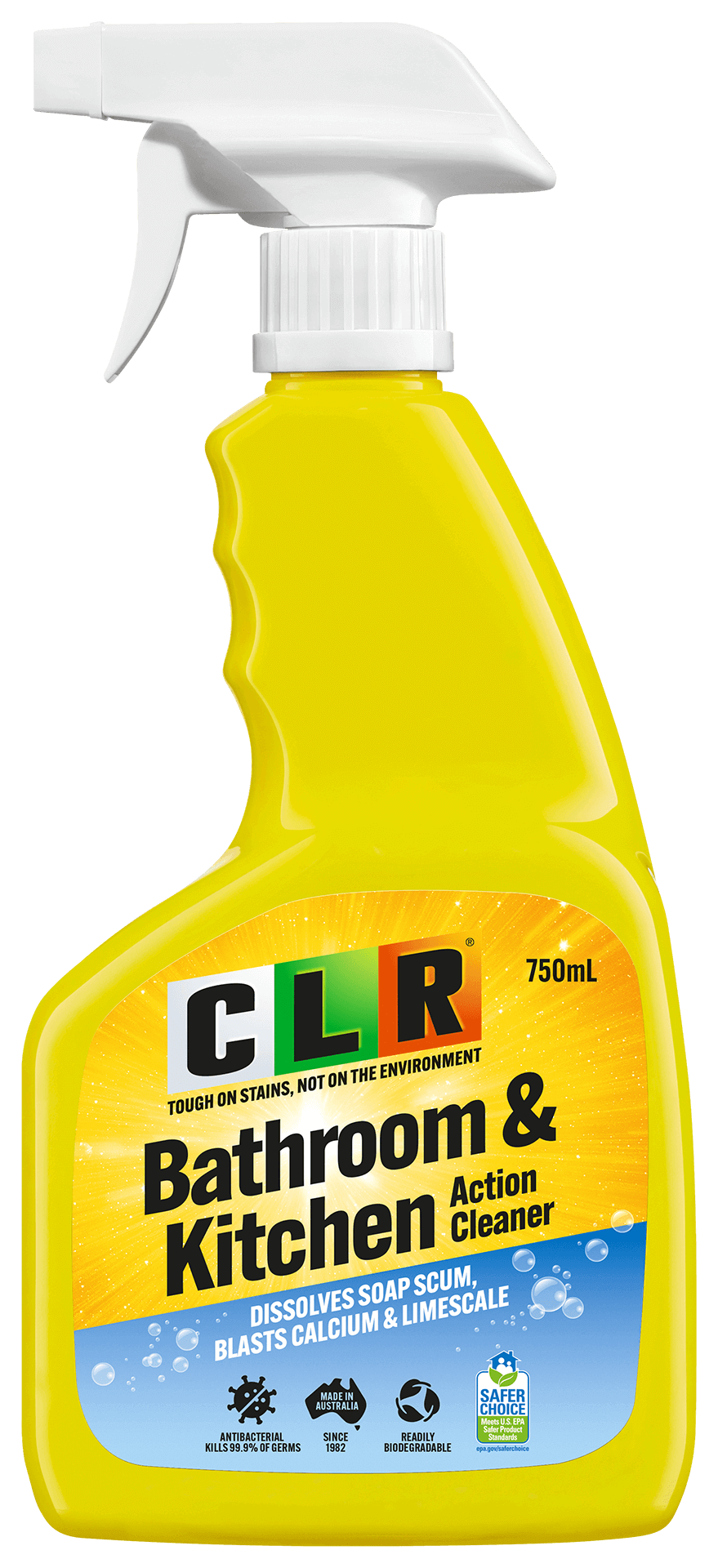
Credit: clrclean.com.au
Alternative Solutions
Cleaning kitchens and bathrooms efficiently is crucial for a healthy home. Yet, using bathroom cleaner in the kitchen might not be ideal. It could leave unwanted chemicals on surfaces where you prepare food. Fortunately, there are alternative solutions that ensure cleanliness without compromising safety.
Multi-purpose Cleaners
Multi-purpose cleaners offer a versatile solution for both kitchen and bathroom. They are designed to tackle grease, grime, and bacteria on various surfaces. These cleaners simplify the cleaning process by reducing the need for multiple products. They work well on countertops, sinks, and even floors. Choose a product labeled safe for food preparation areas. This ensures that your kitchen remains safe and hygienic.
Diy Natural Cleaners
DIY natural cleaners provide an eco-friendly alternative for cleaning your kitchen. Ingredients like vinegar, baking soda, and lemon are effective against dirt and germs. Vinegar mixed with water can clean surfaces and remove odors. Baking soda is a gentle abrasive for scrubbing stubborn stains. Lemon juice adds a pleasant scent and boosts cleaning power. These natural cleaners are safe and affordable. They help maintain a clean kitchen without harsh chemicals.
Proper Usage Guidelines
Proper usage of bathroom cleaners in the kitchen demands careful attention. Using a cleaner in an unintended way can risk safety. It’s important to follow guidelines for safe cleaning practices. This ensures effective cleaning without compromising health.
Label Instructions
Always start by reading the cleaner’s label. Manufacturers provide specific instructions for use. The label indicates what surfaces the cleaner is safe for. Check if it mentions kitchen use. Look for warnings about toxic ingredients. Pay attention to dilution requirements if any. Following these instructions ensures safety.
Safe Application Techniques
Use gloves when handling bathroom cleaners. They protect your skin from harsh chemicals. Ventilate the kitchen to avoid inhaling fumes. Open windows or use exhaust fans. Apply the cleaner with a cloth or sponge. Avoid spraying directly onto food preparation areas. Rinse surfaces thoroughly after cleaning. This prevents residue from contaminating food.
Credit: milwaukeelorimaid.com

Credit: nwmaids.com
Frequently Asked Questions
Can I Use Bathroom Cleaner To Clean My Kitchen?
It’s not recommended to use bathroom cleaner in the kitchen. Bathroom cleaners may contain harsh chemicals. These chemicals can contaminate food surfaces and pose health risks. Use a cleaner specifically designed for kitchens. This ensures safety and effectiveness while maintaining hygiene in food preparation areas.
Is Kitchen Cleaner The Same As Bathroom Cleaner?
Kitchen and bathroom cleaners are different. Kitchen cleaners focus on grease and food residue. Bathroom cleaners target soap scum and mineral deposits. Always check labels for specific uses. Using the right cleaner ensures effective cleaning and safety.
Is The Bathroom Cleaner Than The Kitchen?
Bathrooms can be cleaner than kitchens due to fewer food particles. Regular cleaning is essential in both areas. Kitchen surfaces often harbor more bacteria due to food preparation activities. Use disinfectants and maintain hygiene to ensure cleanliness in both spaces.
Can You Use Bathroom Drain Cleaner In The Kitchen?
Using bathroom drain cleaner in the kitchen is not recommended. It can damage kitchen pipes and surfaces. Always use products specifically designed for kitchen drains to ensure safety and effectiveness. Kitchen cleaners are formulated to handle food residue and grease, which bathroom cleaners are not.
Conclusion
Using bathroom cleaner in the kitchen? Not the best idea. These cleaners have strong chemicals. They can harm surfaces or leave residues. Kitchen surfaces need gentle care. Use cleaners made for kitchens. This keeps your family safe from harmful chemicals.
Always read labels before use. Choose eco-friendly options for a healthier home. Clean smart, stay safe. Your kitchen deserves the right products. Keep it clean and safe.