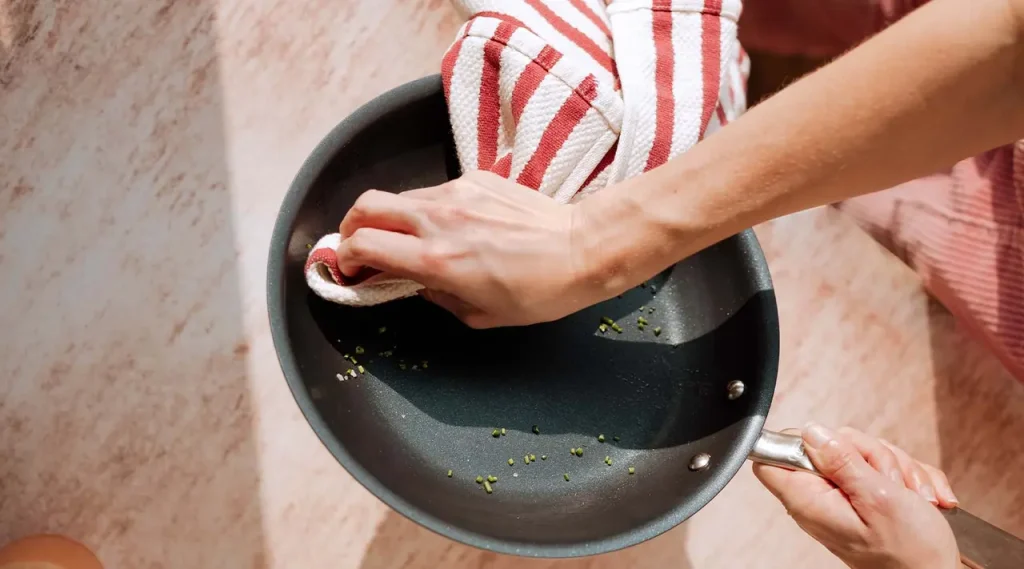
Cleaning non-stick cookware can often feel like a daunting task. You might worry about damaging that smooth surface which makes cooking a breeze.
Yet, it’s essential to maintain these kitchen essentials properly to ensure they last longer and continue to perform well. Imagine cooking your favorite meals with ease, without the frustration of food sticking or surfaces scratching. Knowing the right techniques can save you time, money, and a lot of hassle.
If you’ve ever found yourself questioning the best way to clean your non-stick pots and pans, you’re not alone. In this guide, you’ll discover simple, effective methods that will keep your cookware looking and working like new. Ready to transform your cleaning routine? Let’s dive in!
Credit: www.oxo.com
Essential Tools For Cleaning
Cleaning non-stick cookware requires the right tools to preserve its surface. Essential tools make the task easier and protect the pan’s non-stick coating. With the right equipment, cleaning becomes efficient and hassle-free.
Soft Sponge
A soft sponge is gentle on non-stick surfaces. It cleans without scratching. Avoid abrasive sponges which can damage the coating.
Microfiber Cloth
Microfiber cloths are perfect for drying non-stick cookware. They absorb water quickly. This helps prevent water spots and keeps your pans looking new.
Rubber Scraper
Use a rubber scraper for stuck-on food. It removes residue without harming the surface. A gentle tool is ideal for non-stick pans.
Dish Soap
Choose mild dish soap for cleaning. Harsh chemicals can wear down the coating. A gentle soap keeps your cookware safe and clean.
Warm Water
Warm water helps loosen food particles. It makes cleaning easier. Avoid hot water as it might warp the pan.
Cleaning Brush
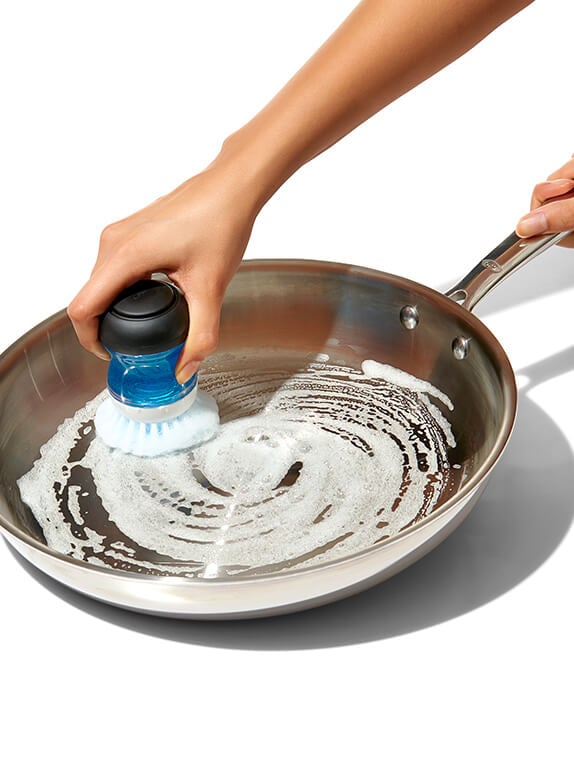
A soft-bristled brush cleans edges and corners effectively. It’s perfect for tricky spots. Ensure the bristles are not too hard.

Credit: www.reddit.com
Pre-cleaning Steps
Begin cleaning non-stick cookware by soaking in warm, soapy water. Use a soft sponge to gently remove residue. Avoid abrasive cleaners to protect the coating.
Cleaning non-stick cookware can be a breeze if you know the right steps. The secret lies in the preparation process, which can make all the difference. If you’ve ever felt frustrated by stubborn stains or lingering odors, then pre-cleaning steps are your new best friend. These simple actions pave the way for a smoother and more effective cleaning experience. Have you ever wondered if there’s a better way to tackle those greasy pans? Let’s dive into the essential pre-cleaning steps that can change your cooking game.Inspect Your Cookware
Before you start, take a close look at your non-stick cookware. Check for scratches or damage. This ensures you’re aware of any spots that might need extra care. If you notice any wear and tear, it might be time for a replacement. A quick inspection can save you time and effort in the long run.Gather Your Supplies
Collect everything you need before you start cleaning. Soft sponges, mild dish soap, and warm water are your essentials. Avoid abrasive tools like steel wool that can damage the non-stick surface. Having your supplies ready makes the process efficient and stress-free.Remove Food Residue
Clear any leftover food from the cookware. Use a spatula to gently scrape off bits of food. Be careful not to scratch the surface. Removing residue helps prevent food from sticking during the cleaning process. It’s a small step that makes a big difference.Soak With Warm Water
Fill the cookware with warm water and add a few drops of mild dish soap. Let it soak for a few minutes. This helps loosen stubborn stains and makes them easier to clean. Soaking is like giving your cookware a head start in the cleaning race.Ask Yourself: What Do You Avoid?
Consider what cleaning habits you’ve been using. Are they effective or do they cause damage? Avoid harsh chemicals and scrubbing too hard. Reflecting on your cleaning methods can lead to better practices and longer-lasting cookware. These pre-cleaning steps are not just for the perfectionists. They are practical actions that lead to better results. Next time you’re faced with dirty non-stick cookware, remember these steps and see the difference they make. You might find cleaning becomes less of a chore and more of a routine you actually enjoy.Hand Washing Techniques
Non-stick cookware requires special care. Hand washing preserves its coating. These techniques help maintain your cookware’s longevity. They ensure it remains safe for cooking.
Gentle Scrubbing Methods
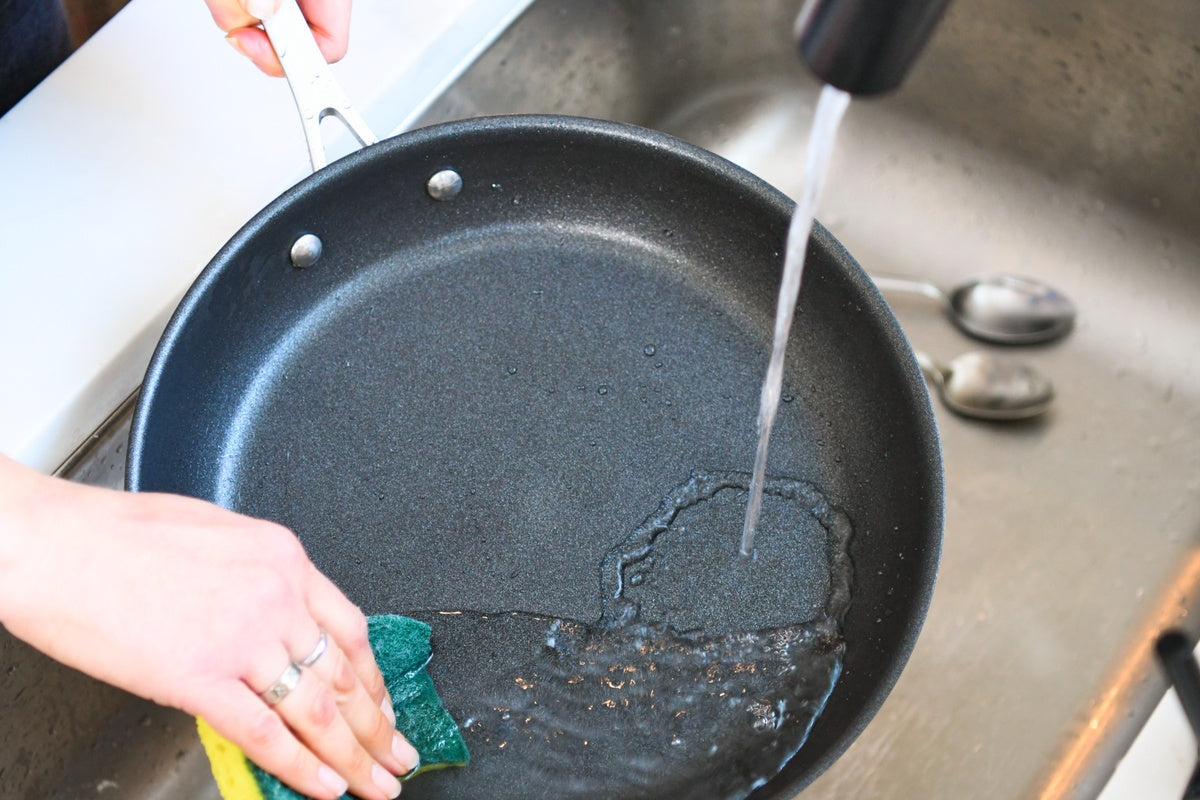
Use a soft sponge or cloth. Avoid using steel wool or abrasive scrubbers. These can damage the non-stick surface. Soak the pan in warm water for a few minutes. It helps loosen any stuck food. Gently scrub in circular motions. Do not press too hard. Rinse thoroughly with clean water.
Choosing The Right Detergent
Select a mild dish soap. Harsh chemicals can erode the non-stick layer. Check the label for non-toxic, biodegradable ingredients. A small amount is enough. Avoid using too much detergent. It might leave a residue. Rinse the cookware well after washing. Ensure no soap remains.
Credit: americankitchen.com
Removing Stubborn Residue
Removing stubborn residue from non-stick cookware can be a frustrating chore. You might have tried scrubbing endlessly or soaking for hours, only to find the residue still clinging to the surface. Let’s explore some effective methods to tackle this challenge without damaging your cookware. Have you ever wondered if there’s a simpler way to restore the shine and functionality of your favorite pan?
Using Baking Soda
Baking soda is a powerhouse when it comes to cleaning. Sprinkle a generous amount over the residue on your non-stick pan. Add a little water to create a paste.
Gently scrub with a soft sponge or cloth. Feel the residue lift away as the baking soda works its magic. It’s amazing how such a simple ingredient can make a big difference!
Rinse thoroughly and dry. Your cookware should now be residue-free and ready to use.
Vinegar Solutions
Vinegar is another fantastic option for stubborn residue. Mix equal parts water and white vinegar in your pan.
Heat the mixture until it simmers. You’ll notice the residue starting to loosen.
Let it cool, then wipe away with a sponge. You’ll be surprised at how easily the residue disappears.
Consider trying both methods to see which works best for your cookware. Do you have a favorite cleaning hack for your kitchen tools? Share your thoughts and experiences in the comments below!
Avoiding Common Mistakes
Gentle care keeps non-stick cookware lasting longer. Always use soft sponges to avoid scratches. Avoid high heat to maintain the coating’s quality.
Cleaning non-stick cookware can be a bit tricky, and it’s easy to make mistakes that could ruin your pots and pans. Ever scrubbed a non-stick pan only to find the surface damaged and the non-stick coating peeling off? You’re not alone. Many people unintentionally shorten the lifespan of their cookware by not knowing what to avoid. Let’s dive into some common mistakes and learn how to keep your non-stick cookware in top shape.Avoiding Abrasive Materials
Choosing the right cleaning tools is crucial for maintaining non-stick cookware. Avoid using steel wool, harsh scouring pads, or abrasive cleaners. These can scrape off the non-stick surface, making your cookware less effective. Instead, opt for soft sponges or microfiber cloths. These gentle materials help preserve the non-stick coating. It’s like giving your cookware a spa day—gentle care leads to a longer life. Think about the last time you cleaned your non-stick pan. Did you use a rough scrubber in a hurry? Next time, try switching to a soft sponge. You’ll notice the difference over time.Preventing Scratches
Scratches on non-stick cookware can be a real nuisance. They not only ruin the aesthetic but also make cooking and cleaning a hassle. Are you unknowingly scratching your pans with metal utensils? Consider using silicone, wood, or plastic utensils. They’re kinder to the non-stick surface. Picture a chef delicately plating a dish—that’s how you should treat your cookware. Avoid stacking non-stick pans directly on top of each other. If you must stack them, place a paper towel or soft cloth between each piece. This simple trick can prevent unwanted scratches and keep your cookware looking new. Have you ever wondered why your non-stick pan doesn’t cook as well as it used to? Scratches might be the culprit. Protecting the surface is key to maintaining efficient cooking performance. Mistakes happen, but with a bit of care, you can avoid them. What will you do differently next time you clean your non-stick cookware?Maintaining Non-stick Surfaces
Non-stick cookware makes cooking and cleaning easy. But, it needs proper care. Maintaining its surface ensures longevity. Treat it gently to keep the coating intact. Regular maintenance prevents scratches and extends its life. Let’s dive into best practices for caring for non-stick cookware.
Proper Storage Tips
Storing non-stick pans correctly is essential. Never stack heavy pots on them. Use a soft cloth or paper towel between pans. This prevents scratching. Hang them if you have hooks available. Always make sure they are dry before storing. Moisture can damage the coating over time.
Periodic Deep Cleaning
Deep cleaning keeps the non-stick surface in top condition. Use mild dish soap and warm water. Avoid abrasive pads and harsh cleaners. For stubborn stains, try baking soda paste. Apply gently with a soft sponge. Rinse thoroughly and dry immediately. This routine helps maintain the non-stick surface for years.
Signs Of Wear And Tear
Recognizing signs of wear and tear on non-stick cookware is essential. Scratches, peeling, or discoloration indicate it’s time for a gentle clean. Use soft sponges and mild detergents to maintain the surface.
Noticing signs of wear and tear on your non-stick cookware can be unsettling. You may find yourself wondering if those scratches are harmless or a sign to part ways with your beloved pan. Understanding these signs can save you from potential health risks and ensure your cooking experience remains safe and enjoyable.When To Replace Cookware
A key sign that it’s time to replace your non-stick cookware is when the coating starts peeling or flaking. I remember using a favorite skillet way past its prime, only to find tiny black flakes in my scrambled eggs. Not only did it ruin breakfast, but it also made me question the safety of using that pan. Another signal is when food begins to stick more frequently. Non-stick surfaces are designed to make cooking and cleaning easier. If you find yourself scraping off burnt residue, it’s a clear indication that the coating has worn off. Lastly, check for warping. A warped pan won’t sit evenly on your stovetop, leading to uneven cooking. Imagine trying to fry an egg, only to find it pooling on one side. This not only frustrates your cooking efforts but can also be a sign that your cookware is no longer fit for regular use. Are you wondering if your cookware is still safe to use? Look closely at its surface. If you notice significant wear, consider investing in a new set. It’s better to cook with confidence than risk your health and meal quality.Frequently Asked Questions
What Is The Best Thing To Clean Non-stick Pans With?
Clean non-stick pans with a soft sponge and mild dish soap. Avoid abrasive pads or harsh chemicals. Rinse thoroughly and dry immediately to maintain the coating’s integrity. Always handle with care to extend the lifespan of your non-stick cookware.
How Do I Get The Brown Stuff Off My Non-stick Pan?
To remove brown residue from a non-stick pan, use a paste of baking soda and water. Gently scrub with a soft sponge, rinse thoroughly, and dry. Avoid abrasive cleaners to maintain the pan’s non-stick surface. Regular cleaning prevents buildup and extends the pan’s lifespan.
How Do You Get Baked On Grease Off Non-stick Pans?
Use baking soda and water paste to scrub the grease gently. Rinse with warm water and dry thoroughly. Avoid metal scrubbers to protect the non-stick surface. Repeat if necessary for stubborn stains. Regular cleaning prevents grease build-up on non-stick pans.
How Are You Supposed To Wash Non-stick Pans?
Wash non-stick pans gently using warm water and mild dish soap. Use a soft sponge, not abrasive pads. Avoid harsh detergents and never soak them for long periods. Dry them immediately with a clean towel to prevent water spots and maintain their non-stick surface.
Conclusion
Cleaning non-stick cookware is simple and essential. It keeps your pans in good shape. Use gentle soap and soft sponges. Avoid abrasive cleaners that scratch surfaces. Dry your cookware completely to prevent damage. These tips help your cookware last longer.
Protects their non-stick quality. Regular care ensures safe cooking. Enjoy hassle-free meal prep every time. Remember, proper cleaning makes a difference. Your cookware will thank you. Keep these steps handy for easy cleaning. Happy cooking with your well-maintained pans!