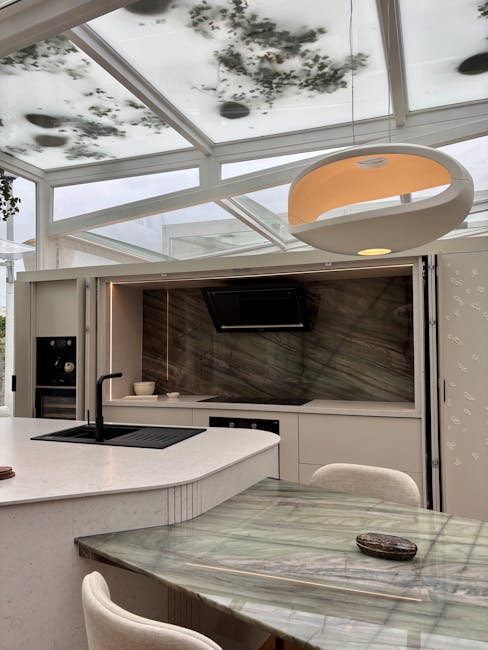
Imagine stepping into a kitchen that perfectly reflects your style and meets all your culinary needs. Designing your own kitchen layout can transform this dream into a reality.
Whether you’re a seasoned chef or someone who enjoys the occasional home-cooked meal, the layout of your kitchen significantly impacts your cooking experience. In this guide, you’ll discover practical tips and creative ideas to craft a kitchen space that’s both functional and beautiful.
We’ll walk you through the essentials, ensuring that every inch of your kitchen is optimized for convenience and ease. You’ll learn how to avoid common design pitfalls, making sure your kitchen becomes a place of inspiration rather than frustration. Are you ready to take control and shape the heart of your home into a space you love? Dive in to learn how you can design a kitchen layout that is uniquely yours.
Assessing Your Kitchen Needs
Designing your kitchen layout is an exciting venture. It’s a chance to tailor a space that truly meets your needs. But before diving into the aesthetics, it’s crucial to assess what you really need from your kitchen. This step ensures that your design isn’t just about looks, but also about functionality and practicality.
Identifying Essential Features
Consider what you use your kitchen for the most. Do you love baking, or is quick meal prep your go-to? List the essential features that support your daily activities. If you bake often, a dedicated space for your mixer might be essential.
Think about appliances you can’t live without. Is a double oven a must-have, or can you manage with a single? Identifying these features will guide your layout decisions. It’s like writing a wishlist that prioritizes your needs.
Don’t forget about storage. Adequate storage is crucial for maintaining order. Do you need more cabinets for your expanding collection of cookware, or is a pantry essential for your dry goods?
Understanding Space Requirements
Measure your kitchen space carefully. Knowing the dimensions helps in planning the layout effectively. A small kitchen might require smart storage solutions, while a larger space could offer more flexibility.
Consider how you move around the kitchen. Is there room for an island, or will it make the space feel cramped? Knowing how you use the space can prevent design mistakes. It’s all about creating a layout that works with you, not against you.
Think about seating and dining. Do you need a breakfast bar or a full dining table? Tailoring your kitchen to accommodate your lifestyle makes the space more enjoyable and functional.
What challenges do you face in your current kitchen? Identifying these can help you avoid similar issues in your new design. Perhaps you often find yourself bumping into corners or struggling to reach high shelves. These insights can lead to a more personalized and efficient layout.
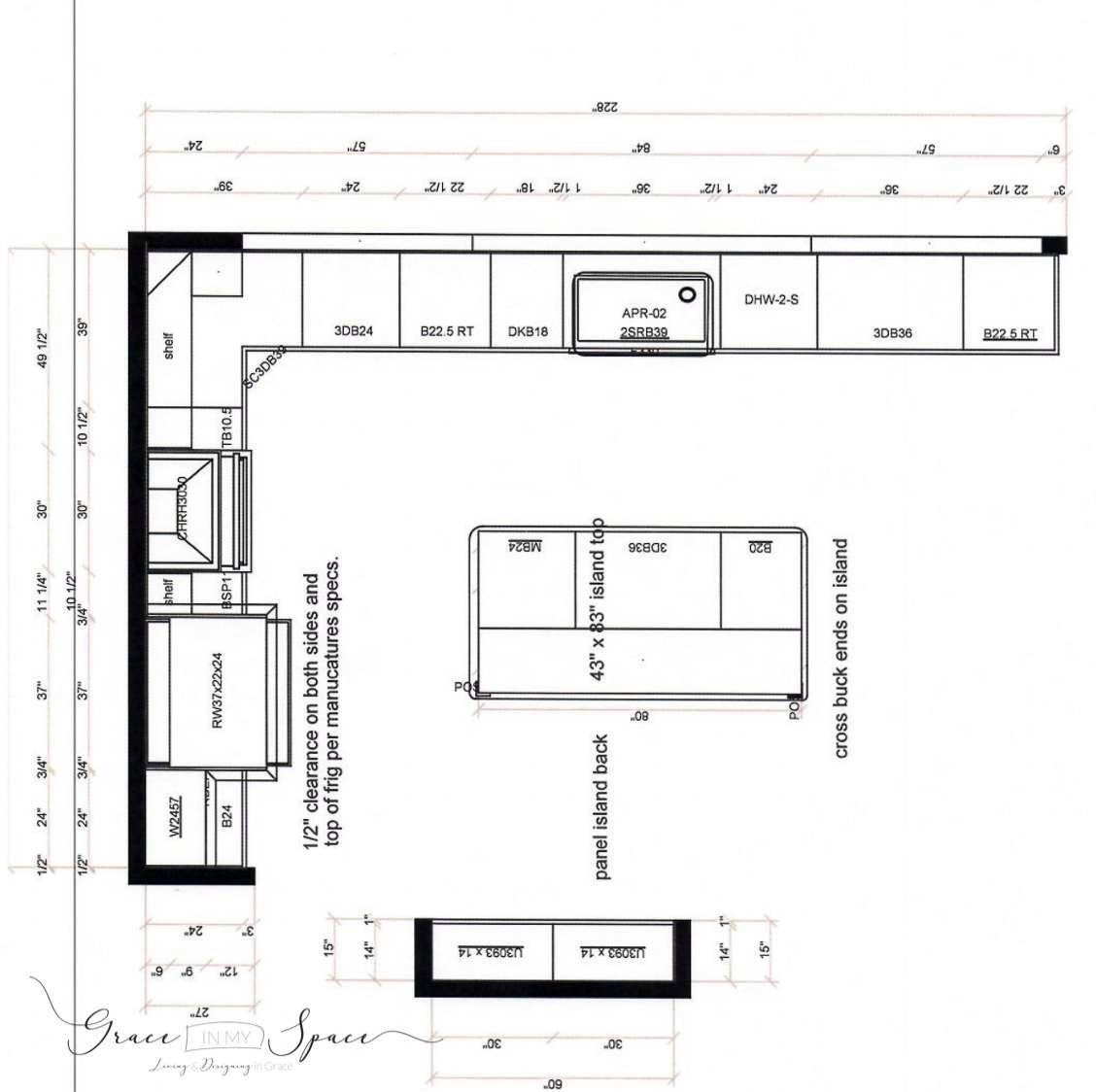
Credit: graceinmyspace.com
Choosing The Right Layout Style
Choosing the right kitchen layout enhances both style and function. Focus on space, ensuring ample room for movement. Consider storage needs and appliance placement to create a practical, inviting kitchen area.
Designing your own kitchen layout can be both exciting and daunting. The key is choosing the right layout style that suits your needs and space. A layout isn’t just about aesthetics; it’s about functionality and flow. Imagine cooking a meal in a space that feels like it was made just for you. That’s the magic of a well-planned kitchen layout.Exploring Popular Kitchen Layouts
Before diving into your design, it’s essential to understand the different kitchen layouts available. Each layout offers a unique way to utilize space and increase efficiency. – Galley Kitchens: These are perfect for compact spaces. They feature two parallel countertops, providing ample room for cooking and storage. Picture a small restaurant kitchen—efficient and easy to navigate. – L-Shaped Kitchens: Ideal for open floor plans. The countertops form an “L,” offering plenty of space for cooking and dining. It’s like having a dedicated area for culinary creativity. – U-Shaped Kitchens: These provide maximum storage and countertop space. Envision a cozy nook where everything is within arm’s reach. – Island Kitchens: Great for large spaces. Adding an island creates a central hub for cooking and socializing. Think of it as the heart of your kitchen, where everyone gathers. Which layout catches your eye?Matching Layouts To Your Space
Choosing the right layout depends on the size and shape of your kitchen. Have you ever tried fitting a square peg into a round hole? That’s what happens when you pick a layout that doesn’t match your space. Measure your kitchen dimensions carefully. This will guide you in selecting a layout that fits like a glove. Consider your lifestyle. Do you host parties often? An island kitchen can be your best friend. Or perhaps you prefer a quiet dinner with family—an L-shaped layout might suit you. Think about storage needs. If you’re a gadget enthusiast, a U-shaped kitchen offers storage galore. Every kitchen has its unique charm. Which layout will elevate yours? Designing a kitchen is like tailoring a suit. It requires precision and understanding of your space. With the right layout, your kitchen can be a place of joy and convenience. Ready to start designing?Prioritizing Functionality And Flow
Designing a kitchen layout involves more than just aesthetics. Functionality and flow are essential elements that ensure your space is efficient. An effective kitchen layout improves daily tasks and prevents unnecessary movement. Focus on creating a seamless environment that caters to your needs.
Optimizing Work Triangle
The work triangle connects the sink, stove, and refrigerator. This triangle should be compact yet spacious. A well-planned triangle reduces steps and saves time. Keep each leg of the triangle between four and nine feet. This distance ensures easy access to cooking essentials.
Ensuring Easy Access And Movement
Movement should be fluid and unobstructed. Avoid placing large appliances in narrow pathways. Wide aisles allow multiple people to work simultaneously. Ensure cabinets and drawers open smoothly without hindering movement. Proper placement of kitchen elements enhances functionality.

Credit: www.roomsketcher.com
Incorporating Storage Solutions
Incorporating storage solutions is essential for an efficient kitchen layout. A well-organized kitchen saves time and reduces clutter. Thoughtful storage enhances your cooking experience. It makes the kitchen a welcoming space for family and friends.
Maximizing Cabinet Space
Cabinets are a kitchen’s primary storage area. Use adjustable shelves to fit items of different sizes. Install pull-out racks to access items easily. Consider lazy Susans for corner cabinets. They utilize awkward spaces efficiently. Vertical dividers can store baking sheets and cutting boards upright. This prevents stacking and makes them easy to grab. Use the inside of cabinet doors for hanging small items. Hooks or slim racks can hold utensils and pot lids.
Innovative Storage Ideas
Innovative storage ideas can transform your kitchen. Use drawer organizers for cutlery and utensils. It keeps them tidy and accessible. Install a pegboard on a wall for hanging pots and pans. This frees up cabinet space and adds a decorative element. Magnetic strips can hold knives or spice jars, saving drawer space. Consider adding toe-kick drawers at the base of cabinets. They provide extra storage for flat items. An island with built-in shelves or drawers offers additional storage. It also serves as a functional work surface.
Selecting Appliances And Fixtures
Designing your own kitchen layout can be exciting. Choosing the right appliances and fixtures is crucial. They define the kitchen’s style and functionality. This section will guide you on selecting energy-efficient appliances. It will also cover how to coordinate fixtures with your design.
Choosing Energy-efficient Appliances
Energy-efficient appliances save money and help the environment. Look for labels like Energy Star. They guarantee the appliance uses less energy. Consider the size and capacity needed for your family. Larger appliances may consume more energy. Choose wisely based on your space and needs.
Coordinating Fixtures With Design
Fixtures should complement your kitchen’s design. Think about colors and materials that match your style. Stainless steel gives a modern look. Brass or copper add warmth and charm. Ensure fixtures fit well with cabinets and countertops. This creates a cohesive and inviting kitchen atmosphere.
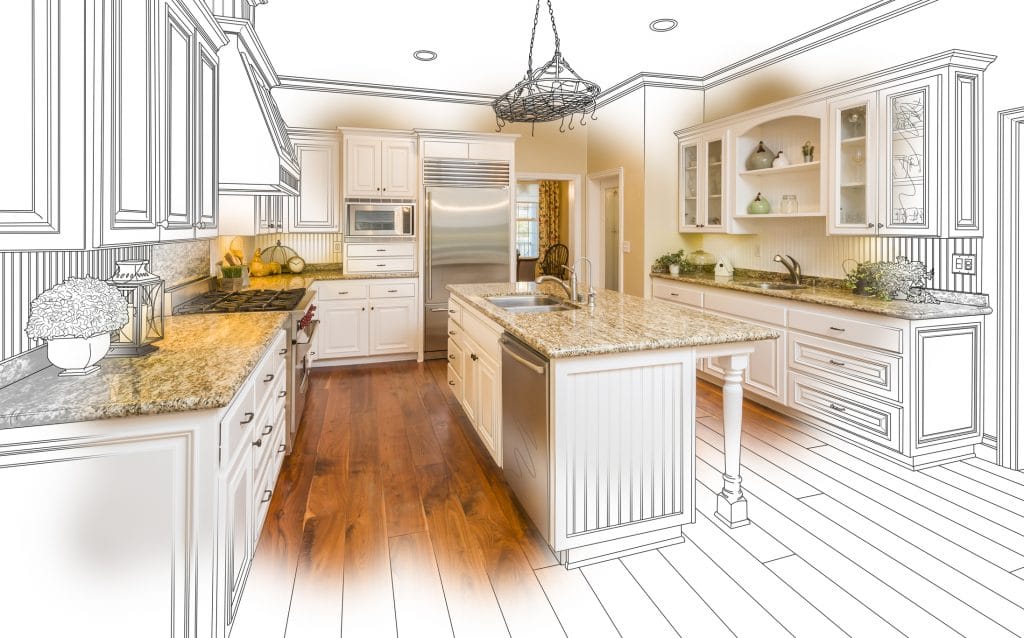
Credit: www.bestonlinecabinets.com
Integrating Lighting Design
Lighting plays a crucial role in kitchen design. It affects mood and functionality. A well-lit kitchen feels inviting and comfortable. Thoughtful lighting enhances cooking and dining experiences. It’s more than just brightening a room. It highlights special features and improves safety. Consider integrating lighting design into your kitchen layout.
Layered Lighting Techniques
Layered lighting adds depth and interest. It combines ambient, task, and accent lighting. Ambient lighting fills the room with general light. Use ceiling fixtures or pendant lights. Task lighting focuses on work areas. Install under-cabinet lights or track lights. Accent lighting highlights features or decor. Think about cabinet lights or spotlights. Layering creates a balanced and functional kitchen.
Highlighting Key Areas
Identify areas needing extra light. The sink, stove, and countertops are crucial. Good lighting here ensures safety and ease. Use pendant lights over islands for a stylish touch. Consider adjustable fixtures for flexibility. Cabinets benefit from interior lighting. It showcases glassware and makes items easy to find. Highlight artwork or architectural features with accent lights. This adds character and personality to your kitchen.
Considering Aesthetics And Style
Create a kitchen layout that reflects your taste by balancing functionality with aesthetics. Choose colors and materials that complement each other, enhancing the overall style. Arrange cabinets and appliances to promote an efficient workflow while maintaining visual appeal.
Designing your kitchen layout is an exciting journey that goes beyond functionality. It’s about crafting a space that reflects your personal taste and complements your home’s overall vibe. Considering aesthetics and style is crucial in creating a kitchen that isn’t just practical but also visually appealing. This section will guide you through aligning your kitchen with your home decor and choosing the right color schemes and materials.Aligning With Home Decor
Your kitchen should feel like a natural extension of your home. Take a moment to walk through your house. Notice the styles and themes that make your living spaces unique. Is it modern, rustic, or perhaps vintage? These elements should seamlessly flow into your kitchen design. Think about the textures and finishes present in your home. If your living room boasts exposed wooden beams, consider using similar wood accents in the kitchen. This creates a harmonious transition from one area to another, making your home feel cohesive and thoughtfully designed. Open shelving is a great way to display beautiful dishware that ties into your home’s style. When I redesigned my kitchen, I chose open shelves to showcase my collection of antique teacups. It not only added a personal touch but also created a visual link to the vintage feel of the rest of my home.Choosing Color Schemes And Materials
Colors can dramatically alter the mood of a room. Start by identifying a primary color that resonates with you. Neutral shades like whites or grays offer timeless appeal, while bold colors like navy or forest green can make a striking statement. Consider the materials that will complement your chosen color scheme. If you’re going for a sleek, modern look, stainless steel appliances paired with glossy cabinets might be the way to go. For a more traditional feel, you might choose warm woods and classic marble countertops. Textures add depth and interest. Mixing materials like wood, metal, and glass can create a dynamic and inviting space. Don’t be afraid to experiment with different combinations until you find the perfect mix. What colors make you feel happy and relaxed? Incorporate those into your kitchen design. When I chose a calming sage green for my kitchen walls, it brought a sense of tranquility every time I cooked or entertained guests. Your kitchen is more than just a place to prepare meals. It’s a space where memories are made, conversations flow, and your personal style shines. By thoughtfully considering aesthetics and style, you can create a kitchen that truly feels like home.Planning For Future Needs
Designing your kitchen layout is not just about meeting your current needs, but also planning for the future. As your lifestyle evolves, your kitchen should be able to adapt seamlessly. Whether you’re considering a growing family, new hobbies, or advancing technology, future-proofing your kitchen can save you time and money down the line. Let’s delve into how you can plan your kitchen layout with future needs in mind.
Adapting To Lifestyle Changes
Think about how your life might change over the next few years. Will you need more space for entertaining guests, or perhaps a larger pantry as your family grows? These are questions worth pondering.
Consider adding flexible storage solutions that can expand or adjust as needed. Stackable shelves and modular cabinets are great for accommodating lifestyle changes.
My friend realized she needed more counter space when her baking hobby turned into a small business. Adding a movable island was a game-changer for her.
Incorporating Smart Technology
Smart kitchens are more than a trend; they’re becoming a necessity. Think about integrating technology that can make life easier and more efficient.
Consider appliances that can be controlled remotely or kitchen lighting that adjusts based on your mood or time of day. These features enhance convenience and efficiency.
Imagine being able to preheat your oven from your phone on your way home from work. It’s not just cool; it’s practical.
Have you thought about how technology can help you save energy or streamline your cooking process?
Smart technology in your kitchen layout can increase home value and appeal to tech-savvy buyers in the future.
By anticipating and planning for these changes, you’ll ensure your kitchen remains functional and stylish for years to come.
Frequently Asked Questions
Is There An App To Design A Kitchen Layout?
Yes, several apps help design kitchen layouts. Popular options include IKEA Kitchen Planner, Houzz, and HomeByMe. These apps offer user-friendly tools to create and visualize your kitchen design. They provide features like 3D rendering, customizable layouts, and a vast library of kitchen elements.
What Is The 3×4 Kitchen Rule?
The 3×4 kitchen rule ensures an efficient layout. It suggests a kitchen should be at least 3 meters by 4 meters. This space allows for adequate room to cook, move, and store items, promoting functionality and comfort in the kitchen area.
How Can I Design My Kitchen Layout?
Begin by assessing your kitchen space and identifying work zones. Choose a layout that maximizes efficiency. Incorporate storage solutions and prioritize natural light. Consider appliance placement for easy access. Consult a professional for optimal design advice.
How Do I Decide Where To Put Things In My Kitchen?
Organize your kitchen by keeping frequently used items within easy reach. Store pots near the stove and utensils in accessible drawers. Place food items in designated cabinets or pantry. Keep cleaning supplies under the sink. Use labels and dividers for better organization and efficiency.
Conclusion
Creating your own kitchen layout can be fun and rewarding. Think about what you need most. Keep the space practical and stylish. Remember, a good layout boosts both function and appeal. Make sure it fits your lifestyle. Adjust as your needs change.
Trust your instincts and enjoy the process. A personalized kitchen brings joy every day. Use the tips you learned. Get creative. Your dream kitchen is within reach. Start planning today. You’ll love cooking and entertaining in a space that feels just right.