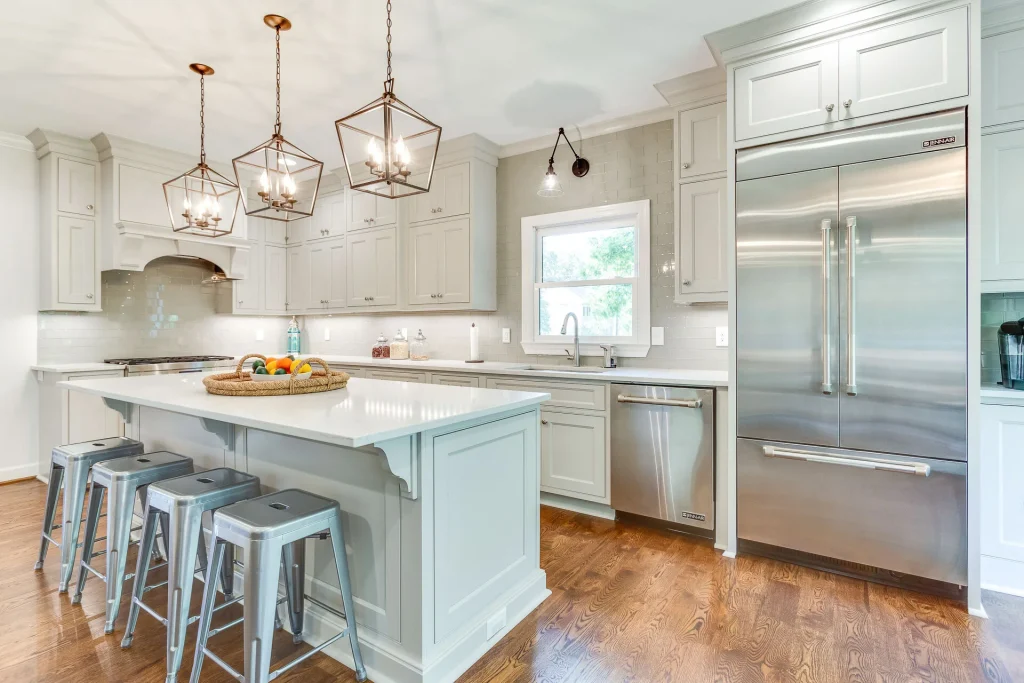
Imagine walking into your kitchen, and instead of a welcoming and functional space, you find it dimly lit and uninspiring. You deserve a kitchen that not only serves as the heart of your home but also enhances your culinary adventures and family gatherings.
The secret to transforming your kitchen into this inviting and efficient space lies in the lighting design. Lighting can dramatically change the mood and functionality of your kitchen. It can make a small space feel larger, highlight your favorite features, and even boost your mood while cooking or entertaining.
But how do you design lighting that truly works for your kitchen? You might be wondering where to start, what to prioritize, and how to achieve that perfect balance of style and practicality. You’ll discover practical tips and expert advice to help you create a lighting plan that meets your unique needs. Whether you’re planning a full remodel or simply looking to upgrade, these insights will guide you in illuminating your kitchen like never before. Keep reading to unlock the potential of your kitchen with lighting that works wonders.
Assessing Kitchen Needs
Lighting plays a crucial role in kitchen design. It enhances functionality and style. Before choosing fixtures, assess the kitchen’s needs. Understanding these needs ensures the perfect lighting setup. This process involves examining key areas and their functionality.
Identifying Key Areas
First, identify the main areas in the kitchen. These include workspaces, dining areas, and walkways. Each area has unique lighting needs. For example, countertops require bright task lighting. This helps in food preparation. Dining areas benefit from softer, ambient lighting. It creates a warm, inviting atmosphere. Walkways need sufficient light for safety. Identifying these areas guides the lighting design process.
Understanding Functionality
Understanding the functionality of each area is essential. Task lighting is vital for food prep zones. It reduces shadows and enhances visibility. Accent lighting highlights architectural features. It adds depth and interest to the kitchen design. Ambient lighting provides overall illumination. It ensures a comfortable and welcoming space. Consider how each light source will be used. This approach creates a balanced and efficient kitchen lighting plan.

Credit: dkorinteriors.com
Types Of Kitchen Lighting
Designing lighting for your kitchen involves more than picking fixtures. Each type of lighting serves a unique purpose. A well-lit kitchen blends ambient, task, and accent lighting. This combination ensures functionality and style. Let’s explore these types of lighting in detail.
Ambient Lighting
Ambient lighting provides general illumination. It sets the mood and overall brightness. Ceiling-mounted fixtures often deliver this light. Recessed lights or large pendants work well too. This lighting ensures no dark corners in the kitchen.
Task Lighting
Task lighting focuses on specific areas. It helps with tasks like chopping or reading recipes. Under-cabinet lights are a popular choice. They shine directly on countertops. Pendant lights over islands also serve this purpose. This lighting reduces strain on the eyes.
Accent Lighting
Accent lighting adds depth and highlights features. It draws attention to elements like artwork or glass cabinets. Strip lights inside cabinets can showcase fine dishware. Track lighting highlights architectural details. This lighting creates a layered look.
Choosing Light Fixtures
Consider task lighting for countertops to brighten work areas. Pendant lights add style over islands. Under-cabinet lights enhance visibility and ambiance.
Choosing the right light fixtures for your kitchen is essential. Proper lighting enhances both functionality and aesthetics. It can make your kitchen tasks easier and the space more inviting. A well-lit kitchen can transform your cooking experience, making it more enjoyable. Selecting the perfect fixtures requires understanding the types available. Each type serves different purposes and offers unique benefits. Here’s a detailed guide to help you choose the best lighting fixtures for your kitchen.Ceiling Fixtures
Ceiling fixtures provide ambient lighting. They are the primary source of light in most kitchens. Consider flush mount or semi-flush mount fixtures. These offer a clean look and are ideal for low ceilings. For higher ceilings, chandeliers add elegance and style. Choose a fixture that complements your kitchen’s design. Ensure the fixture provides enough light coverage. This helps avoid dark spots and shadows. Opt for adjustable fixtures for flexibility. This allows you to change the light intensity based on your needs.Under-cabinet Options
Under-cabinet lighting is vital for task illumination. It brightens countertops and makes cooking safer. LED strip lights are energy-efficient and easy to install. They provide a consistent light spread across surfaces. Puck lights offer focused light for specific areas. They’re great for illuminating small sections. Under-cabinet lights should be warm-toned. This creates a cozy and inviting atmosphere. Choose dimmable options for greater control. Adjust the brightness for different tasks and moods.Pendant Lights
Pendant lights add style and focus to your kitchen. They are perfect for islands and dining areas. Choose pendants with adjustable height for versatility. This allows you to modify the ambiance as needed. Glass pendants provide a clean and modern look. Metal pendants add industrial charm. Consider the size and scale of your space. Large pendants suit spacious kitchens. Small pendants fit compact areas better. Mix and match styles for a unique appearance. Ensure the pendants complement the overall kitchen design.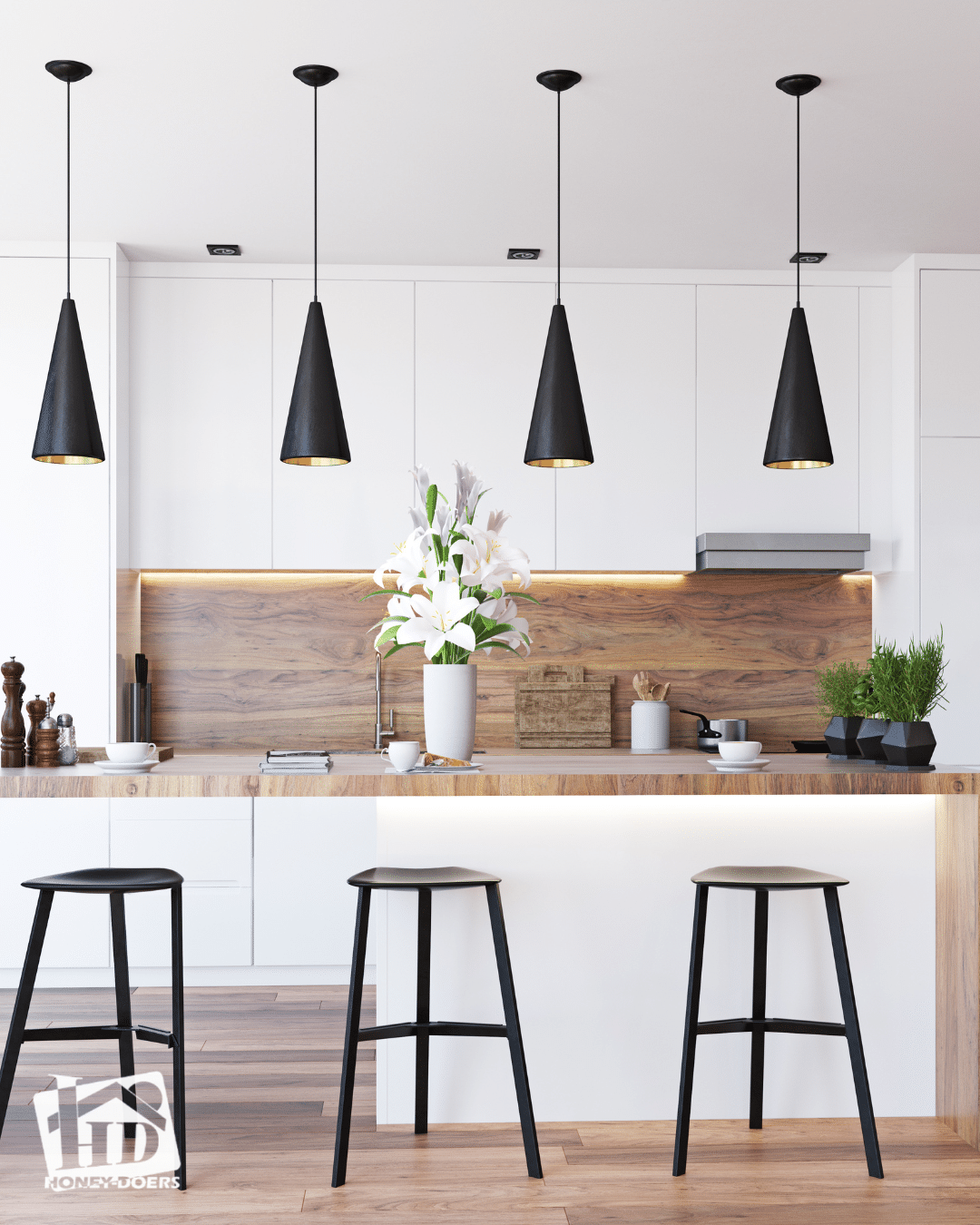
Credit: www.honey-doers.com
Selecting The Right Bulbs
Choosing the right bulbs is essential for kitchen lighting design. Opt for LED bulbs to ensure energy efficiency and longevity. Select warm white tones to create a cozy atmosphere while brightening workspaces effectively.
Selecting the right bulbs for your kitchen can transform not just the look of the space, but also the way you feel while cooking or spending time there. You might have a sleek kitchen design, but without appropriate lighting, it can fall flat or even become impractical. Choosing the right bulb is crucial to achieving both functionality and ambiance. Let’s dive into some key considerations when picking the perfect bulbs for your kitchen.Led Vs. Incandescent
When deciding between LED and incandescent bulbs, consider energy efficiency and longevity. LEDs are more energy-efficient, using up to 75% less energy than incandescent bulbs. They also last longer, which means fewer trips to the store and less hassle changing bulbs. Incandescent bulbs, on the other hand, offer a warm and traditional glow that some people prefer. However, they consume more energy and burn out faster. The initial cost of LED bulbs might be higher, but they save you money in the long run. Which would you choose: the classic warmth or modern efficiency?Color Temperature Considerations
Color temperature can dramatically affect the mood of your kitchen. Warmer temperatures (around 2700K to 3000K) create a cozy and inviting atmosphere, perfect for family gatherings. Cooler temperatures (3500K to 5000K) enhance visibility, making them ideal for task-oriented areas like countertops or islands. Think about how you use your kitchen. Do you enjoy intimate dinners, or is it more of a bustling workspace? Adjusting color temperature can help you tailor the kitchen environment to your lifestyle. Consider using a mix of both to strike a balance between warmth and utility. Remember, the right lighting can make all the difference in your kitchen. Choose bulbs that not only illuminate your space but also align with your daily activities and personal style.Incorporating Natural Light
Lighting transforms a kitchen into a vibrant and welcoming space. Incorporating natural light creates a bright, airy atmosphere. This enhances the room’s functionality and aesthetic appeal. Natural light makes the kitchen feel spacious and inviting. It also helps in reducing energy costs. Properly designing natural light involves strategic planning. Let’s explore how to maximize windows and use reflective surfaces.
Maximizing Windows
Windows are crucial for letting in natural light. Choose the right window size to boost brightness. Larger windows allow more light to enter. They create a cheerful environment. Position windows strategically to capture sunlight throughout the day. South-facing windows bring in the most light. Keep window treatments minimal to avoid blocking light. Sheer curtains work well. They soften light without obstructing it.
Consider adding skylights for overhead illumination. They introduce light from above, enhancing the kitchen’s glow. Skylights are perfect for rooms with limited wall space. Ensure windows are clean to maximize light entry. Dirt and grime can reduce brightness. Regular cleaning keeps windows clear and effective.
Using Reflective Surfaces
Reflective surfaces amplify natural light. They help distribute light evenly across the kitchen. Use glossy tiles or countertops to reflect light. These surfaces bounce light around the room. Mirrors are excellent for enhancing brightness. Place mirrors opposite windows to increase light flow. They create an illusion of more space.
Consider reflective appliances. Stainless steel appliances not only look sleek. They also reflect light effectively. Light-colored walls and cabinets brighten the space. Opt for whites or pastels to enhance light reflection. Avoid dark colors; they absorb light. Incorporate glass elements like doors or shelves. Glass surfaces add elegance and boost light distribution.
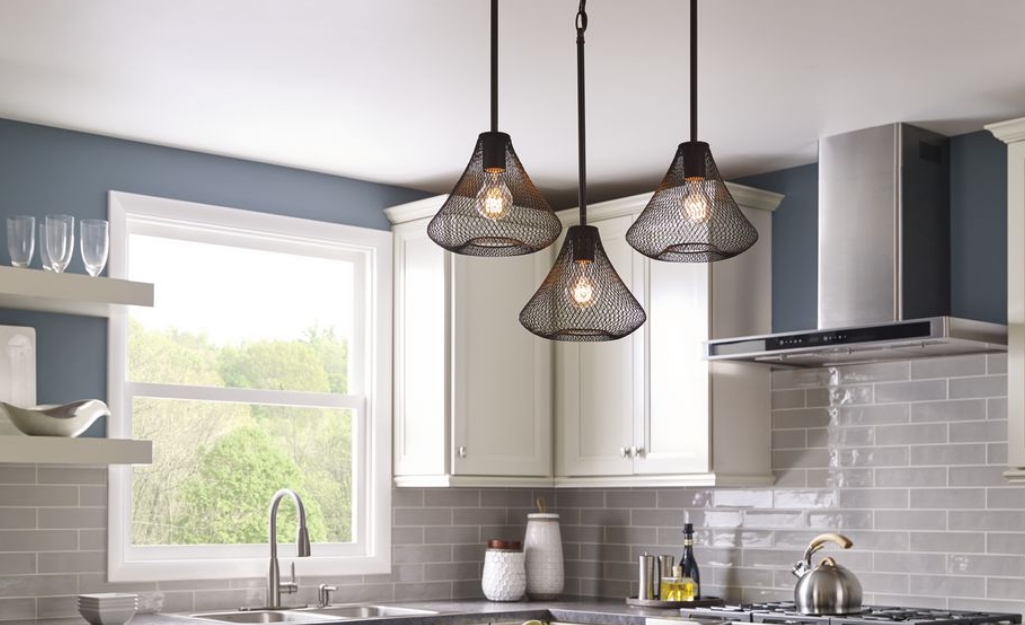
Credit: www.homedepot.com
Energy Efficiency Tips
Designing kitchen lighting involves choosing efficient fixtures that enhance functionality and reduce energy use. Consider LED lights for task areas like counters and islands. Ceiling lights can provide overall illumination, while under-cabinet lighting adds focus, creating a well-lit and energy-saving kitchen space.
Designing kitchen lighting with energy efficiency in mind is not only good for your wallet but also for the environment. It’s about making smart choices that reduce energy consumption while still creating a bright and welcoming space. With the right strategies, you can enjoy a well-lit kitchen without skyrocketing your energy bills.Smart Lighting Solutions
Consider LED lights. They use up to 75% less energy than traditional bulbs and last significantly longer. Their small size and versatility make them perfect for under-cabinet lighting or accent lights. Think about smart bulbs. These can be controlled via apps on your smartphone, allowing you to turn off lights remotely or schedule them to switch off at certain times. A friend once shared how they saved on energy costs simply by setting their kitchen lights to automatically dim after dinner.Dimmers And Controls
Installing dimmer switches is another effective way to save energy. They allow you to adjust the brightness based on the task at hand, whether chopping veggies or setting a mood for a cozy dinner. Motion sensors can be a game-changer. They ensure lights are only on when needed, especially in areas like the pantry or utility rooms. Ever walked into a pantry and fumbled for the light switch? Motion sensors solve this problem while conserving energy. Energy-efficient lighting in your kitchen doesn’t mean compromising on style or functionality. What small changes could you make today to start saving energy and money? Embrace these tips and watch your kitchen become both a haven of efficiency and comfort.Aesthetic Considerations
Creating a cozy kitchen relies on lighting design. Balance overhead lights with under-cabinet fixtures for practical elegance. Choose warm tones to enhance the space’s inviting feel.
Designing lighting for your kitchen isn’t just about function; it’s also about creating an atmosphere that complements your style. Aesthetic considerations play a crucial role in this. Whether your kitchen exudes a rustic charm or a modern vibe, your lighting choices should enhance the overall look. This section will delve into how you can make your kitchen lighting both functional and visually appealing.Matching Kitchen Decor
Your kitchen lighting should seamlessly blend with your existing decor. Think of your kitchen as a canvas, and the lighting as the final brushstroke that completes the picture. If your kitchen features vintage elements, consider using pendant lights with a retro finish. On the other hand, sleek, minimalistic lights work well in a modern kitchen. It’s all about creating harmony between your lighting fixtures and the rest of your kitchen. Choose materials and colors that echo your cabinets, countertops, and appliances. Lighting can also serve as a subtle accent that ties the room together. Imagine the warm glow of Edison bulbs hanging over a rustic wooden island. This choice can highlight the natural textures and create a cozy ambiance.Creating A Focal Point
Lighting isn’t just functional; it can also be the star of your kitchen. By strategically placing a statement light fixture, you can draw attention to a specific area. Consider hanging a chandelier over your dining table or island. This not only provides ample light but also acts as a conversation starter. Think about what you want to highlight in your kitchen. Is it the island where everyone gathers, or the dining nook where family meals happen? Choose a fixture that demands attention and adds character. A unique fixture can transform an ordinary kitchen into an extraordinary one. Have you ever walked into a room and immediately been captivated by a stunning light fixture? That’s the power of a well-chosen focal point. It can elevate the entire space and leave a lasting impression on anyone who enters. When designing your kitchen lighting, reflect on how you want your space to feel. Is it inviting, vibrant, or serene? By thoughtfully selecting fixtures that match your decor and create focal points, you can achieve the aesthetic you desire. What does your dream kitchen look like under the perfect light?Safety And Maintenance
Proper lighting enhances kitchen safety and maintenance. Bright lights reduce accidents by improving visibility. Easy-to-clean fixtures ensure long-lasting performance.
Designing lighting for your kitchen isn’t just about aesthetics; it’s about ensuring safety and ease of maintenance. The right lighting can prevent accidents and make cleaning a breeze. Remember the time when you fumbled in a dimly lit kitchen, trying to chop veggies for dinner? That’s a scenario best avoided. With proper safety measures and maintenance routines, you can keep your kitchen bright and secure.Ensuring Safe Installation
Safety in the kitchen starts with proper installation of lights. Hire a qualified electrician to do the job. Ensure that all fixtures are securely mounted. Loose fittings can cause accidents. Check that wiring is correctly insulated and protected from moisture. Wet wires are a hazard. Think about the placement: avoid glare by positioning lights away from your direct line of sight. Consider using LED lights, which emit less heat and reduce fire risks. They also last longer.Routine Cleaning Practices
Maintaining kitchen lighting involves regular cleaning. It keeps lights bright and efficient. Dust can accumulate quickly, dimming your lights. Wipe fixtures weekly with a damp cloth. For stubborn stains, a gentle mix of water and vinegar works wonders. Don’t forget to clean light bulbs, too. A clean bulb shines brighter. Inspect for any signs of wear or damage during cleaning. Timely repairs prevent bigger issues. Remember, a clean fixture is not just about looks; it’s about ensuring optimal functionality. So, how often do you clean your kitchen lights?Frequently Asked Questions
How To Layout Lighting In Kitchen?
Consider task lighting for work areas, ambient lighting for overall brightness, and accent lighting for aesthetics. Use under-cabinet lights, pendant lights over islands, and recessed lights for even distribution. Balance functionality with style to create a welcoming and efficient kitchen space.
What Is The Rule For Kitchen Lighting?
Use layered lighting: ambient, task, and accent. Install under-cabinet lights for tasks. Choose energy-efficient bulbs. Ensure even distribution. Consider dimmers for flexibility.
What Is The Formula For Kitchen Lighting?
Calculate kitchen lighting by using 70-100 lumens per square foot. Measure your kitchen area, then multiply by lumen range. Choose task lighting for workspaces and ambient lighting for overall illumination. Consider adjustable fixtures to optimize brightness and energy efficiency. Proper lighting enhances functionality and mood in your kitchen space.
How To Decide On Kitchen Lighting?
Consider task, style, and ambient lighting. Use pendant lights for islands. Opt for under-cabinet lights for counters. Choose dimmable options for flexibility. Select energy-efficient LED bulbs. Ensure the lighting complements your kitchen’s design.
Conclusion
Lighting transforms the kitchen into a welcoming space. Proper design combines function and style. It highlights cooking areas and sets the mood. Consider task lighting for work zones. Add ambient lights for a warm atmosphere. Accent lights bring focus to special features.
Flexibility in lighting choices enhances usability. Experiment with layering different types. Use dimmers to adjust brightness. Ensure enough light for safety and comfort. Keep energy efficiency in mind. Choose fixtures that match your kitchen’s theme. A well-lit kitchen inspires creativity and makes cooking enjoyable.
Plan carefully for a bright, cheerful kitchen environment.