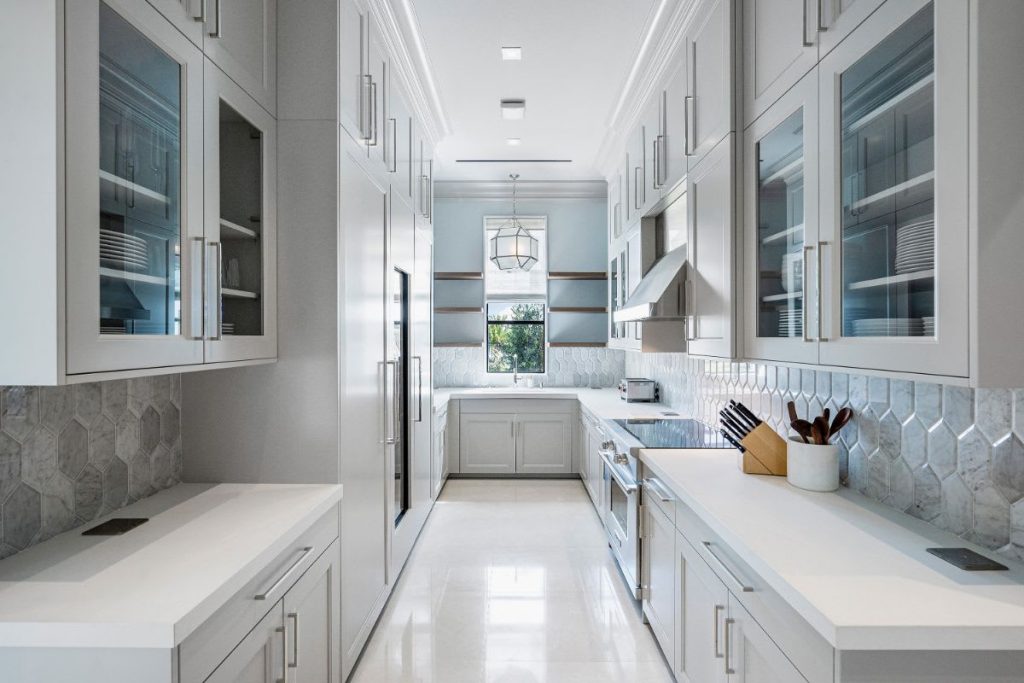
Imagine stepping into a kitchen where every element is meticulously crafted not just for cooking, but to meet a higher standard of dietary laws. This is the essence of a kosher kitchen design.
But what makes it so unique? And why should you consider it for your home? You’re about to uncover the secrets of a kitchen layout that offers more than just style and functionality. A kosher kitchen is all about harmony, precision, and respect for tradition, and it has a lot to offer, even if you’re not following kosher laws yourself.
Curious to know how this design can transform your cooking space and elevate your lifestyle? Stick around and discover the fascinating world of kosher kitchen design. You might just find the inspiration you’ve been looking for.
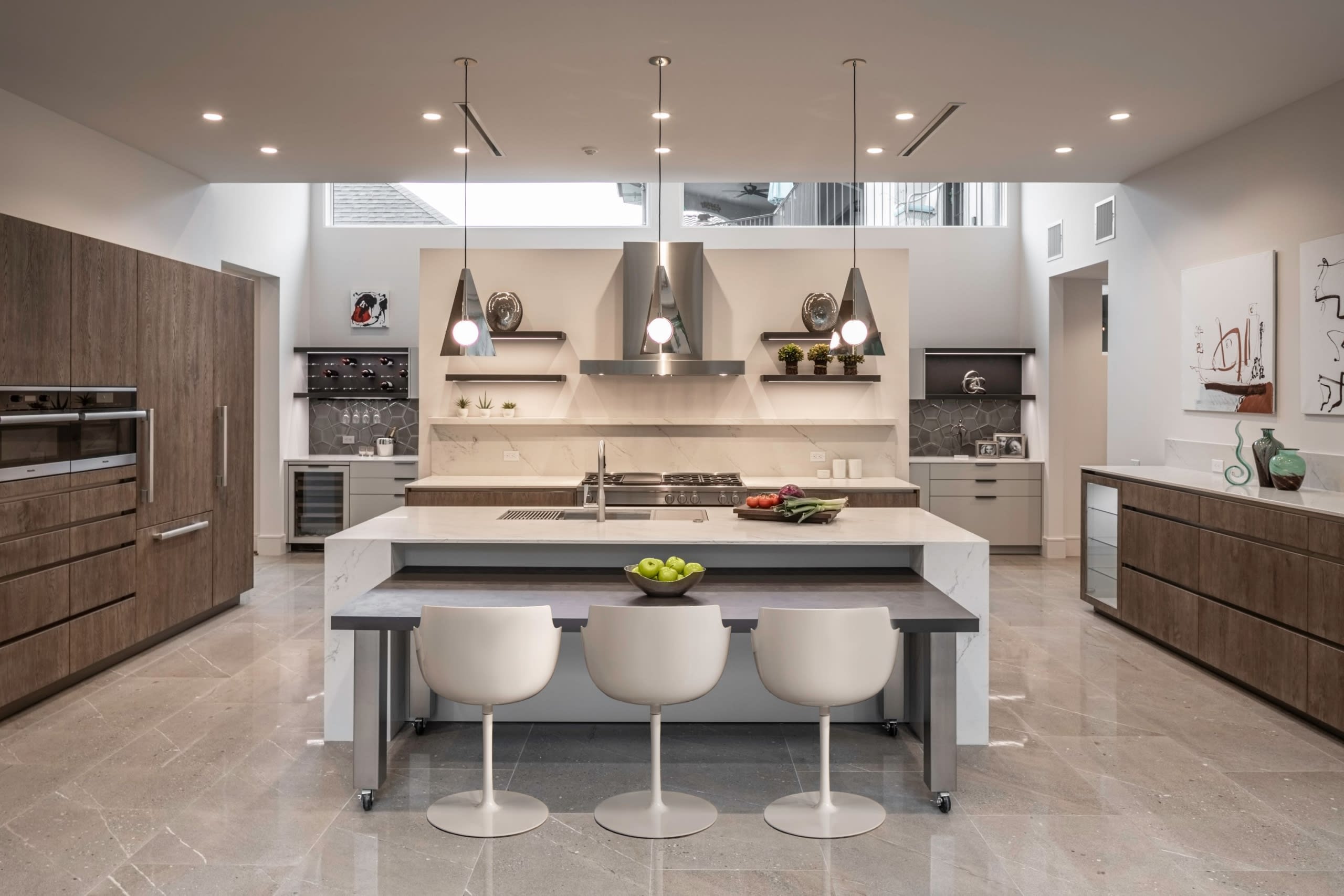
Credit: eggersmannusa.com
Principles Of Kosher Kitchen
A kosher kitchen follows specific guidelines. These rules ensure food meets Jewish dietary laws. The design of such a kitchen holds significant importance. It helps maintain the integrity of kosher food preparation.
Understanding these principles is vital. It helps in creating a functional and compliant kitchen space. Let’s explore the core principles of kosher kitchen design.
Separate Areas For Meat And Dairy
One key principle is the separation of meat and dairy. Kosher kitchens have distinct areas for preparing each type of food. This prevents cross-contamination, keeping the kitchen kosher.
Dedicated Utensils And Appliances
In a kosher kitchen, utensils and appliances are dedicated. Separate sets exist for meat and dairy. This includes pots, pans, and even dishwashers. This separation maintains the purity of kosher cooking.
Proper Sink Arrangement
Sinks in kosher kitchens are often separate. There might be two sinks or a sink with a divider. This setup helps wash meat and dairy items separately.
Storage Solutions For Kosher Items
Storage plays a crucial role. Kosher kitchens use labeled cabinets for meat and dairy items. This organization prevents mixing and maintains kosher standards.
Strict Cleaning Practices
Cleaning is vital in kosher kitchens. Surfaces must be thoroughly cleaned. This ensures no residue from meat or dairy remains. Frequent cleaning keeps the kitchen in line with kosher laws.
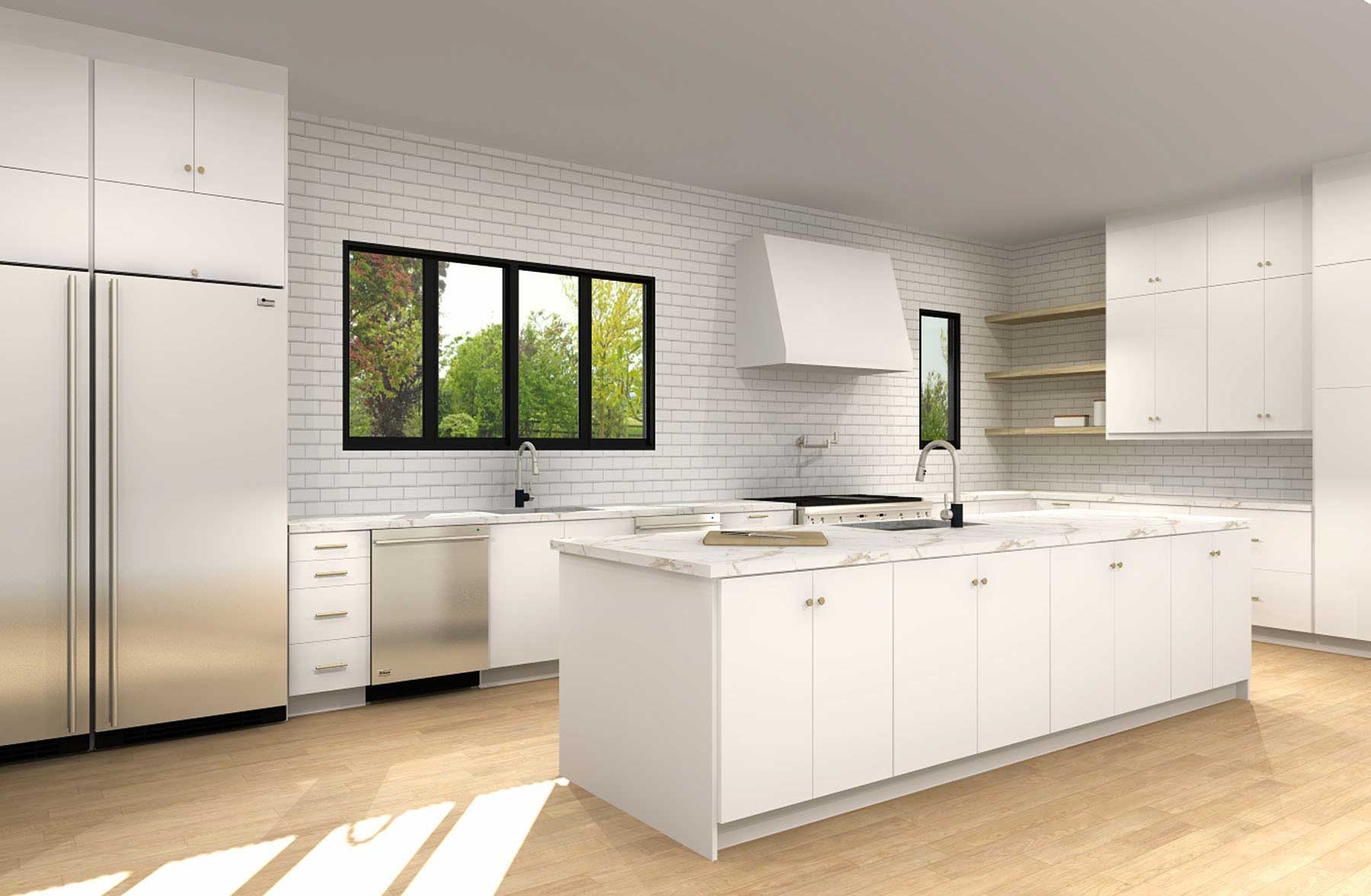
Credit: inspiredkitchendesign.com
Separation Of Meat And Dairy
In a kosher kitchen, the separation of meat and dairy is crucial. This practice aligns with Jewish dietary laws. These laws require distinct handling of meat and dairy products. A kosher kitchen design ensures both are kept separate. This separation maintains purity and compliance with kosher standards. Let’s explore the essential elements of this design.
Distinct Zones
A kosher kitchen features distinct zones for meat and dairy. Each zone serves a specific purpose. They prevent cross-contamination between meat and dairy. These zones include separate preparation areas. They may also have dedicated counters. This clear division keeps the kitchen organized and kosher-compliant.
Dedicated Utensils
Utensils in a kosher kitchen must be separate for meat and dairy. This includes pots, pans, and cutlery. Each type of food requires its own set of tools. Labeling helps in identifying which utensils are for meat or dairy. This practice prevents mixing and maintains kosher integrity. Dishwashers may also be separate or used with caution. Proper management of utensils is vital in a kosher kitchen.
Kosher Appliances
Kosher kitchen design focuses on separating meat and dairy utensils and appliances. This includes having distinct sinks, ovens, and dishwashers. Such design ensures adherence to Jewish dietary laws, promoting a harmonious cooking environment.
When you think about designing a kosher kitchen, the appliances play a crucial role. Kosher appliances are specifically chosen to adhere to dietary laws, ensuring that every meal is prepared in accordance with kosher guidelines. It’s not just about selecting any stove or refrigerator; it’s about choosing the right tools that make keeping kosher simple and effective. One time, I visited a friend’s home during Passover, and their kosher kitchen was a masterclass in efficiency. They had chosen appliances that made keeping kosher during this busy time effortless.Stoves And Ovens
Stoves and ovens in a kosher kitchen often need to accommodate separate cooking zones. You might have two ovens, one for meat dishes and another for dairy, to prevent cross-contamination. Consider the layout of your kitchen. Will you have a range with multiple burners to cook different foods simultaneously? Dual-fuel ranges can be a great choice, offering flexibility with gas and electric options. Reflect on your cooking habits. Do you often prepare large meals? A double oven can be a lifesaver during holidays when you’re cooking multiple dishes at once.Refrigerators And Freezers
Refrigerators and freezers in a kosher kitchen may require special attention. You might need separate units or dual-zone models to store meat and dairy products separately. Think about accessibility. Would you prefer a bottom freezer or side-by-side doors? Ensure there’s enough space for kosher-friendly organization. Consider energy efficiency. A refrigerator with adjustable shelves can help you maintain order while conserving energy. Designing a kosher kitchen isn’t just about following rules—it’s about creating a space that fits your lifestyle and supports your dietary choices. How will you ensure your kitchen is both functional and welcoming?Sinks And Plumbing
Kosher kitchen design prioritizes cleanliness and separation. Separate sinks and plumbing systems help maintain dietary laws by keeping meat and dairy apart. Thoughtful arrangement ensures efficient workflow while respecting kosher rules.
Designing a kosher kitchen involves more than just adhering to dietary laws; it requires a thoughtful approach to the layout and function of the space. A crucial aspect of this design is the sinks and plumbing. These elements play a pivotal role in maintaining the separation of meat and dairy, which is essential in a kosher kitchen. Let’s explore how you can effectively plan your kitchen’s sinks and plumbing to support kosher practices.Dual Sinks
A kosher kitchen typically features dual sinks to ensure that meat and dairy items remain separate. This separation is not just a preference; it’s a necessity for those observing kosher laws. Imagine preparing a delicious cheese lasagna and a juicy steak for a family dinner. You wouldn’t want the residue from one to contaminate the other. Dual sinks allow you to wash meat dishes in one sink and dairy dishes in another. This setup helps prevent cross-contamination and keeps your kitchen running smoothly. When planning your kitchen, consider the placement of these sinks to maximize efficiency. Having them side by side is convenient, but some opt for separate stations entirely to further ensure separation.Kosher Faucets
Choosing the right faucets is another key element in maintaining a kosher kitchen. You might wonder, what makes a faucet kosher? It’s not about the brand or the price but about functionality. Separate faucets for each sink are crucial to prevent any accidental mixing of meat and dairy. Some homeowners go a step further by installing faucets with different handles or colors to distinguish between them easily. This simple yet effective measure can prevent mistakes, especially in a bustling kitchen environment. Consider adding a pull-out sprayer to your faucets. This addition can make cleaning easier and more thorough, ensuring no residues are left behind. Integrating these elements into your kitchen design can enhance your ability to uphold kosher laws. Have you ever considered how even the smallest changes can impact your daily routine? By planning your sinks and plumbing thoughtfully, you can create a kitchen that not only meets kosher standards but also serves as a functional and enjoyable space for cooking and gathering.Storage Solutions
A kosher kitchen design requires careful planning of storage solutions. Proper organization ensures the separation of meat and dairy items. This helps maintain kosher standards efficiently. Smart storage solutions are essential for an effective kosher kitchen.
Labeling System
Implementing a clear labeling system is vital. Labels help identify kosher items easily. Use color-coded labels for meat, dairy, and pareve items. This reduces confusion and cross-contamination risks. Consistent labeling keeps the kitchen organized.
Separate Cabinets
Separate cabinets are crucial for storing kosher products. Each cabinet should have a designated purpose. Store meat products in one cabinet, dairy in another. This physical separation maintains kosher integrity. Cabinets should be well-marked for easy identification.
Materials And Finishes
Kosher kitchen design emphasizes specific materials and finishes to ensure cleanliness and compliance with dietary laws. Stainless steel and quartz are popular choices for their durability and ease of cleaning. These surfaces help maintain hygiene standards essential in kosher cooking.
Designing a kosher kitchen is more than just an aesthetic decision; it involves thoughtful choices regarding materials and finishes to ensure the kitchen remains functional and adheres to kosher laws. The materials you choose play a crucial role in maintaining cleanliness and preventing cross-contamination. Let’s explore how selecting the right surfaces and finishes can make your kosher kitchen both beautiful and practical.Easy-to-clean Surfaces
In a kosher kitchen, cleanliness is paramount. You need surfaces that can withstand daily cleaning without losing their sheen or durability. Consider materials like quartz or stainless steel, which are known for their resilience and easy maintenance. Imagine cooking a hearty meal for a family gathering. The last thing you want to worry about is scrubbing stubborn stains off your countertops. By choosing easy-to-clean materials, you can focus more on perfecting your recipes and less on cleanup. Think about how often you’ll clean your kitchen. Wouldn’t it be nice if the process was quick and effortless? Opt for materials that require minimal effort to wipe down, ensuring your kitchen stays spotless with ease.Non-porous Options
Non-porous materials are essential in a kosher kitchen to prevent the absorption of food particles and liquids. This is vital for maintaining the separation of meat and dairy, a cornerstone of kosher cooking. Materials like granite and laminate are excellent choices because they don’t allow bacteria to penetrate. Picture this: you’re preparing a delicious dairy dessert right after a meat-based dinner. Non-porous surfaces ensure that no flavors or juices from previous meals seep into your current cooking endeavors. This keeps your kitchen both kosher and hygienic. Consider your own kitchen habits. Do you frequently switch between meat and dairy dishes? If so, selecting non-porous options can save you from potential mishaps and ensure peace of mind. Choosing the right materials and finishes for your kosher kitchen can simplify your culinary routine and enhance your cooking experience. Wouldn’t you agree that investing in quality surfaces could transform your kitchen into a stress-free, kosher-compliant space?Lighting And Ventilation
Kosher kitchen design emphasizes proper lighting and ventilation to ensure cleanliness and comfort. Bright lights help maintain visibility, while effective airflow prevents odors and moisture. These elements contribute to a harmonious cooking environment, aligning with kosher principles and promoting healthy food preparation.
Creating a kosher kitchen involves more than just adhering to dietary rules. Lighting and ventilation play a crucial role in maintaining the sanctity and efficiency of your space. Imagine cooking in a kitchen where every ingredient is visible and every scent is fresh and inviting. This is the magic of effective lighting and ventilation. Let’s explore how you can achieve this in your kosher kitchen.Bright Lighting
Bright lighting is essential in a kosher kitchen to ensure cleanliness and precision. You want to make sure every corner is well-lit, allowing you to see all ingredients and equipment clearly. Consider installing LED lights under cabinets and in pantries for enhanced visibility. Think about the last time you prepared a meal in a dimly lit kitchen. Wasn’t it challenging to discern spices or spot crumbs on the counter? Bright lighting can prevent these issues and enhance your cooking experience. Natural light is another excellent option. If possible, incorporate windows or skylights to bring in sunlight. Not only does this save energy, but it also creates a warm and welcoming atmosphere.Efficient Ventilation
Efficient ventilation is key to maintaining a kosher kitchen’s freshness. Without proper airflow, cooking odors and smoke can linger, affecting the purity of the space. Consider installing a powerful range hood above the stove to capture steam and aromas immediately. Think about a time when a lingering fish odor made your kitchen less inviting. Adequate ventilation can prevent such scenarios, keeping your kitchen fresh and odor-free. Ceiling fans or exhaust fans are also excellent options. They help circulate air, removing unwanted smells and ensuring a comfortable cooking environment. Regular maintenance of these systems is crucial to keep them functioning effectively. Lighting and ventilation might seem like minor details, but they significantly impact your kosher kitchen’s efficiency and ambiance. How will you upgrade your kitchen to create a more pleasant and practical space?Kosher Certification
Kosher kitchen design involves organizing the kitchen to maintain the separation of meat and dairy products. Separate utensils, cookware, and storage areas ensure compliance with kosher laws. Thoughtful layout and planning prevent cross-contamination, supporting a kosher lifestyle.
Kosher Certification is more than a label—it signifies adherence to specific dietary laws and principles. When designing a kosher kitchen, achieving kosher certification ensures that the space is optimized for maintaining these standards. This involves careful planning and execution, emphasizing the separation of meat and dairy, among other requirements. Effective kosher kitchen design starts with consulting experts.Consulting With Authorities
Connecting with kosher certification authorities is crucial. These professionals provide guidance on layout and materials. They help you understand the nuances of kosher laws. Seek their advice on appliance placement and storage solutions. Their input is invaluable for achieving a fully functional kosher kitchen. Have you considered how these decisions impact daily cooking routines?Ongoing Compliance
Certification is not a one-time event—it requires continuous effort. Regular inspections and updates ensure that standards are consistently met. Stay informed about any changes in kosher regulations. This proactive approach prevents non-compliance issues. Do you have a plan for maintaining compliance in your kitchen? Creating a kosher kitchen may seem daunting. However, with expert advice and ongoing diligence, it becomes manageable. This journey not only enriches your culinary space but also deepens your understanding of kosher traditions.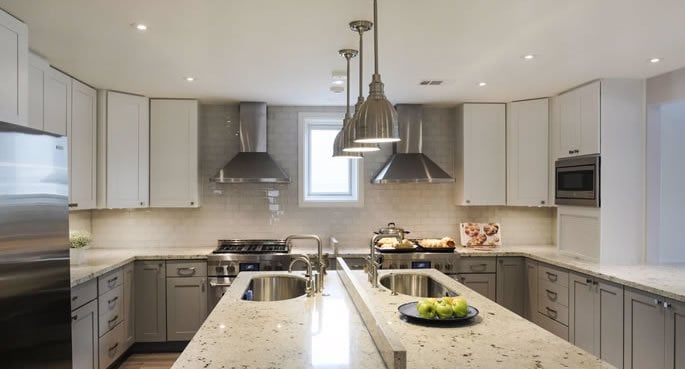
Credit: www.chabad.org
Frequently Asked Questions
What Is A Kosher Kitchen Design?
A kosher kitchen design separates meat and dairy preparation areas. It includes distinct sinks, utensils, and appliances. This layout follows Jewish dietary laws, enhancing food purity. Proper labeling and organization prevent cross-contamination, maintaining kosher standards and facilitating efficient cooking.
What Qualifies A Kosher Kitchen?
A kosher kitchen separates meat and dairy items, uses specific utensils for each, and adheres to Jewish dietary laws. It requires rabbinical supervision, ensuring food preparation follows kosher guidelines. Proper cleaning and storage practices are essential to maintain kosher status.
What Is The Point Of A Kosher Kitchen?
A kosher kitchen ensures food preparation aligns with Jewish dietary laws. It separates meat and dairy utensils, cookware, and storage. This setup maintains religious observance, reduces cross-contamination, and upholds spiritual cleanliness. Many find peace in following traditions and respect cultural practices through a kosher kitchen’s organized system.
What Is The Difference Between A Regular Kitchen And A Kosher Kitchen?
A regular kitchen has no specific dietary rules. A kosher kitchen follows Jewish dietary laws, separating meat and dairy, and using kosher-certified ingredients and utensils. Kosher kitchens require careful food preparation and storage to maintain religious compliance.
Conclusion
Kosher kitchen design blends tradition with modern needs. It ensures food preparation stays pure. This design respects dietary laws, fostering a harmonious space. Attention to detail is key in every aspect. From separate sinks to distinct cookware, the layout matters.
It creates an efficient, organized environment. Clear separation of meat and dairy is essential. Kosher kitchens promote cleanliness and respect religious practices. They offer functionality without sacrificing style. Designing a kosher kitchen requires careful planning. It transforms ordinary spaces into places of peace.
This unique design provides a balance of tradition and modern living.