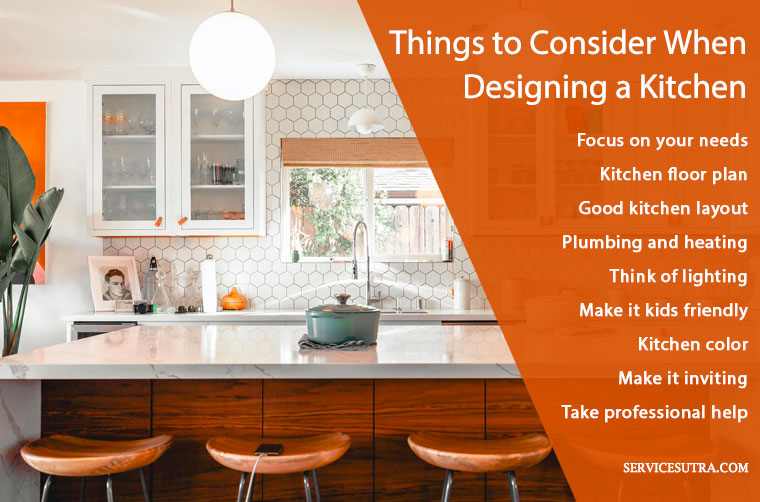
When you think about designing a kitchen, it might feel like you’re about to dive into a complex puzzle. With so many choices and decisions, it’s easy to feel overwhelmed.
But what if this process could be exciting and rewarding? Imagine walking into a kitchen that doesn’t just look stunning but also works perfectly for your lifestyle. That’s the dream, right? You’ll discover the key elements to consider for a kitchen design that marries beauty with functionality.
We’ll guide you through each step, making sure your kitchen becomes a space where you’ll love spending time and creating memories. Ready to transform your cooking space into the heart of your home? Let’s get started!
Layout And Workflow
The kitchen is the heart of the home. Its design affects daily life. A well-planned layout improves efficiency and comfort. Understanding layout and workflow is key in kitchen design. It enhances cooking, cleaning, and social interaction. Explore the essentials to create an effective kitchen space.
Work Triangle Concept
The work triangle is a classic kitchen design principle. It connects the sink, stove, and refrigerator. These are the main work areas. The triangle should be compact, yet not cramped. It helps reduce unnecessary steps. This improves cooking efficiency and reduces fatigue. Maintain a clear path between these points.
Zoning And Functional Areas
Divide the kitchen into distinct zones. Each zone serves a specific purpose. Prepare food in one area. Cook in another. Store items in a third. This organization streamlines tasks and reduces clutter. It creates a more pleasant cooking environment.
Traffic Flow
Consider how people move through the kitchen. Avoid placing major appliances in busy pathways. Ensure easy access to the fridge and pantry. This reduces interruptions during meal prep. A well-planned traffic flow keeps the kitchen safe and functional.
Storage Solutions
Designing a kitchen involves considering storage solutions that maximize space and accessibility. Ensure cabinets and drawers are placed for easy reach and daily use. Choose versatile storage options to keep your kitchen organized and functional.
Designing a kitchen is a journey where every decision counts, especially when it comes to storage solutions. A well-organized kitchen not only looks appealing but also enhances functionality and ease of use. Have you ever opened a cabinet and marveled at how everything fits perfectly? That’s the magic of smart storage. Let’s dive into some key areas that can transform your kitchen into a clutter-free haven.Cabinet Options
Choosing the right cabinets is crucial. Do you prefer open shelves for easy access or closed cabinets to hide away clutter? Both have their merits. Open shelves make it easy to grab everyday items quickly. However, they require regular tidying to look neat. Closed cabinets, on the other hand, offer a sleek look and keep your kitchen looking organized with minimal effort. Consider adjustable shelving. It allows you to customize the space according to your needs. For instance, you can make space for tall cereal boxes or stackable containers.Pantry Design
A well-planned pantry is a game-changer. Does your kitchen have a dedicated space for a pantry? If not, you might think about creating one. Even a small pantry can be highly efficient with the right approach. Use clear containers to store dry goods. This not only keeps items fresh but also helps you see what needs replenishing at a glance. Think about adding pull-out shelves or baskets. They make accessing items at the back much easier. No more forgotten cans or expired goods hiding in the corners.Innovative Storage Ideas
Innovation is key to maximizing space. Have you ever considered using the area under your sink more effectively? Special organizers can help utilize this often overlooked space. Magnetic strips on the wall can hold knives and metal utensils. This keeps your countertops clutter-free and your tools within arm’s reach. Vertical storage solutions, like pegboards, can hold pots, pans, and even spice racks. They free up cabinet space and add a unique visual element to your kitchen. As you ponder these ideas, remember that your kitchen should reflect your lifestyle and habits. What’s your biggest storage challenge in the kitchen? By addressing it thoughtfully, you can create a space that’s both beautiful and functional.Lighting Choices
Choosing the right lighting for your kitchen can transform its atmosphere. Lighting impacts functionality and aesthetics. It is crucial for setting the mood and enhancing visibility. Explore the various types of lighting that can elevate your kitchen design.
Ambient Lighting
Ambient lighting is the primary source of light in the kitchen. It provides a comfortable level of brightness. Ceiling fixtures or recessed lights are common choices. Ensure they distribute light evenly across the room. Consider dimmable options for flexible lighting control.
Task Lighting
Task lighting focuses on work areas in the kitchen. It illuminates countertops and cooking spaces. Under-cabinet lights are popular for task lighting. They help reduce shadows while preparing meals. Choose LED lights for energy efficiency and longevity.
Accent Lighting
Accent lighting highlights specific features in the kitchen. It adds depth and interest to the space. Use it to emphasize artwork or architectural elements. Pendant lights or spotlights work well for accent lighting. Create a focal point that draws attention and enhances aesthetics.

Credit: telkitchens.co.uk
Material Selection
Material selection is a crucial element in kitchen design that can significantly impact both functionality and aesthetics. Choosing the right materials for your kitchen not only enhances its visual appeal but also improves durability and ease of maintenance. Let’s dive into the key components of material selection, focusing on countertops, flooring, and cabinet finishes.
Countertop Materials
Countertops are the workhorses of the kitchen. They handle everything from slicing veggies to setting down hot pans. When picking a material, think about durability and maintenance. Granite is a classic choice, known for its strength and natural beauty. It’s perfect if you’re a fan of nature-inspired designs.
If easy cleaning is your priority, consider quartz. It’s non-porous and resistant to stains, making it ideal for busy households. Once, after hosting a party, I noticed my quartz countertop remained spotless despite the chaos. It was a lifesaver!
But don’t overlook butcher block. It adds warmth and charm, perfect for rustic kitchens. Just remember, it requires regular oiling to maintain its look.
Flooring Options
Your kitchen floor needs to withstand spills, foot traffic, and dropped utensils. Tile is a popular choice due to its durability and variety of designs. It’s easy to clean, but can be cold underfoot. Would you sacrifice comfort for style?
Hardwood floors bring elegance and warmth. They’re timeless but can be prone to scratches. If you have pets, think twice before opting for hardwood.
Vinyl is another practical option. It’s budget-friendly and mimics the look of wood or stone. Plus, it’s soft underfoot, which might be a bonus if you spend hours cooking.
Cabinet Finishes
Cabinets are the face of your kitchen. Their finish can transform the entire space. Painted cabinets offer a pop of color and can be easily refreshed. Once, I painted my cabinets a bold teal, and it completely changed the vibe of my kitchen.
Stained wood offers a more traditional look. It showcases the natural grain and adds depth. If you love the classic feel, this might be your go-to.
For a sleek and modern appearance, consider laminate. It’s affordable and comes in a variety of textures. But ask yourself, do you prefer the feel of real wood over synthetic surfaces?
Choosing the right materials for your kitchen can be a creative and rewarding process. Consider your lifestyle, aesthetics, and maintenance preferences. What material speaks to you and your kitchen dreams?
Color And Style
Designing a kitchen involves choosing colors and styles that enhance its look and feel. Bright shades can make the space lively. Neutral tones bring a calm vibe. Mixing styles adds character, creating a unique kitchen atmosphere.
Designing a kitchen is a journey that intertwines functionality with aesthetics. While practical aspects like layout and appliances are vital, color and style breathe life into the space. This is where your personality shines through, transforming a mere room into a hub of warmth and creativity. How do you envision your kitchen looking and feeling?Color Schemes
Choosing the right color scheme can set the mood for your kitchen. Light colors like whites and pastels can make a small kitchen feel larger and more open. Darker hues, such as navy or forest green, can add a touch of elegance and coziness. Consider how colors influence your emotions. A friend once painted her kitchen with a sunny yellow to evoke happiness each morning. What colors resonate with you?Design Styles
Design styles are the blueprint of your kitchen’s character. From sleek modern designs to rustic farmhouse vibes, the style dictates the ambiance. Contemporary kitchens often boast clean lines and minimal clutter, perfect for those who love simplicity. On the other hand, a vintage style with retro appliances can transport you back in time. Which style speaks to your heart and lifestyle?Personal Touches
Your kitchen should reflect you. Personal touches make your space unique. Displaying your grandmother’s treasured china can add sentimental value. Mix and match elements to create a space that feels authentically yours. Add framed artwork or your favorite cookbooks to showcase your personality. What personal items would make your kitchen feel like home? Designing a kitchen is more than picking colors and styles. It’s about creating a space where you feel comfortable, inspired, and happy. What story do you want your kitchen to tell?Appliances And Fixtures
Designing a kitchen involves more than choosing colors and layouts. Appliances and fixtures play a crucial role in functionality. They enhance the kitchen’s efficiency and style. Considerations for these elements can significantly impact your kitchen’s usability and sustainability. Below, explore key areas to focus on for a well-rounded kitchen design.
Essential Appliances
Start with the basics. A reliable refrigerator is vital for food storage. Choose one with enough space for your needs. A good stove and oven are necessary for cooking. Consider a model with multiple burners and an efficient oven. A dishwasher saves time and water. Pick one with a strong cleaning capability. These are the backbone of any functional kitchen.
Eco-friendly Options
Energy-efficient appliances lower electricity bills. Look for those with high energy star ratings. Water-saving fixtures reduce consumption. Choose taps and faucets designed to minimize water use. Eco-friendly materials are better for the environment. Consider recycled or sustainable materials for fixtures. These choices benefit both the planet and your wallet.
Smart Technology
Modern kitchens embrace technology. Smart appliances offer convenience and connectivity. Some refrigerators have touch screens and internet access. Ovens can be controlled via smartphone apps. Voice-activated assistants manage tasks hands-free. Smart faucets offer touchless operation. Embrace technology to make your kitchen more innovative and efficient.
Ventilation And Air Quality
Ventilation and air quality are crucial in kitchen design. A well-ventilated kitchen ensures a healthy cooking environment. Poor ventilation can lead to lingering odors and excess moisture. This can cause mold and damage over time. Good air quality enhances comfort and reduces health risks. Let’s explore key aspects of kitchen ventilation.
Range Hoods
Range hoods are essential for removing smoke and odors. They capture grease and steam from cooking. Choose a hood that matches your stove size. Consider the noise level when selecting a hood. A quieter model can make cooking more pleasant. Ensure the hood vents outside to maintain air quality.
Air Circulation
Air circulation helps keep the kitchen fresh. Open windows to allow fresh air in. Use ceiling fans to improve air flow. This can help disperse heat and odors. Consider adding vents to facilitate air movement. Proper air circulation reduces the risk of mold and mildew.
Humidity Control
Humidity control is vital in a kitchen. High humidity can damage cabinets and walls. It can also encourage mold growth. Use a dehumidifier to manage moisture levels. Ensure your ventilation system removes excess humidity. Keeping humidity in check protects your kitchen’s integrity.
Safety And Ergonomics
Designing a kitchen demands careful thought on safety and ergonomics. Ensure proper lighting and non-slip flooring to prevent accidents. Arrange appliances and counters for easy access and comfort.
Designing a kitchen is not just about aesthetics; it’s also about ensuring safety and comfort. Safety and ergonomics play a crucial role in crafting a space that is both functional and secure. Imagine cooking in a kitchen that not only looks great but feels good to work in. It’s about making sure your kitchen is a place where accidents are less likely to happen and where tasks are performed smoothly without unnecessary strain.Childproofing
Children are naturally curious, and the kitchen is often a place of great interest. How can you make your kitchen safe for little explorers? Start by installing locks on cabinets, especially those storing cleaning supplies or sharp objects. Use stove knob covers to prevent children from turning on the stove accidentally. Consider rounded edges on counters to minimize the risk of injury. Remember, childproofing isn’t just about blocking access; it’s about creating a safe environment for your kids to learn and grow.Ergonomic Design
Have you ever cooked a meal and felt like you were running a marathon? An ergonomic kitchen reduces unnecessary movement and effort. What does an ergonomic kitchen look like? Place frequently used items within easy reach. Arrange your kitchen so you can transition smoothly from the stove to the sink to the fridge. Choose adjustable height counters and stools to accommodate different users. These small changes can make cooking more enjoyable and reduce physical strain.Fire Safety
Fire hazards in the kitchen are real and can be devastating. Are you prepared for a kitchen fire? Make sure you have a fire extinguisher close at hand and know how to use it. Install smoke detectors and test them regularly. Keep flammable items away from the stove, and be mindful of clothing and accessories that could catch fire. Consider induction cooktops, which are safer than gas stoves. A fire-safe kitchen is not just about prevention but also about being ready to act quickly if a fire occurs.Safety and ergonomics in kitchen design require thought and effort, but they pay off in creating a space that’s both enjoyable and secure. You have the power to make your kitchen a haven for cooking, learning, and family bonding. What steps will you take today to ensure a safer, more ergonomic kitchen?
Budget Planning
Designing a kitchen involves many decisions. Budget planning is crucial. It guides your choices and ensures a smooth process. A clear budget helps avoid overspending and stress. Planning your budget involves several steps. Each step requires attention to detail.
Cost Estimation
Begin by estimating costs. List all necessary items and services. Cabinets, appliances, and labor are major costs. Research prices for each. Consider both quality and price. This helps in setting a realistic budget.
Consult with professionals for accurate estimates. They provide insights on hidden costs. Use online tools for basic cost calculations. Accurate estimation prevents financial surprises later.
Value Prioritization
Identify what matters most in your kitchen. Is it style or functionality? Prioritize features that add value. Allocate funds to these key areas. This ensures a satisfying outcome.
Consider long-term benefits over immediate savings. Investing in quality materials saves money in future. A well-thought-out kitchen enhances home value. It also boosts daily efficiency.
Unexpected Expenses
Always expect the unexpected. Set aside a buffer for surprises. Unforeseen issues may arise during remodeling. Plumbing problems or structural changes can increase costs. A reserve fund helps manage these surprises.
Plan for additional expenses like permits and waste disposal. Being prepared saves you from financial strain. Keep a flexible mindset to adjust as needed. This ensures your project stays on track.

Credit: www.singerkitchens.com
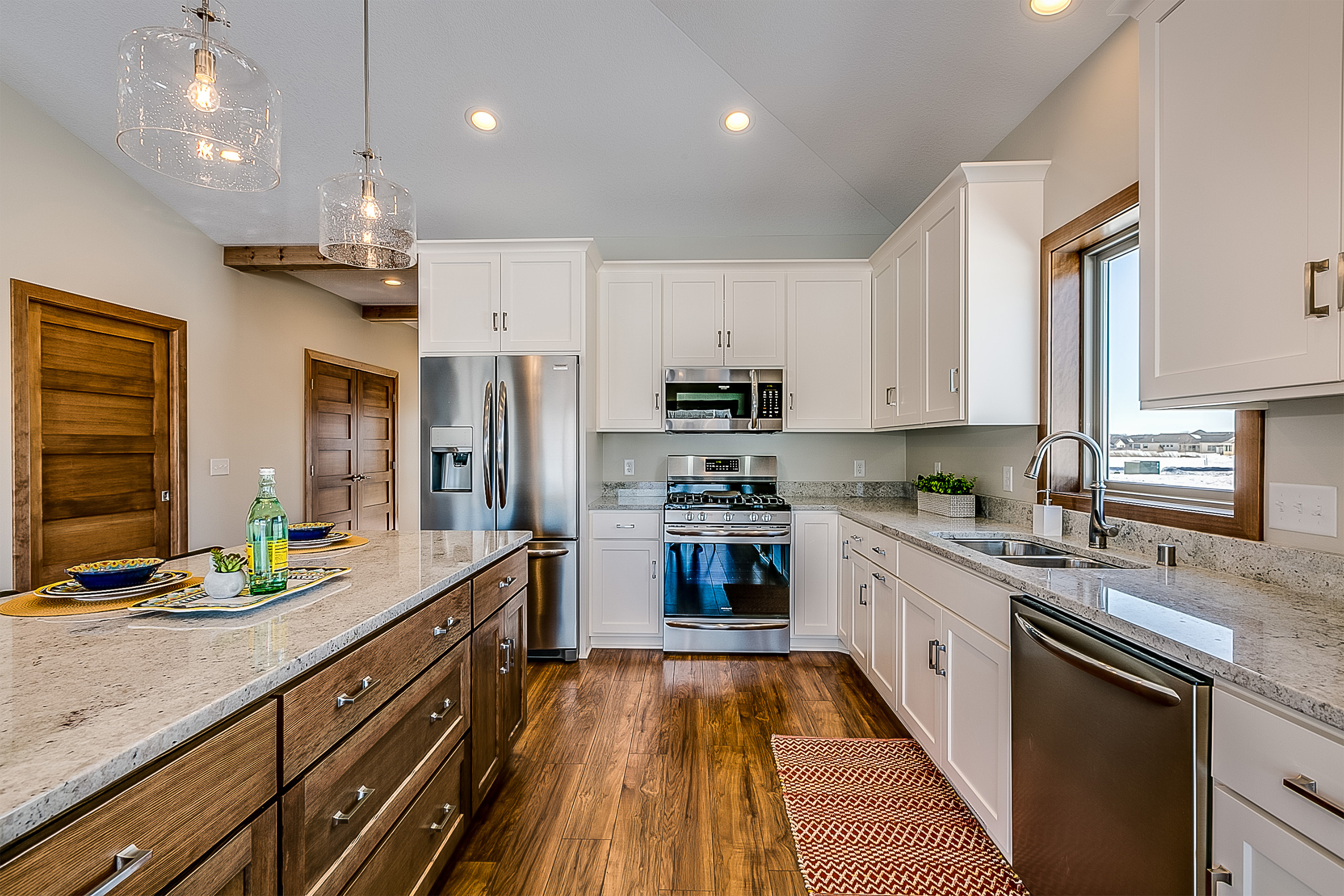
Credit: www.westwindwoodworkers.com
Frequently Asked Questions
What Is The Golden Rule For Kitchen Design?
The golden rule for kitchen design is to create a functional work triangle. Position the sink, stove, and refrigerator efficiently. Ensure easy movement between these areas. Optimize storage and workspace to enhance usability. Prioritize safety and accessibility while maintaining aesthetics.
This balance ensures an effective and pleasant cooking environment.
What Are The Factors To Consider In The Design Of A Kitchen?
Consider layout for efficient workflow, including the work triangle. Prioritize storage solutions for organization. Ensure lighting enhances functionality. Choose durable, easy-to-clean materials. Select appliances that fit your needs and space.
What Is The 3×4 Kitchen Rule?
The 3×4 kitchen rule optimizes kitchen layout by dividing space into three zones: cooking, cleaning, and storage, with four feet between each. This ensures efficient workflow, minimizing unnecessary movement while cooking. A well-organized kitchen enhances functionality and reduces clutter, making meal preparation smoother and more enjoyable.
What To Look For When Designing A Kitchen?
Design a kitchen by focusing on layout, functionality, lighting, storage, and aesthetics. Optimize space for efficiency and comfort. Choose durable materials and appliances. Incorporate ample storage solutions. Ensure good lighting for tasks and ambiance. Select colors and finishes that enhance the overall look and feel.
Conclusion
Designing a kitchen requires thoughtful planning and creativity. Consider space for movement. Choose durable materials for lasting use. Focus on lighting and storage needs. Pick colors that reflect your style. Ensure appliances fit the layout. Prioritize safety and functionality. Remember the kitchen is the heart of the home.
Make it inviting. A well-designed kitchen brings joy and ease to daily tasks. With careful choices, your kitchen will be a cherished space. A place for cooking, gathering, and creating memories. Keep these elements in mind. Your perfect kitchen awaits.