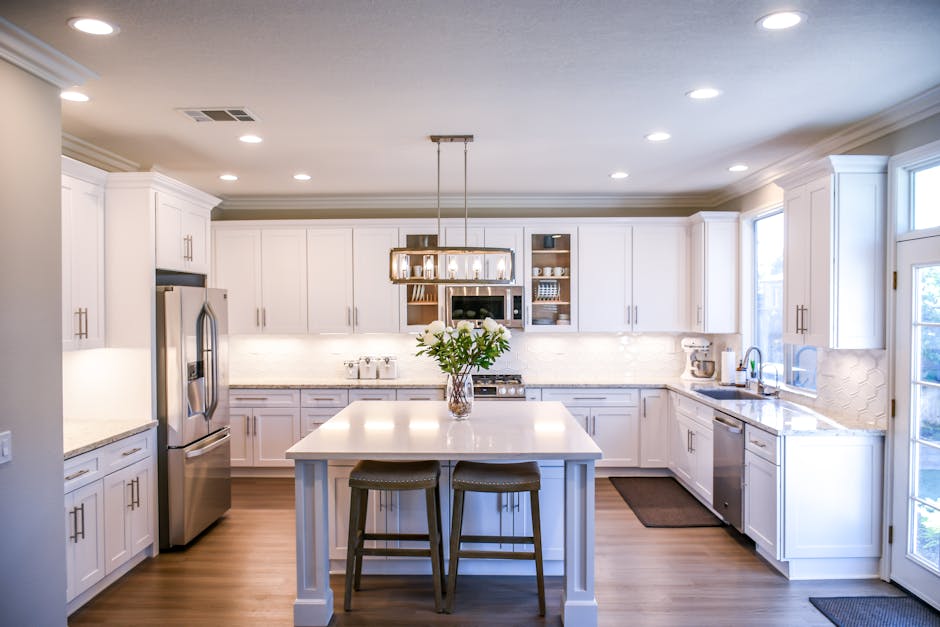
Are you dreaming of a kitchen that not only looks stunning but also functions seamlessly? The secret lies in the design of your kitchen cabinets.
Cabinets are more than just storage spaces; they’re the backbone of your kitchen’s style and efficiency. With the right design, you can transform your kitchen into a space that reflects your taste and meets your cooking needs. Imagine opening cabinets that perfectly fit your pots and pans, or easily accessing your spices while cooking your favorite meal.
You’re not just arranging wood and handles; you’re creating an experience. Dive into this article to discover the tips and tricks that will make your kitchen the heart of your home. By the end, you’ll be ready to design cabinets that are uniquely yours.
Choosing The Right Material
Selecting the perfect material for kitchen cabinets enhances style and functionality. Consider durability, ease of maintenance, and aesthetic appeal. Wood, laminate, and stainless steel offer diverse choices to suit your design preferences.
Designing your kitchen cabinets involves many choices, but selecting the right material is crucial. The material you choose affects not just the look and feel of your kitchen but also its functionality and durability. With a variety of options available, it’s important to weigh the pros and cons to find the perfect fit for your lifestyle and design preferences.Wood Options
Wood is a classic choice for kitchen cabinets. It offers warmth and a timeless appeal. Whether you prefer oak, maple, or cherry, each type of wood has unique characteristics. Oak is strong and durable, great for families. Maple offers a smooth finish and is versatile for different stains. Cherry darkens over time, adding depth to your kitchen’s character. Consider the maintenance involved. Wood can be sensitive to humidity and temperature changes. Are you ready to maintain its beauty with regular care?Laminate Choices
Laminate offers a budget-friendly alternative to wood. It’s available in a wide range of colors and patterns, making it easy to match your kitchen’s theme. This material is easy to clean and resists scratches, perfect for busy kitchens. It’s also lightweight, reducing stress on your cabinet hardware. One downside is that it might not have the same luxurious feel as wood. Will the cost savings outweigh the aesthetic differences for you?Metal And Glass
For a modern and sleek look, metal and glass are excellent options. Stainless steel cabinets bring a contemporary vibe and are extremely durable. Glass-front cabinets allow you to display your dishware. They can make a small kitchen feel larger and more open. However, metal can show fingerprints easily, and glass requires regular cleaning. Are you prepared for the upkeep to maintain their pristine look? Choosing the right material for your kitchen cabinets is a balance of style, practicality, and budget. Which option aligns with your vision for your kitchen?Cabinet Styles And Designs
Choosing the right cabinet style can transform your kitchen. Cabinets set the tone for the room’s look and feel. Whether you prefer timeless charm or sleek lines, there’s a design for you. Explore different styles to find the perfect fit.
Traditional Designs
Traditional cabinet designs offer a classic look. They often feature intricate details and rich wood finishes. Raised panel doors are common. These cabinets add warmth and elegance. Perfect for those who love a cozy kitchen.
Modern Styles
Modern styles bring a clean and simple feel. Flat panels and minimal hardware define this look. Light colors and sleek surfaces are typical. Modern cabinets create an open and airy space. Ideal for contemporary homes.
Custom Options
Custom cabinets offer flexibility and personalization. Tailor them to fit your unique needs. Choose materials, colors, and features. Custom designs help maximize space. A great choice for kitchens with specific requirements.
Optimal Cabinet Layout
Creating an optimal cabinet layout transforms the kitchen experience. A well-planned design enhances functionality and aesthetics. It helps you use every inch wisely, ensuring a clutter-free space. Let’s explore how to maximize space, organize functional zones, and ensure smooth flow and accessibility.
Maximizing Space
Think vertically to save floor space. Tall cabinets store items you rarely use. Utilize corner cabinets with rotating shelves. These make the hard-to-reach areas accessible. Incorporate pull-out drawers for pots and pans. They offer easy access and storage efficiency. Arrange shelves to fit various sizes. Adjustable shelves accommodate different items.
Functional Zones
Divide your kitchen into specific areas. Cooking, cleaning, and storage zones streamline tasks. Place cabinets near the stove for easy access to cookware. Store cleaning supplies under the sink. This keeps them handy but out of sight. Organize pantry items near the prep area. It speeds up meal preparation.
Flow And Accessibility
Ensure seamless movement throughout the kitchen. Arrange cabinets to avoid obstacles. Wide pathways prevent congestion during busy times. Install sliding doors for easy access. These require less space than traditional doors. Keep frequently used items at eye level. This reduces bending and stretching.
:strip_icc()/bartlamjennfeldman-5c1ba015f7f442a2a8090fee7871a262.png)
Credit: www.mydomaine.com
Color And Finish Selection
Choosing the right color and finish for kitchen cabinets is crucial. Bright colors can make the space lively, while neutral tones provide a classic look. Matte finishes add a modern touch, whereas glossy surfaces offer easy cleaning and a sleek appearance.
When designing your kitchen cabinets, color and finish selection plays a pivotal role. It’s like choosing the right attire for a special occasion—it sets the tone and feel of the entire space. The right colors and finishes can transform a dull kitchen into a vibrant hub of creativity and warmth. Whether you’re a fan of sleek modern aesthetics or cozy traditional vibes, understanding how to select the perfect color and finish is key to achieving your dream kitchen.Popular Color Trends
Each year brings fresh color trends that can inspire your kitchen design. Recently, shades like deep navy, forest green, and warm grays have been popular choices. These colors add depth and personality to your kitchen while still being versatile enough to match various styles. Bright whites and soft pastels also remain in vogue, particularly for those who prefer a clean, airy look. If you want something bolder, consider a two-tone approach—perhaps dark lower cabinets paired with lighter uppers. This can make your kitchen feel dynamic and visually interesting.Choosing The Right Finish
The finish of your cabinets can make just as much impact as the color. Glossy finishes can make a small kitchen feel larger by reflecting more light. On the other hand, matte finishes offer a more understated elegance and are less prone to showing fingerprints. Think about your lifestyle when selecting a finish. Do you have young children who might leave sticky fingerprints? A semi-gloss or satin finish might be more forgiving and easier to clean. Remember, the finish you choose will also affect the longevity and maintenance of your cabinets.Creating Visual Harmony
Achieving visual harmony in your kitchen is all about balance. Your cabinets should complement the countertops, backsplash, and flooring without overpowering them. One way to ensure harmony is by sticking to a cohesive color palette throughout the kitchen. Consider the mood you want to create. Warm colors can make a large kitchen feel cozier, while cooler tones can open up a smaller space. Ask yourself: Does the color and finish of my cabinets reflect my personal style and the atmosphere I want to create? Imagine walking into your kitchen every morning. Does the color energize you, or does it feel too overwhelming? By choosing the right colors and finishes, you create a space that not only looks beautiful but also feels just right for you and your family.Incorporating Storage Solutions
Designing kitchen cabinets involves more than choosing styles and colors. Storage solutions play a key role in maximizing space and usability. Efficient storage keeps your kitchen organized and clutter-free. Smart choices can transform your cooking area into a functional and welcoming space.
Shelving And Drawers
Shelving and drawers offer practical storage for daily items. Adjustable shelves let you customize space for dishes and pantry goods. Deep drawers provide easy access to pots and pans. Soft-close mechanisms ensure drawers close gently, preventing wear and tear. Use dividers in drawers to organize utensils and small tools.
Innovative Organizers
Innovative organizers simplify storage and maximize cabinet space. Pull-out racks hold spices and oils within reach. Lazy Susan shelves spin to access hidden corners. Vertical dividers store baking sheets and cutting boards upright. Plate racks keep dishes safe and prevent chipping. Magnetic strips inside doors hold knives securely.
Hidden Storage
Hidden storage keeps the kitchen tidy and clutter-free. Toe-kick drawers utilize space beneath cabinets for seasonal items. Concealed trash bins maintain a clean look. Corner cabinets with pivoting shelves use awkward spaces efficiently. Built-in recycling centers encourage eco-friendly habits. Hidden pull-out trays provide extra workspace when needed.
Hardware And Accessories
Designing kitchen cabinets involves choosing the right hardware and accessories. These elements impact both functionality and style. Selecting the right pieces can enhance your kitchen’s overall look. From handle styles to soft-close mechanisms, each detail matters. Let’s explore these components in more depth.
Handle Styles
Handles come in various styles, shapes, and finishes. They can be sleek, modern, or classic. Stainless steel handles offer a contemporary look. Brass handles add a vintage touch. Consider your kitchen’s design theme. This will guide your handle style choice. Mixing and matching styles can create visual interest. Always ensure handles are easy to grip.
Soft-close Mechanisms
Soft-close mechanisms prevent cabinet doors from slamming. They offer a quiet and smooth closure. This feature extends the life of your cabinets. It also provides a touch of luxury. Soft-close is ideal for families with children. It reduces noise and enhances safety. Installing these mechanisms is straightforward. They fit most cabinet types with ease.
Decorative Accents
Decorative accents add personality to your cabinets. These can include carved moldings or glass inserts. They elevate the aesthetic appeal of your kitchen. Choose accents that complement your home’s style. Simple accents work well in minimalist kitchens. More ornate details suit traditional designs. Accents can also be functional. Hooks or rails for utensils add utility.
Lighting Considerations
Lighting plays a crucial role in kitchen cabinet design. It enhances functionality and aesthetics. Proper lighting can transform your kitchen space. It makes cooking and organizing easier. Thoughtful lighting choices add warmth and style. Let’s explore some key lighting considerations for your kitchen cabinets.
Under-cabinet Lighting
Under-cabinet lighting illuminates countertops and workspaces. It reduces shadows and provides focused light. This lighting option improves visibility. It helps with detailed tasks like chopping and reading recipes. LED strips or puck lights are popular choices. They are easy to install and energy-efficient. Choose a color temperature that complements your kitchen design.
Ambient And Task Lighting
Ambient lighting provides general illumination in the kitchen. It ensures a warm and inviting atmosphere. Consider ceiling fixtures or recessed lights for ambient light. Task lighting focuses on specific areas. It is essential for cooking and preparation tasks. Pendant lights over islands are a stylish choice. They offer both task lighting and aesthetic appeal.
Energy Efficiency
Energy-efficient lighting reduces electricity costs. It also benefits the environment. LED lights are an excellent option. They consume less energy and last longer. Dimmers add flexibility and conserve energy. Adjust lighting based on needs and time of day. Always look for Energy Star-rated products. They guarantee efficiency and performance.
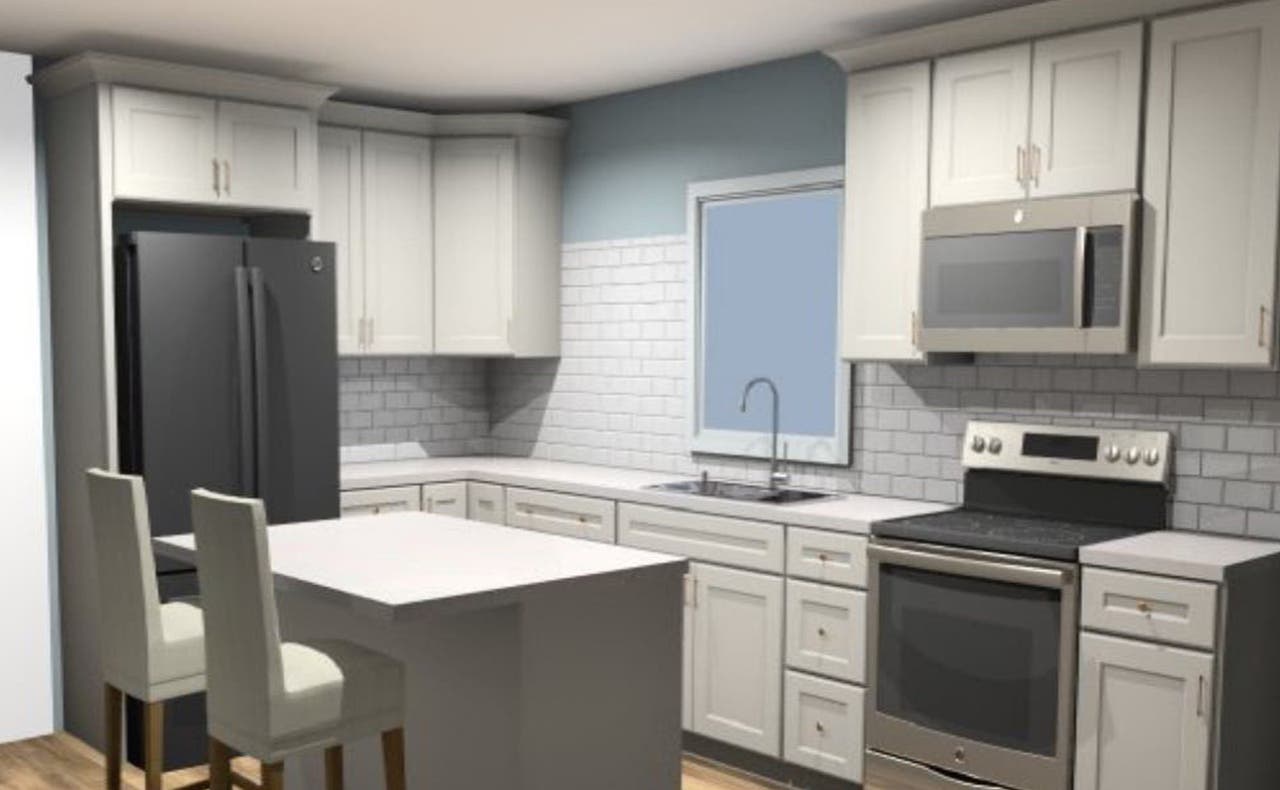
Credit: www.cabinets.com
Budget Planning And Cost
Designing kitchen cabinets is exciting. It’s crucial to manage your budget wisely. Understanding the costs helps make smart choices. Let’s explore how to plan and keep costs in check.
Setting A Realistic Budget
Estimate your total spending. Consider all elements like materials and installation. Research prices for different cabinet styles. Compare costs for custom and pre-made options. Avoid overspending by setting limits. Prioritize essentials to match your budget.
Cost-effective Choices
Choose affordable materials without sacrificing quality. Laminate and MDF offer good value. Select ready-to-assemble cabinets to save money. Opt for simple designs to reduce costs. Explore discount stores for budget-friendly deals. Focus on durability and function.
Diy Vs. Professional Installation
DIY installation can save money. It requires time and skill. Professionals ensure precise and quick installation. They charge more for their expertise. Weigh the pros and cons of each option. Decide based on your budget and confidence level.
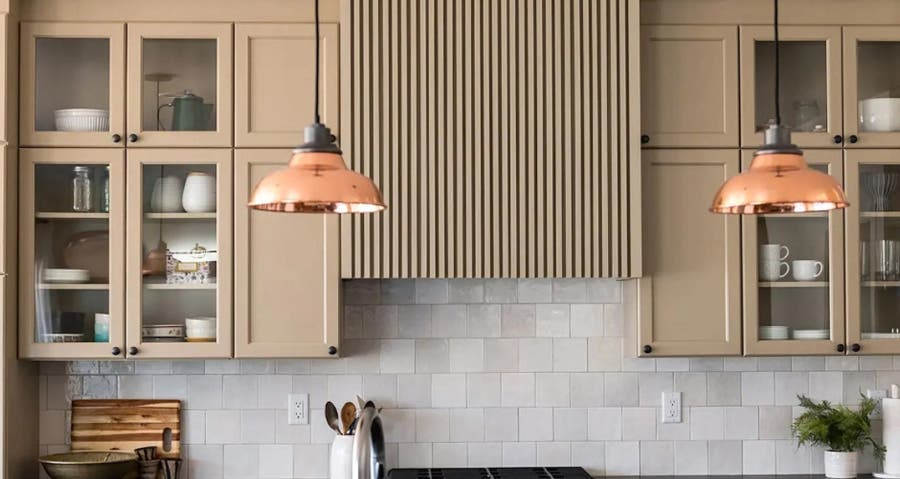
Credit: www.cabinets.com
Frequently Asked Questions
What Is The 3×4 Kitchen Rule?
The 3×4 kitchen rule suggests having three workstations: cooking, cleaning, and storage, each at least four feet apart. This layout optimizes efficiency and movement, ensuring a functional and user-friendly kitchen space. It’s especially useful in small kitchens to maximize available space effectively.
Is There An App Where I Can Take A Picture Of My Kitchen And Redesign It?
Yes, apps like Houzz and RoomSketcher let you take a picture and redesign your kitchen. They offer easy-to-use tools for layout changes, color adjustments, and furniture placements. These apps provide inspiration and visualization for your kitchen makeover.
How Do You Decide Where To Put Things In Kitchen Cabinets?
Organize kitchen cabinets based on frequency of use. Place daily items within easy reach. Store rarely used items higher or lower. Group similar items together, such as spices or baking essentials. Keep heavy items on sturdy lower shelves. Regularly adjust for improved efficiency and accessibility.
Is It Cheaper To Build Your Own Cabinets Or Buy Them?
Building your own cabinets is usually cheaper. DIY lets you save on labor costs. Buying pre-made cabinets is convenient but often more expensive. Consider skill level and time for DIY projects. Customization and material choice can also impact the cost.
Evaluate your needs and budget before deciding.
Conclusion
Designing kitchen cabinets can transform your space. Choose styles that fit your taste. Consider materials that match your budget. Think about functionality for everyday use. Create a layout that maximizes space. Personalize with colors and finishes you love. Add hardware that complements the design.
Remember, every detail counts. Make sure your cabinets reflect your lifestyle. Enjoy the process of creating your perfect kitchen. With careful planning, your kitchen will be both stylish and practical. Keep these tips in mind and design cabinets you’ll love for years.
A kitchen that welcomes you daily.