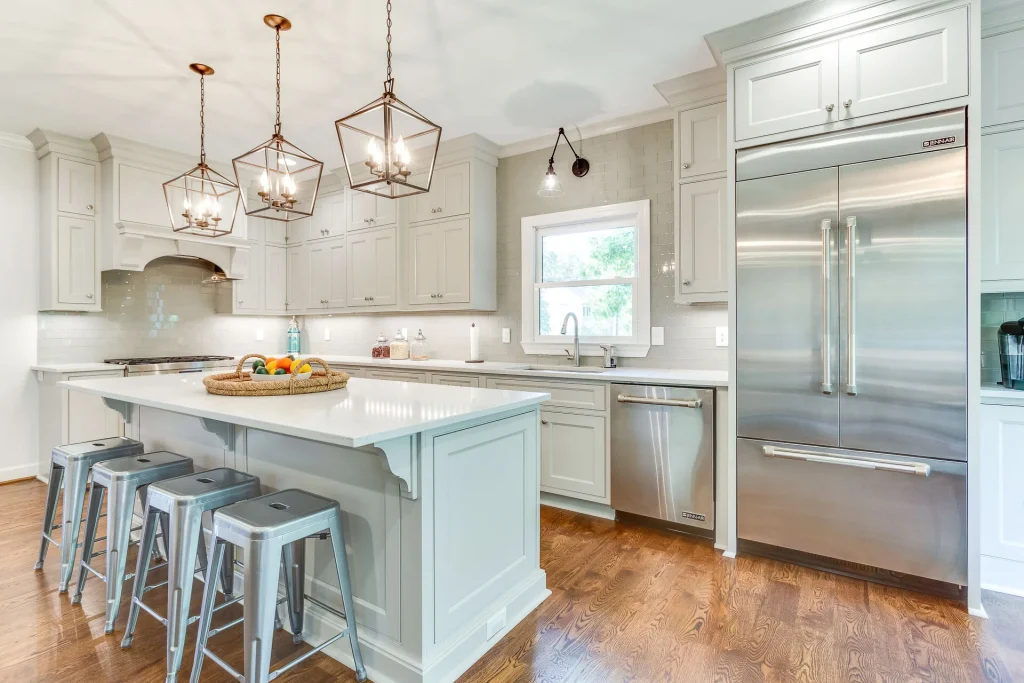
Imagine walking into your kitchen and feeling instantly at ease, as if the space itself is welcoming you with open arms. The secret?
Perfectly designed kitchen lighting. Lighting can transform your kitchen from just another room to the heart of your home. It highlights your culinary creations, complements your décor, and even sets the mood for memorable meals with loved ones. But how do you design kitchen lighting that achieves all this and more?
You’re about to discover the simple yet powerful techniques that will make your kitchen not just functional, but a place where you truly love to spend time. Keep reading to unlock the secrets of creating a luminous, inviting kitchen that reflects your style and meets your needs.

Credit: languageoflight.blog
Types Of Kitchen Lighting
Designing the perfect kitchen lighting involves understanding different types of lights. Each type serves a unique purpose and enhances functionality. Proper lighting can transform your kitchen space, making it more inviting and efficient.
Ambient Lighting
Ambient lighting provides general illumination. It ensures the entire kitchen is well-lit. Ceiling fixtures or recessed lights are common choices. They create a warm atmosphere. This lighting helps you move around safely.
Task Lighting
Task lighting is crucial for specific areas. It lights up workspaces like counters and sinks. Under-cabinet lights are popular for tasks. They help you see while cooking or chopping. Task lights reduce shadows and improve visibility.
Accent Lighting
Accent lighting adds style to your kitchen. It highlights architectural features or decor. Pendant lights or spotlights are great options. They draw attention to your favorite areas. Accent lighting creates depth and interest.
Choosing The Right Fixtures
Choosing the right fixtures for your kitchen can transform the space from ordinary to extraordinary. Lighting isn’t just about functionality; it’s about creating an atmosphere that inspires and welcomes. Whether you’re preparing a meal or enjoying a late-night snack, the right lighting can make all the difference. But how do you decide which fixtures are best for your kitchen?
Pendant Lights
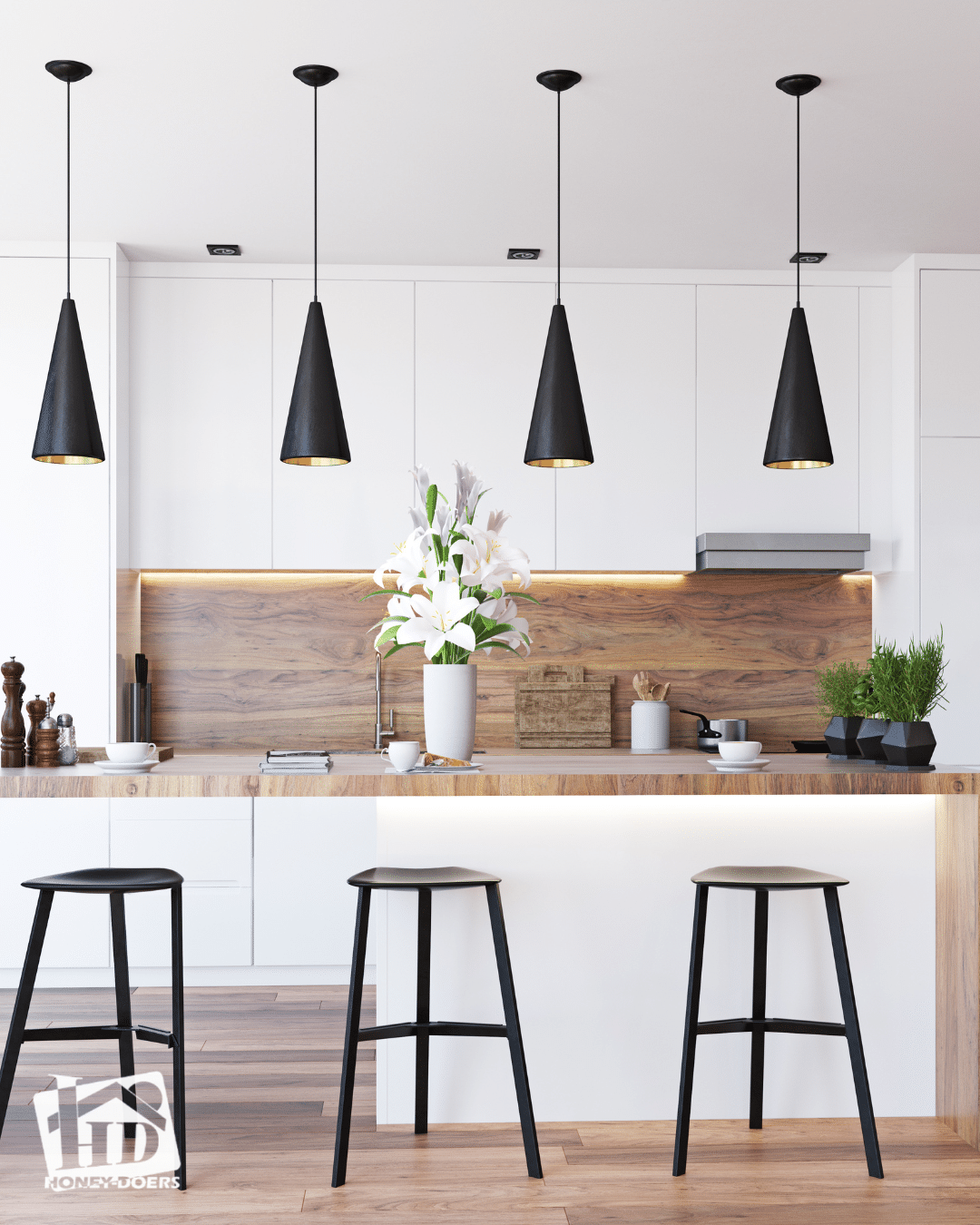
Pendant lights are a stylish choice that can add personality to your kitchen. They hang from the ceiling, making them ideal for illuminating islands or breakfast bars. Imagine a set of three pendant lights casting a warm glow over your kitchen island. It’s both functional and visually appealing. You can choose from a variety of styles, colors, and materials to match your kitchen’s decor. Do you prefer sleek metals or rustic wood finishes?
Recessed Lighting
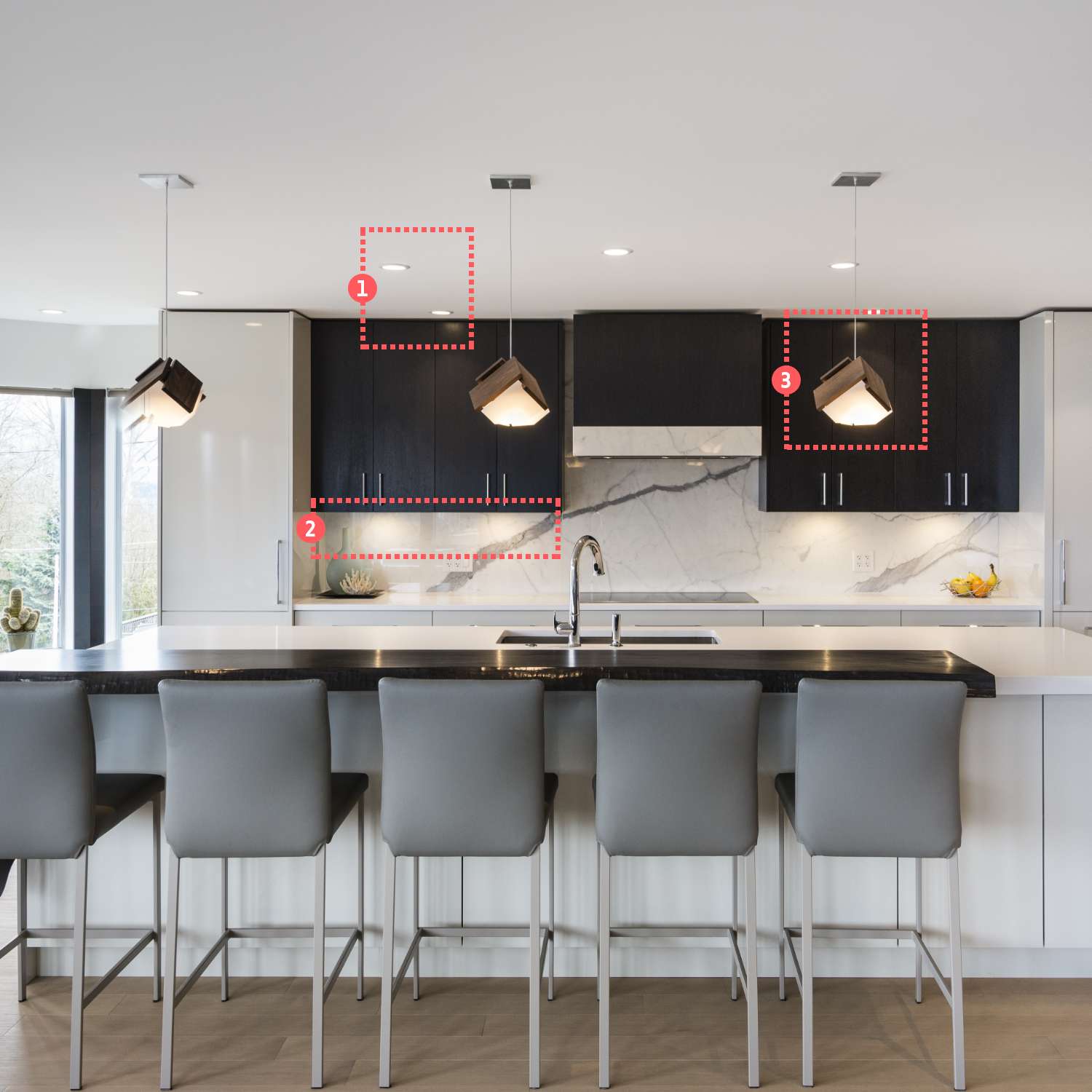
Recessed lighting, often called can lights, is perfect for a clean, minimalist look. These lights are installed directly into the ceiling, providing a streamlined appearance. They offer a broad range of illumination, making them great for general lighting. A friend of mine recently installed recessed lights and noticed how it opened up the space, eliminating dark corners. What areas of your kitchen could benefit from a little extra light?
Under Cabinet Lights
Under cabinet lights are a practical addition that enhances visibility for tasks. They shine directly onto your countertops, making food prep safer and more efficient. They’re especially useful for small kitchens where space is at a premium. I once struggled with shadowy countertops until I added these lights; the difference was night and day. Have you considered how brighter countertops might improve your cooking experience?
Choosing the right kitchen lighting fixtures isn’t just about style; it’s about creating a space that works for you. Evaluate your kitchen’s layout and your lifestyle to determine which fixtures best meet your needs. Remember, a well-lit kitchen is a happy kitchen.
Considerations For Light Placement
Lighting is a crucial component of kitchen design that can significantly influence both functionality and ambiance. When planning your kitchen lighting, understanding the nuances of light placement is essential. Proper placement ensures that you have adequate illumination for tasks while enhancing the overall aesthetic of the space. Let’s delve into some key areas where strategic light placement can make all the difference.
Island And Countertop Lighting
Imagine preparing a meal on your kitchen island with shadows obscuring your view. Not ideal, right? Direct lighting over islands and countertops is vital for clarity and precision. Pendant lights are a popular choice because they offer focused light and add style. You might choose adjustable fixtures, allowing you to direct light precisely where you need it. Consider the island size and shape; larger islands may require multiple pendants for even illumination.
Think about the mood you want to create. Bright lights foster an energetic atmosphere, while dimmable options can transition to a cozy vibe for gatherings. Does your island double as a workspace or dining area? If so, multi-functional lighting adds versatility. Have you ever found yourself squinting under poor lighting? Proper island lighting can prevent that, making cooking a delightful experience.
Sink And Stove Illumination
Effective illumination around the sink and stove is non-negotiable for safety and convenience. Task lights, such as under-cabinet LEDs, are excellent for these areas. They provide direct light without interfering with your line of sight. Have you ever strained to see the pot boiling on the stove? Placing lights directly above or to the side can eliminate this issue.
Consider recessed lights for a clean look; they offer concentrated light while remaining unobtrusive. You could also install wall-mounted lights for additional support, especially around sinks. How often do you find yourself cleaning in dim light? Adequate lighting makes tasks like dishwashing or cleaning a breeze, reducing eye strain and improving efficiency.
Choosing the right placement for your kitchen lights transforms your space from merely functional to a place where you enjoy spending time. What kind of atmosphere do you want to create in your kitchen? Thoughtful lighting design can help bring that vision to life.
Balancing Light And Design
Designing kitchen lighting involves balancing brightness and style. Use layered lighting for tasks, ambiance, and highlights. Choose fixtures that complement your kitchen’s design, enhancing both function and beauty.
Balancing light and design in your kitchen is like crafting the perfect recipe; it requires just the right mix of ingredients to create something exceptional. The way you light your kitchen can dramatically affect its mood, functionality, and style. But how do you ensure that your lighting design complements the overall aesthetic while serving practical needs? The answer lies in understanding key components like color temperature and dimmer controls. Let’s dive into these elements to see how they can transform your kitchen.Color Temperature
Choosing the right color temperature for your kitchen lighting can set the tone of the space. Would you prefer a warm, inviting glow or a bright, energetic feel? Warm lights, around 2700K to 3000K, create a cozy atmosphere, perfect for family dinners. On the other hand, cooler lights, ranging from 4000K to 5000K, are ideal for tasks like cooking and reading recipes. Consider mixing both. Use warm lights for areas meant for relaxation and cooler lights for workspaces. A simple change in light temperature can alter the ambiance significantly.Dimmer Controls
Dimmer controls are your best friend when it comes to achieving flexibility in kitchen lighting. Imagine preparing a meal under bright lights, then dimming them for a quiet evening snack. Dimmer switches allow you to adjust the intensity of light according to the time of day or activity. They’re a great way to conserve energy while enhancing mood. Installing dimmers is relatively easy, and they can be added to most lighting fixtures. Think about how different light levels can impact your daily kitchen routines. Wouldn’t it be wonderful to have that control at your fingertips? Balancing light and design in your kitchen requires thoughtful choices. Ask yourself: What mood do I want to create, and how can lighting help me achieve it? Your kitchen deserves to shine in both functionality and style, and with the right lighting, it certainly can.Energy Efficiency Options
Designing kitchen lighting is more than just choosing the right style; it’s about finding energy-efficient options that save money and help the environment. With the right choices, you can create a bright and inviting space while keeping energy bills low. Let’s dive into some energy-efficient options to illuminate your kitchen smartly.
Led Lighting
LED lights are a game-changer for kitchen lighting, offering both efficiency and longevity. They consume less power and last much longer than traditional bulbs. In my own kitchen, switching to LEDs cut my electricity bill noticeably. They’re available in various colors and brightness levels, allowing you to customize the ambiance.
Think about the different areas in your kitchen. Under-cabinet LEDs can provide focused light for tasks, while ceiling LEDs can offer general illumination. Plus, they generate less heat, making them safer and more comfortable during cooking.
Smart Lighting Solutions
Smart lighting takes energy efficiency to another level, giving you control over brightness and timing through apps or voice commands. Imagine adjusting the lights while your hands are busy preparing dinner, or setting them to dim automatically as the night progresses. This smart technology not only saves energy but adds convenience to your daily routine.
Consider how you use your kitchen daily. Do you often forget to turn off lights? Smart systems can help by setting schedules or detecting movement to switch lights off when not in use. They offer a personalized experience, catering to your lifestyle and energy-saving goals.
What energy-efficient lighting options are you considering for your kitchen? With LEDs and smart solutions, you have the tools to create a stylish, eco-friendly space that reflects your personality and saves energy. Embrace these innovations and see the difference they make in your kitchen and wallet.
Credit: www.honey-doers.com
Incorporating Style And Aesthetics
Incorporating style and aesthetics into kitchen lighting enhances your space’s ambiance. The right lighting transforms a kitchen from functional to beautiful. It’s not just about illumination. It’s about creating mood and adding character. Whether modern or traditional, your lighting choices reflect your taste. They set the tone for your kitchen’s overall design.
Modern Designs
Modern kitchen lighting often features clean lines and sleek finishes. Think of pendant lights with chrome or matte finishes. They offer a minimalist feel. LED strip lights under cabinets provide a contemporary touch. They highlight counter spaces effectively. Recessed lighting is another modern choice. It offers a streamlined look without bulky fixtures. Smart lighting options are also trendy. They allow you to control brightness with ease.
Traditional Touches
Traditional lighting adds warmth and charm to your kitchen. Chandeliers above the dining area create a classic feel. They serve as a focal point. Vintage-style fixtures bring a sense of nostalgia. Brass or bronze finishes add a touch of elegance. Wall sconces provide soft, ambient lighting. They enhance the cozy atmosphere in traditional kitchens. Consider using frosted glass shades. They diffuse light gently, creating a welcoming glow.
Credit: www.lumens.com
Frequently Asked Questions
What Is The Formula For Kitchen Lighting?
Calculate kitchen lighting by using 70 lumens per square foot. Measure the kitchen’s area in square feet. Multiply the area by 70 to find the total lumens needed. Consider task lighting for specific zones like counters and islands for better illumination.
Adjust for personal preferences and kitchen design.
What Is The Rule For Kitchen Lighting?
Ensure balanced kitchen lighting with ambient, task, and accent lights. Use energy-efficient LED bulbs and layered lighting. Install under-cabinet lights for countertops. Choose dimmable fixtures for flexibility. Ensure proper spacing and brightness to avoid shadows.
How To Arrange Can Lights In Kitchen?
Space can lights evenly across the kitchen ceiling. Position them to illuminate work areas, such as countertops and islands. Consider spacing them 4-6 feet apart for optimal coverage. Use adjustable lights to focus on specific tasks or areas. Ensure lights complement existing kitchen design and offer sufficient brightness.
How To Decide On Kitchen Lighting?
Choose bright, energy-efficient LED lights for the kitchen. Consider under-cabinet lighting for task areas. Use pendant lights for islands. Ensure dimmable options for ambiance control. Select fixtures matching your kitchen’s style and layout.
Conclusion
Kitchen lighting design enhances the space. It brings comfort and style. Consider light placement carefully. Bright lights work well for cooking areas. Softer lights suit dining spots. Balance is key. Mix different types of lighting. This creates a welcoming atmosphere.
Experiment with various fixtures. Choose energy-efficient options. They save money in the long run. Remember, lighting affects mood. Plan wisely for a cozy kitchen. Your design reflects personality. Create a space you love. Enjoy the process. Transform your kitchen into a vibrant hub.
Happy designing!