
Imagine stepping into your kitchen where every move feels smooth and every tool is within reach. The secret behind this effortless flow?
The kitchen triangle. This concept isn’t just a design fad; it’s a game-changer that can transform your cooking space into a functional masterpiece. If you’re tired of bumping into counters or wasting time searching for utensils, understanding the kitchen triangle can revolutionize your daily routine.
You’ll discover how this simple layout can save you time, energy, and even make cooking a delightful experience. Ready to unlock the potential of your kitchen? Let’s dive into what the triangle in kitchen design is all about and how it can make your life easier.
Kitchen Triangle Concept
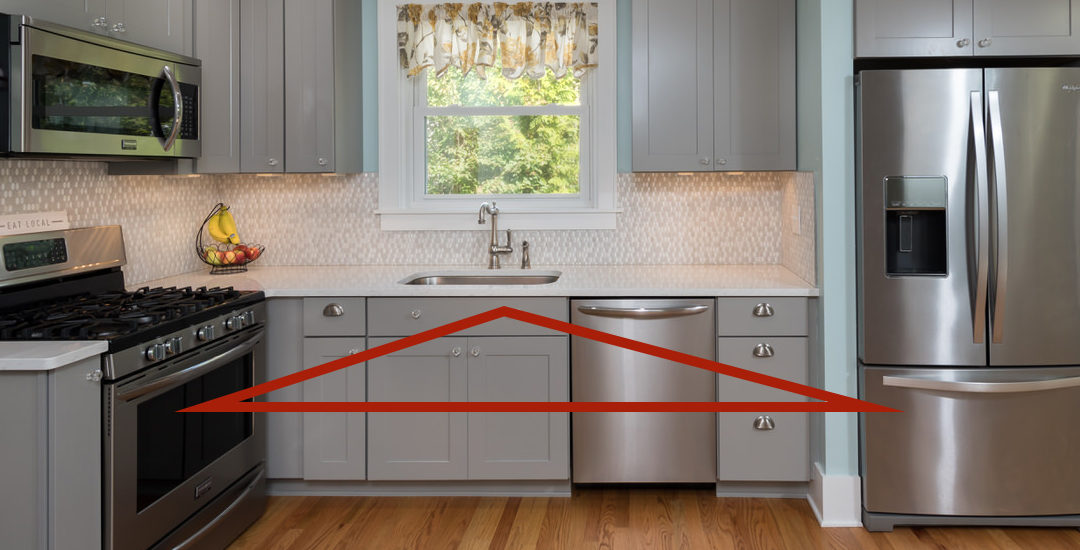
The kitchen triangle concept is a key principle in kitchen design. It aims to create a functional and efficient space. This concept organizes the kitchen’s main areas: the stove, sink, and refrigerator. These three points form a triangle, allowing easy movement between tasks.
The Importance Of The Kitchen Triangle
The kitchen triangle reduces unnecessary steps. It helps streamline cooking activities. With a balanced triangle, the workflow is smooth and efficient. Each point should be close but not too crowded. This ensures ease of movement and functionality.
Optimal Distances Between Points
Designers suggest specific distances for the triangle’s sides. Each side should measure between 4 and 9 feet. This range offers the best balance between space and accessibility. It prevents cramped spaces and long distances.
Considerations For Small Kitchens
In small kitchens, the triangle can be adjusted. Space limitations may require creative solutions. Use compact appliances to maintain the triangle’s efficiency. Focus on maximizing available space without sacrificing functionality.
Adapting The Triangle For Modern Kitchens
Modern kitchens often include more than three key areas. Islands and additional appliances may alter the triangle. Adapt the triangle to fit your unique kitchen layout. Ensure all essential stations remain accessible and functional.
Credit: capitolkitchensandbaths.com
History And Evolution
The kitchen triangle design concept began in the 1940s. It focuses on efficient movement between the stove, sink, and refrigerator. This layout reduces unnecessary steps and streamlines cooking tasks, making kitchen work more efficient.
The kitchen triangle is a key concept in kitchen design that has shaped the way we organize our cooking spaces. Understanding its history and evolution can help you appreciate its significance in modern kitchens. Let’s journey through time to see how this design principle came to be and how it has adapted over the years.Origins Of The Kitchen Triangle
In the 1940s, as households became more focused on efficiency, the kitchen triangle was born. It was a result of research conducted by the University of Illinois School of Architecture. The goal was to create a workspace where movement between the stove, sink, and refrigerator was minimized. This concept was revolutionary because it prioritized the cook’s convenience. It recognized that these three points are the most used in the kitchen. By arranging them in a triangular layout, the design reduced unnecessary movement, saving time and energy.Adapting To Changing Times
As kitchen designs evolved, so did the application of the triangle. In the 1950s and 60s, larger kitchens became popular, and the triangle was adapted to suit different layouts. Open-plan designs and the inclusion of islands meant the triangle had to be flexible. Today, many kitchens incorporate additional appliances and features. The triangle now may include more than just the basic three points. Designers adapt the concept to include dishwashers, microwaves, and even coffee stations.Personal Experiences With The Triangle
Think about your own kitchen. Have you ever found yourself frustrated with the layout? I remember when I first moved into an apartment with a poorly designed kitchen. The sink was too far from the stove, and it made cooking feel like a marathon. After learning about the kitchen triangle, I rearranged the space within my constraints. It transformed my cooking experience. Suddenly, everything felt within reach, and my meals were more enjoyable to prepare.Is The Kitchen Triangle Still Relevant?
With advancements in technology and changing lifestyles, you might wonder if the kitchen triangle is still relevant. The answer lies in its adaptability. While not every kitchen can perfectly adhere to the triangle, the principle of minimizing unnecessary movement remains valuable. Consider how you use your kitchen. Do you find yourself constantly moving back and forth between appliances? Perhaps the triangle can offer a solution, even in a modern context.Practical Insights For Your Kitchen
When designing or reorganizing your kitchen, think about the tasks you perform most. Arrange your workspace to support these activities. Measure the distances between key points and see if adjustments are possible. Even small changes can make a big difference in your daily routine. Remember, the kitchen triangle is not a rigid rule but a guideline. Adapt it to suit your needs and space. After all, your kitchen should be a place of joy, not frustration.Key Elements
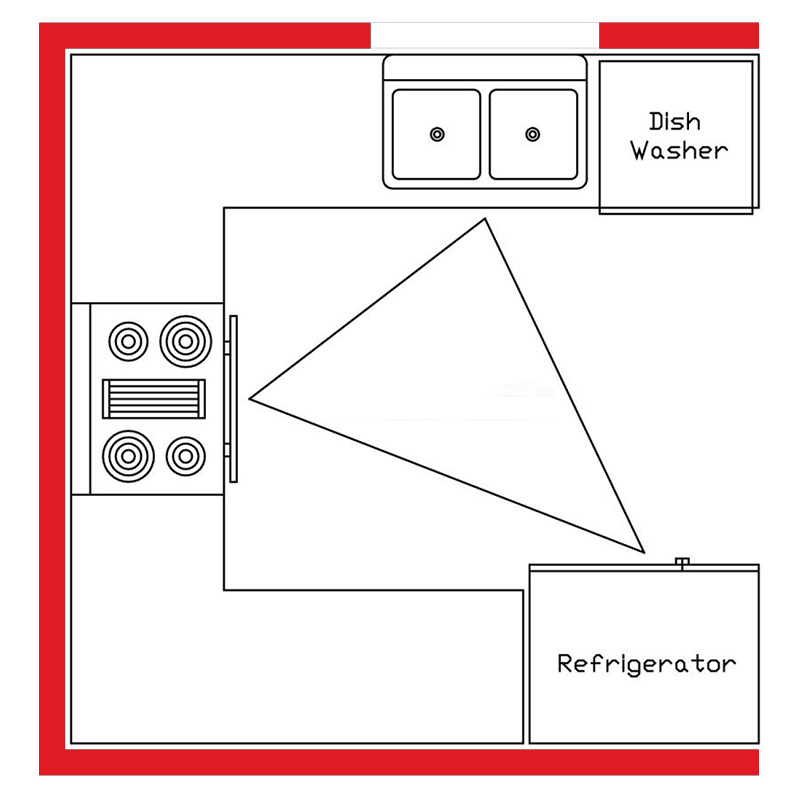
In kitchen design, the triangle concept is crucial. It’s about creating efficiency and ease. This concept revolves around the placement of three key elements. These are the sink, stove, and refrigerator. Proper positioning ensures smooth movement while cooking.
Sink Placement
The sink is often the busiest spot in a kitchen. It’s used for washing hands, cleaning vegetables, and rinsing dishes. Ideally, it should be close to both the stove and refrigerator. This placement reduces unnecessary steps, making tasks quicker.
Stove Location
The stove is where most cooking happens. It should be easily accessible from the sink. This allows for seamless transition from washing to cooking. Ensuring the stove is not too far from the refrigerator is also important. It simplifies the process of grabbing ingredients.
Refrigerator Position
The refrigerator stores all the essential ingredients. Positioning it within easy reach of both the sink and stove is key. This placement helps in reducing time spent walking around. It makes the cooking process efficient and enjoyable.
Credit: www.betterkitchens.co.uk
Benefits Of The Triangle
The kitchen triangle concept is a key component in efficient kitchen design. This layout connects the stove, sink, and refrigerator, forming a triangle. It enhances functionality, making cooking and cleaning easier. Let’s explore the benefits of this design strategy.
Enhanced Workflow
A well-planned triangle improves kitchen workflow. It minimizes movement between essential work areas. Tasks like cooking, cleaning, and food preparation become seamless. You can easily move between the stove, sink, and fridge. This arrangement reduces unnecessary steps. It keeps everything within reach, making the kitchen feel more organized.
Time Efficiency
The triangle layout saves time during kitchen tasks. You spend less time moving around. Efficient placement of appliances speeds up meal preparation. You can complete tasks faster, reducing cooking time. Time saved means more moments to enjoy your meals. It’s a practical design that enhances daily routines.
Space Utilization
Effective space utilization is a benefit of the triangle. It makes the most of available kitchen space. Appliances are positioned strategically, creating an open area for movement. This design avoids clutter, making the kitchen appear spacious. It optimizes the layout, allowing for easy access to essential items.
Design Principles
The kitchen triangle connects the sink, stove, and refrigerator in an efficient layout. This design reduces unnecessary steps and makes cooking easier. A well-planned triangle boosts functionality, saving time in daily kitchen tasks.
When it comes to kitchen design, the triangle concept is a cornerstone that ensures efficiency and ease of use. It’s a simple yet powerful principle that enhances functionality by connecting the three main work areas: the sink, refrigerator, and stove. This design principle is all about creating a smooth workflow, minimizing unnecessary movements, and making cooking a pleasant experience. Imagine effortlessly moving from washing vegetables at the sink to grabbing ingredients from the fridge, then cooking them up at the stove. Sounds like a dream, right? Let’s break down the essential elements of this design principle with some practical guidelines.Distance Guidelines
The magic of the triangle is in the distances between its points. Each leg of the triangle should ideally be between 4 and 9 feet. This ensures you have enough space to move without feeling cramped. Creating too large a gap can lead to unnecessary steps, while too small a space can make it feel congested. Picture yourself in a kitchen where everything is just a step away—it’s convenient but can become chaotic if not spaced correctly. A balanced triangle keeps your kitchen operations smooth and efficient.Accessibility Considerations
Accessibility goes beyond physical distance. It’s about ensuring each area is easily reachable and usable for everyone, including those with mobility challenges. Think about the height of your counters and the placement of appliances. An accessible kitchen is one where you don’t have to stretch awkwardly to reach a pot or strain to open a fridge door. This principle encourages thoughtful placement of items where they can be easily accessed by everyone. Consider lever-style handles for cabinets and a pull-out pantry for effortless access. How often have you struggled to find that elusive spice? A well-organized, accessible kitchen eliminates such frustrations. Design principles like these transform a kitchen from a mere cooking space into a hub of efficiency and comfort. Are you ready to rethink your kitchen layout and embrace the triangle design?Modern Adaptations
The kitchen triangle concept has evolved over the years. Modern kitchens adapt to new lifestyles and needs. This evolution improves functionality and aesthetics. Let’s explore some modern adaptations.
Open Plan Kitchens
Open plan kitchens blend seamlessly with living spaces. Walls are removed to create a spacious feel. Families and friends gather more easily. Cooking and entertaining become more interactive. This design offers better natural light. It also provides flexibility in kitchen layout.
Multi-functional Spaces
Modern kitchens serve multiple purposes. They are not just for cooking. They double as dining areas or home offices. Some kitchens even integrate laundry spaces. This multi-functionality requires careful planning. Storage solutions are key. Proper organization enhances efficiency and tidiness.
Common Mistakes
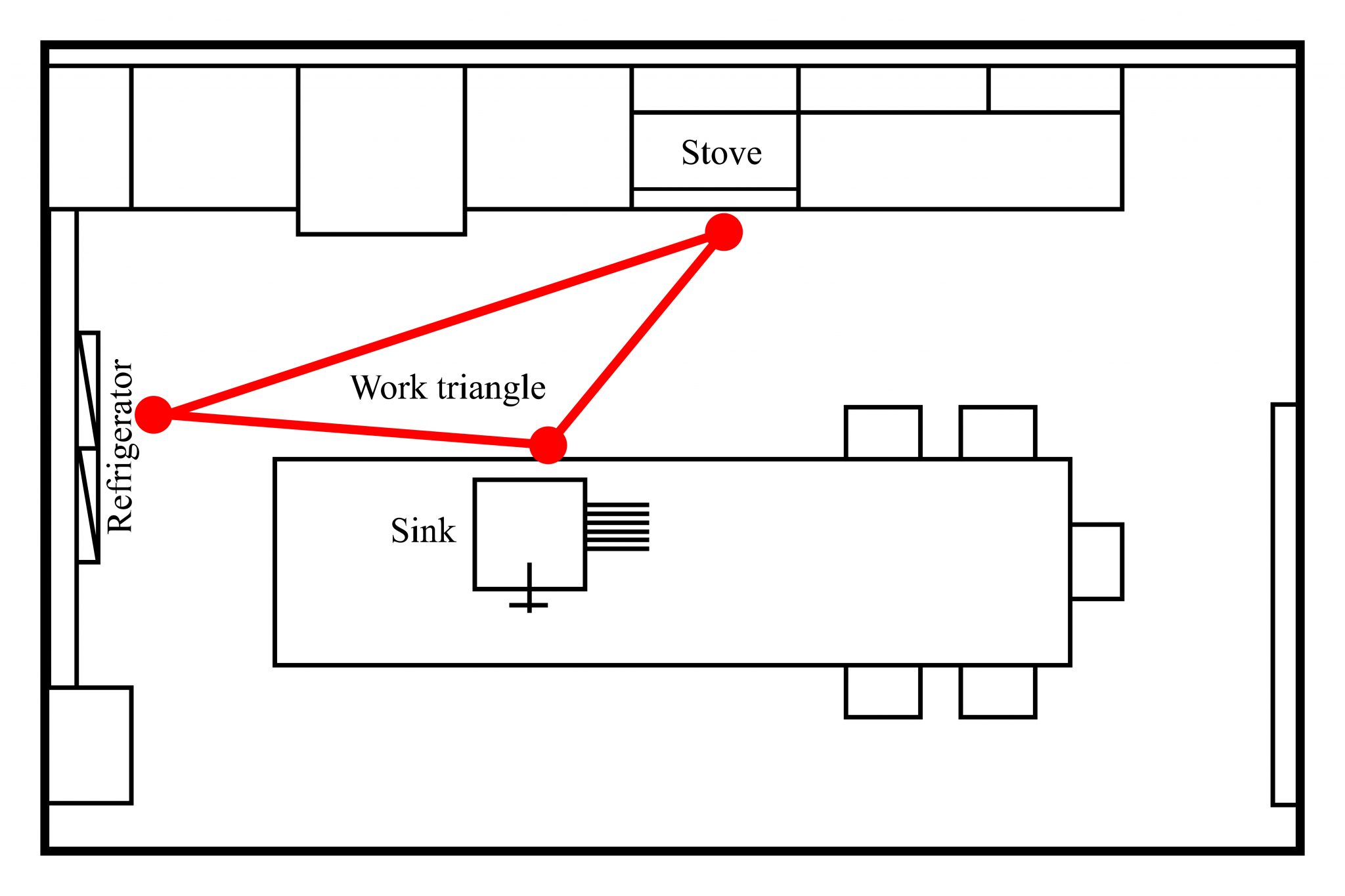
The kitchen triangle design focuses on the relationship between the stove, sink, and refrigerator. This layout ensures efficiency and ease of movement while cooking. But even with this guideline, mistakes can occur. These errors can lead to a less functional kitchen.
Ignoring Traffic Flow
One common mistake is ignoring traffic flow. A well-designed kitchen triangle should prevent unnecessary obstacles. Doors and cabinets that block movement should be avoided. This can create frustration during meal preparation. Ensure pathways are clear and spacious. A smooth flow in the kitchen enhances the cooking experience.
Inadequate Space
Another issue is inadequate space within the triangle. Crowded work areas hinder efficiency. Sufficient space between the three points is necessary. This allows for easy movement and access. Ensure there’s enough room to open appliances fully. Proper spacing leads to a more comfortable kitchen environment.
Credit: foyr.com
Tips For Implementation
Creating an efficient kitchen revolves around the concept of the kitchen triangle—an ideal layout connecting the stove, refrigerator, and sink. Implementing this triangle design requires careful planning to ensure you achieve both functionality and aesthetic appeal. Here, we break down some practical tips to help you customize this design for your unique needs.
Customizing For Your Needs
Your kitchen should cater to your lifestyle. Do you entertain guests often? If so, consider placing the refrigerator closer to the dining area for easy access to refreshments.
If you love cooking, ensure the stove is centrally located to allow ample space for movement and interaction with other kitchen elements.
Think about your family’s habits. A sink near the stove might be more convenient for multitasking while preparing meals. Tailor the triangle to your daily routines and needs.
Balancing Aesthetics And Functionality
While functionality is crucial, aesthetics play a big role in making your kitchen an inviting space. Would you enjoy cooking in a kitchen that feels cramped, even if functional? Probably not.
Use color and light to enhance your kitchen’s appearance. Bright colors can make a small space feel larger, while strategic lighting can highlight your triangle’s efficiency.
Remember, a beautiful kitchen can inspire creativity and enjoyment. How can you balance these elements to create a space that’s both effective and pleasing to the eye?
Implementing the kitchen triangle design doesn’t have to be daunting. With thoughtful planning, you can create a space that truly works for you. Think about your needs, balance aesthetics, and functionality, and enjoy the process of crafting a kitchen that feels like home.
Frequently Asked Questions
Why Is The Kitchen Triangle Outdated?
The kitchen triangle is outdated because modern kitchens need more flexibility and accommodate diverse appliances. Open-concept designs prioritize functionality and social interaction over traditional layouts. The rise of multifunctional islands and zones offers better space utilization, catering to varied cooking styles and preferences, making the rigid triangle less relevant today.
What Is The Triangle Method In A Kitchen?
The triangle method in a kitchen optimizes efficiency by positioning the sink, stove, and refrigerator in a triangular layout. This design minimizes movement and maximizes convenience during cooking tasks, enhancing workflow. It ensures the primary work areas are easily accessible, reducing unnecessary steps.
What Is Replacing The Kitchen Triangle?
The kitchen triangle is being replaced by zone design. This concept organizes the kitchen into specific zones for tasks like cooking, prepping, and cleaning. Zone design enhances efficiency and accommodates modern appliances. It adapts to various kitchen layouts, offering flexibility and improving workflow for contemporary living spaces.
What Is The Triangle Rule In Interior Design?
The triangle rule in interior design enhances flow by arranging furniture in a triangular layout, maximizing space and functionality. This setup often involves placing key items like the sofa, TV, and coffee table at each point. It creates visual balance, ensuring easy movement and interaction within the room.
Conclusion
The kitchen triangle design boosts cooking efficiency. It smartly connects the sink, stove, and fridge. This layout reduces unnecessary movement. Your kitchen tasks become easier and quicker. It creates a flow that saves time. Helps keep the space organized. It also enhances safety by minimizing obstructions.
Designing a kitchen with this in mind can make daily chores less tiring. It’s a practical choice for any home. Ideal for busy lifestyles. Embrace this design to enjoy a smoother cooking experience. Optimize your kitchen space with the triangle for better functionality.
Simple yet effective.