
Are your open kitchen shelves feeling cluttered and chaotic? You’re not alone.
Open shelves can make your kitchen look stylish and spacious—but only if they’re well organized. When your shelves are messy, it’s hard to find what you need, and the whole kitchen feels overwhelming. But with a few simple tips, you can transform your open shelves into a beautiful, functional space that makes cooking and cleaning easier.
Ready to take control of your kitchen and impress your guests? Keep reading to discover easy ways to organize your open shelves like a pro.
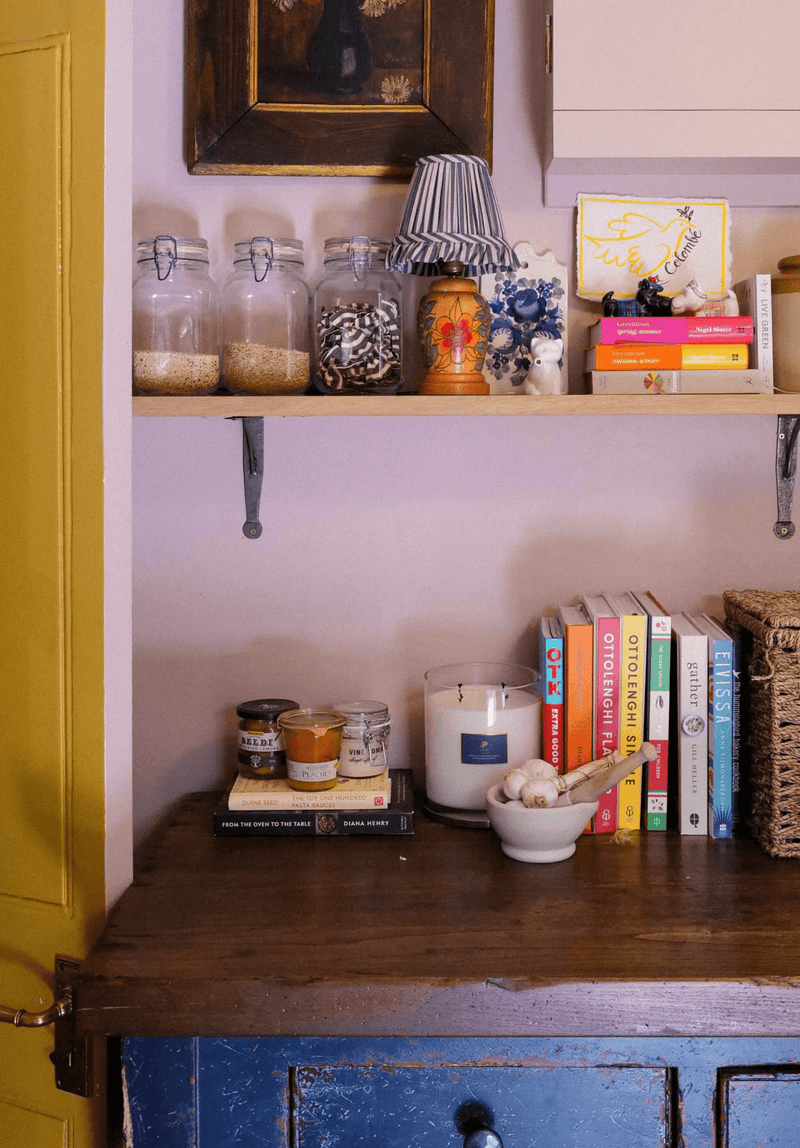
Credit: www.maisonflaneur.com
Choose The Right Shelves
Open shelves can add style and storage to your kitchen. Choosing the right shelves is key for a neat look and good use.
Think about the shelf material, size, and what you will place on them. These details help make your kitchen both pretty and practical.
Material Options
Pick materials that match your kitchen style and hold up well. Wood shelves give a warm look. Metal shelves offer a modern feel. Glass shelves are sleek but need care.
- Wood: strong and classic, easy to paint or stain
- Metal: durable and good for heavy items
- Glass: stylish but fragile, best for light items
- MDF: affordable but less durable than wood
Size And Spacing
Measure your wall space before buying shelves. Choose widths and depths that fit your kitchen size. Leave enough space between shelves for tall items.
| Shelf Width | Recommended Use |
| 12-18 inches | For small dishes and jars |
| 18-24 inches | For plates and bowls |
| 24-36 inches | For larger pots and pans |
| 12-15 inches spacing | Good for most kitchen items |
| 15-18 inches spacing | Needed for tall bottles or pitchers |
Weight Considerations
Know how much weight your shelves must hold. Heavy pots need strong shelves and solid brackets. Light items like glasses need less support.
- Check the weight limit for each shelf type
- Use brackets that match the shelf strength
- Distribute heavy items evenly on the shelf
- Secure shelves firmly to the wall studs
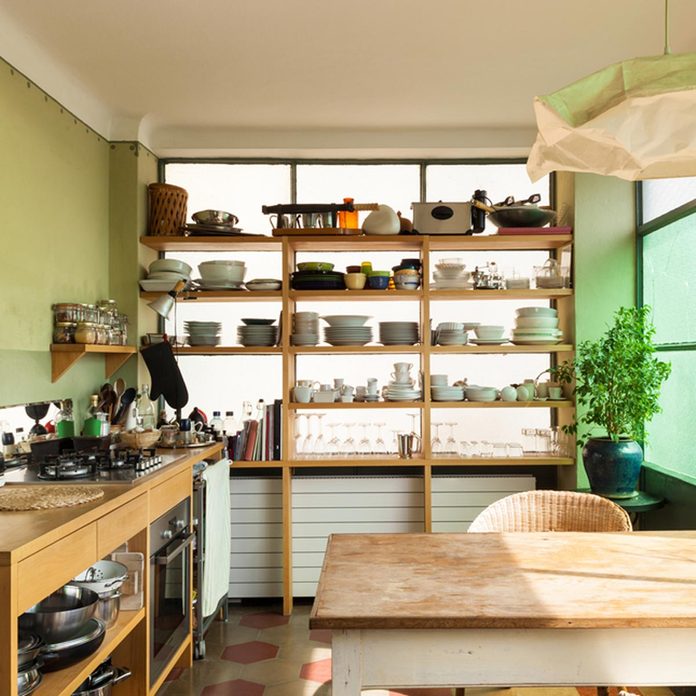
Credit: www.familyhandyman.com
Declutter Before Organizing
Organizing open shelves in your kitchen starts with decluttering. Clear out items you no longer use or need.
Removing clutter helps you see what you have and makes organizing easier.
Sort Essentials
First, gather all items from your open shelves. Sort them into categories like dishes, glasses, and cookware.
- Keep daily use items easy to reach
- Set aside special occasion items separately
- Group small kitchen tools together
Discard Unused Items
Look at each item and decide if you need it. Throw away broken or chipped pieces.
Donate or recycle items you no longer use but are still in good condition.
| Item | Action |
| Expired food containers | Discard |
| Old utensils | Donate |
| Broken mugs | Discard |
| Unused appliances | Donate |
Group Similar Objects
Place similar items together on the shelves. This makes it simple to find what you need.
- Put plates and bowls in one area
- Arrange glasses by size or use
- Keep spices and oils close to cooking areas
Use Stylish Containers
Open shelves in the kitchen look neat with stylish containers. They keep items organized and easy to find.
Choosing the right containers helps your kitchen look clean and inviting. Use containers that match your style.
Glass Jars And Canisters
Glass jars and canisters show what is inside while protecting food. They keep dry ingredients fresh and visible.
Use jars in different sizes for flour, sugar, pasta, and spices. Clear glass makes the kitchen look bright.
- Choose jars with airtight lids
- Pick uniform shapes for a tidy look
- Use canisters for coffee, tea, or snacks
Baskets And Bins
Baskets and bins help group small items on open shelves. They hide clutter and keep things easy to grab.
Use natural materials like wicker for a warm feel or plastic bins for easy cleaning. They add texture and style.
- Store packets, snacks, or kitchen towels in baskets
- Choose bins that fit your shelf sizes
- Stack bins if you need more space
Labeling Tips
Labels help you find items fast on open shelves. Use clear, simple labels that match your container style.
Write labels by hand or print them. Place labels on jars, baskets, and bins for easy identification.
- Use chalkboard labels for reusable options
- Keep label text short and clear
- Match label colors to your kitchen theme
Create Zones For Functionality
Organizing open shelves in your kitchen helps you find items quickly. Creating zones groups similar things together.
This makes cooking and cleaning easier. You can plan your shelves by use and keep them neat.
Cooking Essentials
Keep your most used pots, pans, and utensils close. This zone saves time when you cook meals.
Store spices and oils nearby for quick access. Use containers or racks to keep them tidy.
- Pots and pans
- Cooking utensils
- Spices and oils
- Cutting boards
Baking Supplies
Group your baking ingredients in one area. This includes flour, sugar, and measuring tools.
Store mixing bowls and baking pans nearby to keep this zone ready for use.
- Flour, sugar, and baking powder
- Measuring cups and spoons
- Mixing bowls
- Baking pans and trays
Everyday Dishes
Place plates, bowls, and glasses where they are easy to reach. This zone is for daily meals.
Keep mugs and cups close to the coffee or tea area to save time in the morning.
- Plates and bowls
- Drinking glasses
- Mugs and cups
- Serving dishes
Incorporate Decorative Elements
Open shelves in the kitchen offer a great chance to show your style. Adding decorative items can make your kitchen look warm and inviting.
Decorative elements help balance function and beauty on open shelves. They add personality and make your kitchen unique.
Plants And Greenery
Plants bring life and color to open shelves. Small pots with herbs or succulents fit well in kitchen spaces.
Greenery also freshens the air and adds a natural touch. Choose easy-care plants that thrive indoors.
Artwork And Kitchenware
Adding small artwork pieces can make shelves more interesting. Simple frames or prints work well.
Display colorful or unique kitchenware as decor. Bowls, mugs, and plates can add charm and style.
- Use plates with patterns or bright colors
- Arrange mugs by size or color
- Place decorative trays or bowls
Color Coordination
Choose colors that match your kitchen theme. Coordinating colors create a neat and attractive look.
Mix neutral tones with a few bright accents. Keep the balance to avoid clutter or chaos.
- Pick two or three main colors
- Use matching containers or jars
- Group items by color for easy viewing
Maintain Cleanliness And Order
Open shelves in the kitchen look great but need care to stay neat. Keeping shelves clean and tidy makes your kitchen more inviting.
Simple habits help prevent clutter and dirt buildup. Follow these tips to keep your open shelves organized and fresh.
Regular Dusting
Dust collects quickly on open shelves. Wiping them often stops dirt from building up and keeps items looking clean.
- Use a soft cloth or microfiber duster
- Clean all surfaces, including edges and corners
- Dust items on shelves gently
- Repeat dusting at least once a week
Weekly Reorganization
Rearranging shelves weekly helps maintain order. It also makes it easier to find what you need and removes expired or unused items.
| Task | Details |
| Remove Items | Take everything off shelves for cleaning |
| Clean Shelves | Wipe surfaces with a damp cloth |
| Sort Items | Group by type or use |
| Replace Items | Put back only what you need |
| Check Expiry | Throw away old or expired products |
Handling Spills Quickly
Spills can cause stains and attract pests. Clean spills immediately to keep shelves safe and hygienic.
Follow these quick steps after a spill:
- Remove items from the affected area
- Use a damp cloth to wipe the spill
- Dry the surface with a clean towel
- Sanitize if needed with a mild cleaner
- Return items only when the shelf is dry
Maximize Vertical Space
Open shelves in the kitchen offer great storage options. Using vertical space helps keep things tidy.
Organizing shelves by stacking and adding hooks lets you fit more items easily.
Stacking Techniques
Stack items like plates and bowls to save shelf space. Use sturdy stands to keep stacks safe.
Place heavier items at the bottom and lighter ones on top. This prevents tipping and breaks.
- Use plate holders to stack vertically
- Stack cups inside each other
- Place small containers on top of larger ones
Hooks And Racks
Hooks and racks add hanging space under shelves. They free up room on the shelf surface.
Hang mugs, utensils, or small pots to keep them easy to reach and organized.
- Install hooks for mugs or cups
- Use racks for spices or small jars
- Add hanging baskets for fruits or veggies
Utilizing Shelf Edges
Use the edges of shelves for extra storage. Slim trays or magnetic strips work well here.
Edge space is perfect for small items like knives, lids, or spices that you use often.
- Attach magnetic strips for knives or tools
- Use edge trays for spice jars
- Place lid holders on shelf edges
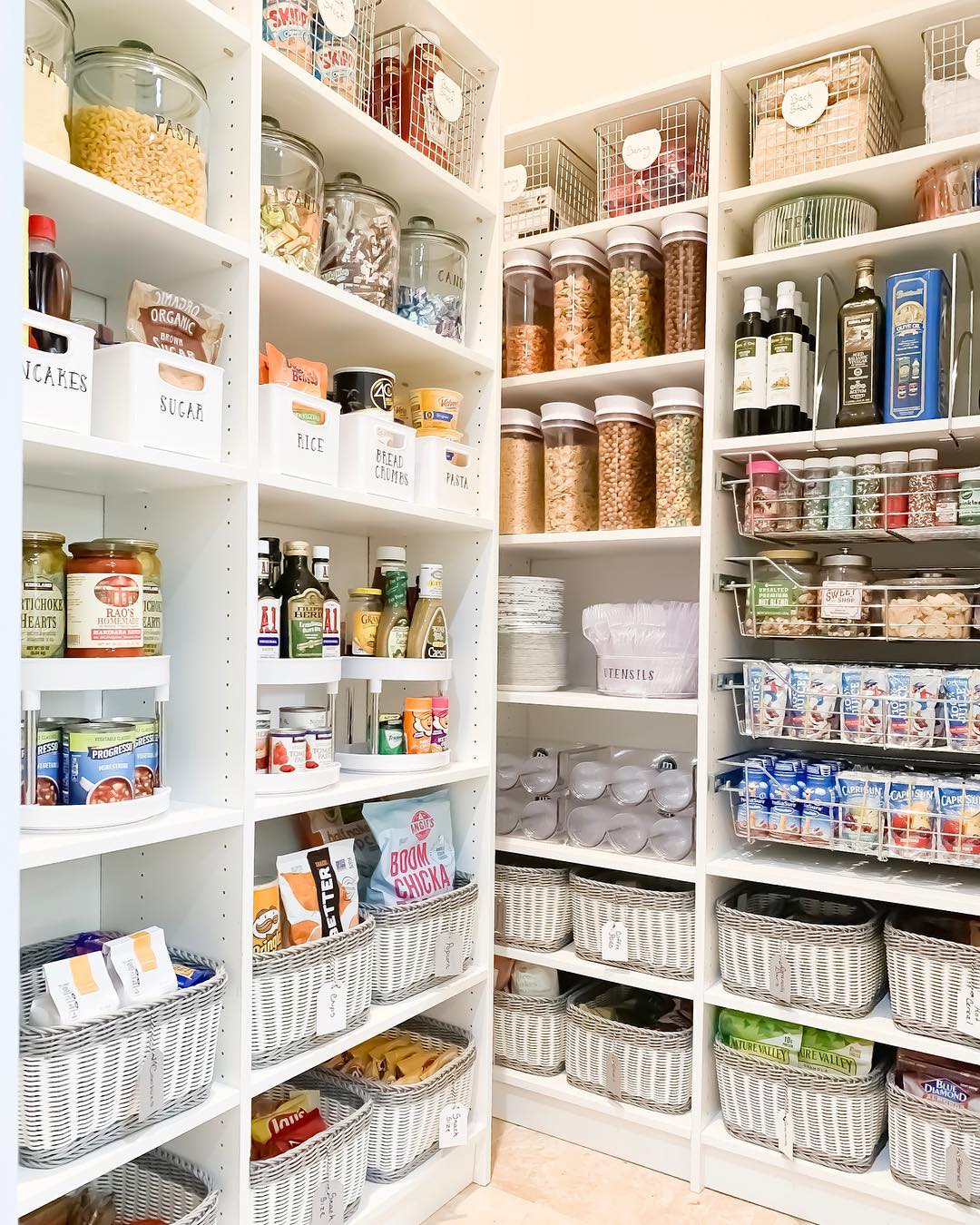
Credit: www.extraspace.com
Frequently Asked Questions
How Do I Start Organizing Open Shelves In My Kitchen?
Begin by clearing all items from your shelves. Sort items by category and frequency of use. Use baskets or containers for smaller items. Keep frequently used items at eye level for easy access.
What Are The Best Items To Display On Open Kitchen Shelves?
Display attractive and functional items like glassware, mugs, and dishes. Include decorative pieces such as plants or cookbooks. Balance practicality with aesthetics to enhance kitchen appeal.
How Can I Keep Open Shelves Clutter-free?
Limit the number of items on each shelf. Use uniform containers for a tidy look. Regularly declutter and reorganize to maintain order and cleanliness.
What Materials Work Best For Open Kitchen Shelves?
Wood and metal are popular for durability and style. Choose materials that match your kitchen decor. Consider moisture resistance for longevity in a kitchen environment.
Conclusion
Organizing open shelves in your kitchen makes cooking easier and faster. Keep items you use often within reach. Use baskets or containers to group small things neatly. Arrange dishes and cups by size and shape for balance. Clean your shelves regularly to avoid dust and clutter.
A tidy kitchen feels calm and inviting. Small changes bring big improvements to your space. Start organizing today and enjoy a neat kitchen every day.