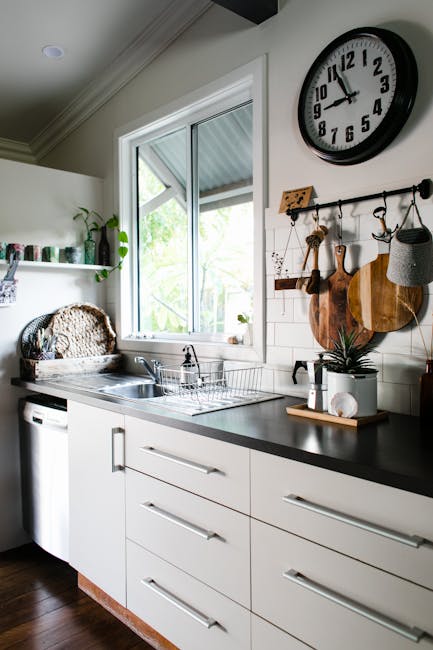
Is your kitchen feeling cluttered and chaotic? You’re not alone.
When your kitchen items are scattered everywhere, cooking becomes stressful and time-consuming. Imagine opening your cabinets and instantly finding what you need without digging through piles of stuff. Sounds good, right? You’ll discover simple and smart ways to organize your kitchen items so you can save time, reduce stress, and enjoy your cooking space more.
Ready to transform your kitchen into a neat and efficient haven? Let’s get started!
Credit: www.extraspace.com
Sort And Declutter
Keeping your kitchen neat starts with sorting and decluttering. This process helps you find what you need faster.
Start by looking at everything in your kitchen. Decide what to keep and what to remove.
Categorize Kitchen Items
Group similar kitchen items together. This makes your kitchen easier to use and clean.
- Cookware like pots and pans
- Utensils such as spoons and knives
- Food storage containers
- Spices and condiments
- Small appliances like blenders
Remove Unused Items
Look for items you have not used in a long time. These take up space and add to clutter.
- Check expiration dates on food and spices.
- Set aside broken or damaged items.
- Decide if you really need duplicate tools.
- Remove any items you rarely use.
Donate Or Discard
Items in good condition can help others. Broken items should be thrown away properly.
| Action | Examples |
|---|---|
| Donate | Unused kitchen gadgets, extra plates, clean pots |
| Discard | Broken utensils, expired food, cracked dishes |
Maximize Storage Space
Organizing kitchen items well helps save space and makes cooking easier.
Use smart ideas to store more in your kitchen without clutter.
Use Vertical Space
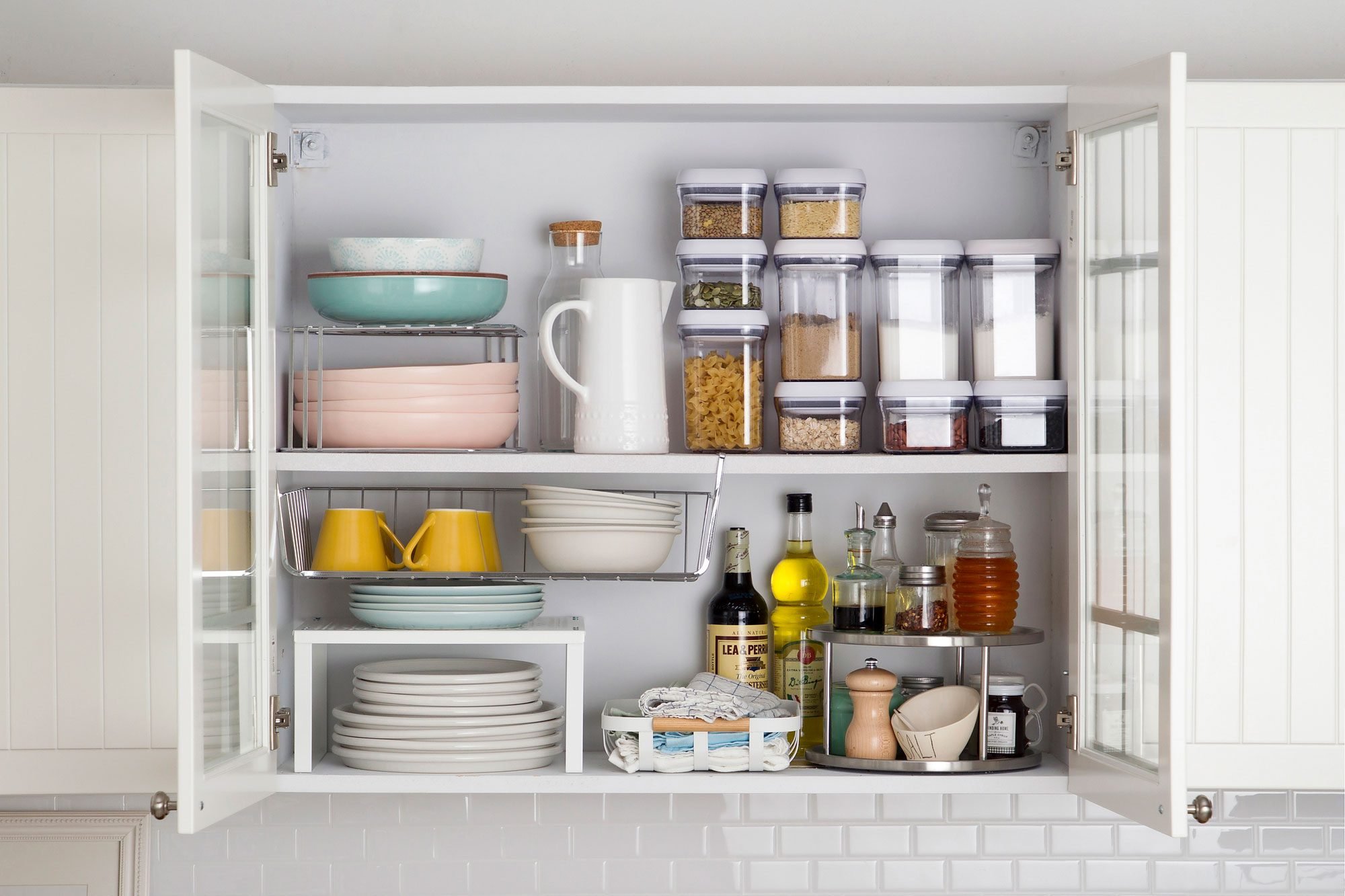
Vertical space in your kitchen is often unused. Shelves and hooks can add storage up high.
- Install tall shelves to hold jars and cans.
- Hang pots and pans on wall-mounted racks.
- Use stackable containers to save counter space.
- Add hooks under cabinets for mugs or utensils.
Install Pull-out Shelves
Pull-out shelves make deep cabinets easy to reach and organize.
| Benefit | Description |
| Easy Access | Pull shelves bring items to you |
| Better Organization | Separate shelves for different items |
| Space Saver | Use full cabinet depth efficiently |
Utilize Cabinet Doors
Cabinet doors offer extra space for small items and tools.
- Attach racks to hold spices or lids.
- Add magnetic strips for knives or metal tools.
- Use small baskets for cleaning supplies.
Organize By Frequency
Organizing kitchen items by how often you use them helps keep your space neat. It also saves time when cooking or cleaning.
Place the most-used items where they are easy to reach. Store less-used tools further away to keep counters clear.
Everyday Essentials
Everyday essentials are items you use daily. These include utensils, plates, glasses, and cooking tools.
Keep these items in easy-to-reach places like drawers or lower shelves near your cooking area.
- Forks, knives, and spoons
- Plates and bowls
- Cutting boards
- Non-stick pans and pots
- Measuring cups and spoons
Occasional Use Items
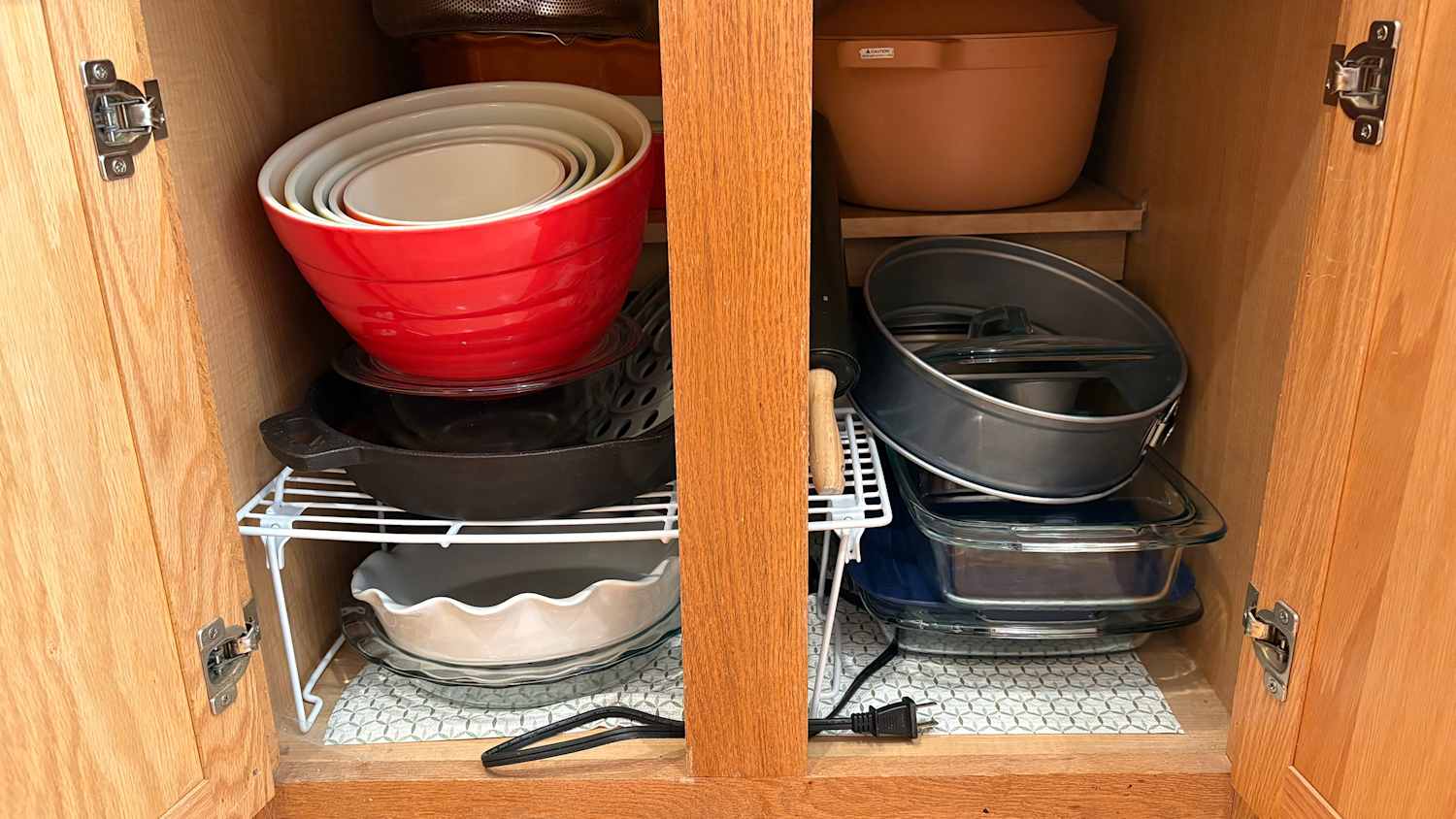
These items are used sometimes but not every day. Examples are special baking tools or large serving dishes.
Store occasional items in higher cabinets or deeper shelves. Use labeled bins or containers for easy access.
- Baking pans and molds
- Mixing bowls
- Large pots and stockpots
- Specialty kitchen gadgets
Seasonal Tools
Seasonal tools are only needed during certain times of the year. Examples include holiday cookie cutters and outdoor grill tools.
Store these items in labeled boxes or containers in a pantry or storage area. Keep them out of the way until needed.
- Holiday cookie cutters
- Ice cream makers
- Outdoor grilling tools
- Slow cookers or air fryers used rarely
Credit: www.apartmenttherapy.com
Choose The Right Containers
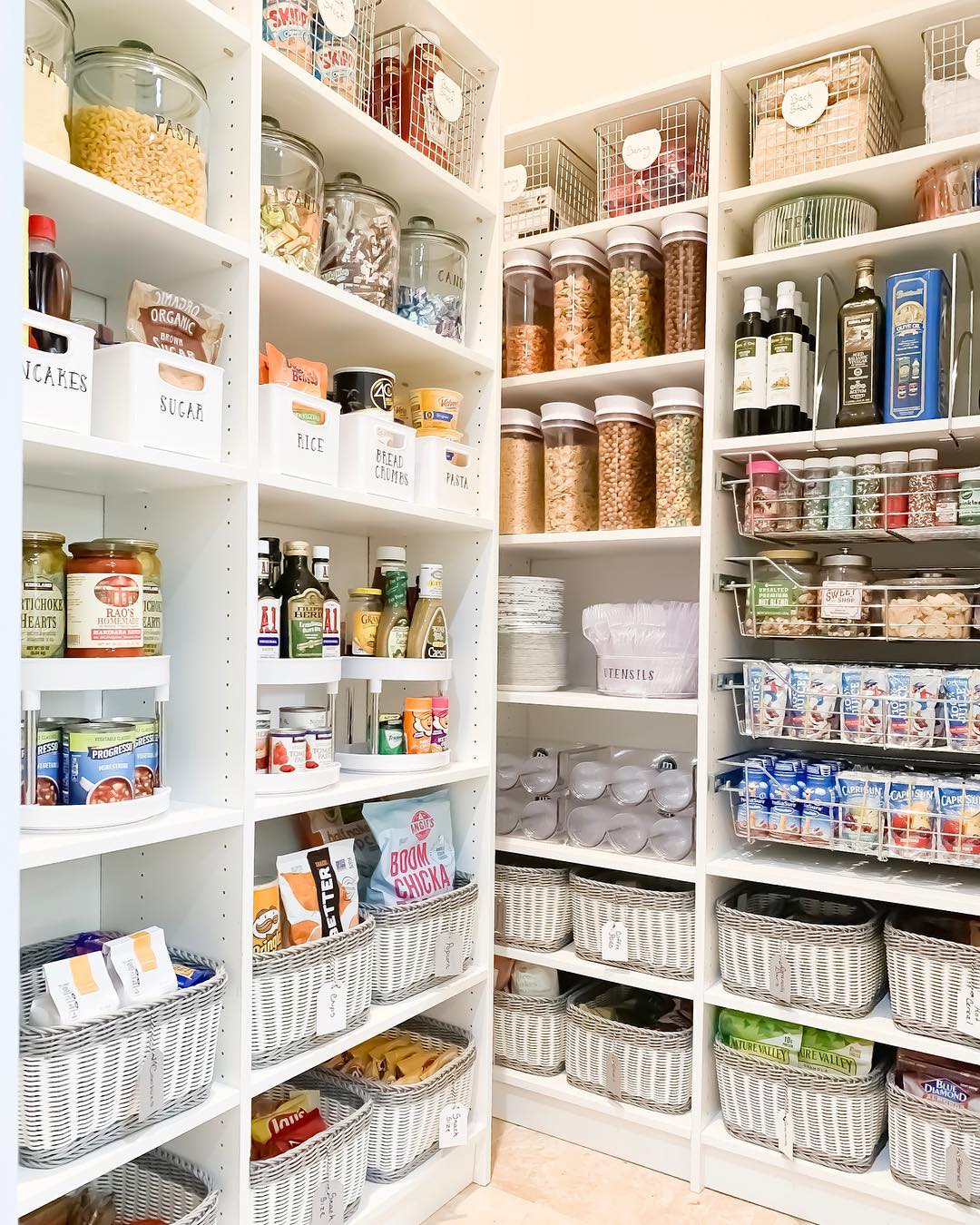
Organizing kitchen items starts with picking the right containers. Good containers keep food fresh and save space.
Choose containers that fit your kitchen style and needs. This helps you find items fast and keep things tidy.
Airtight Storage
Airtight containers keep food fresh longer by stopping air and moisture. They work well for dry goods and leftovers.
Look for containers with seals or locking lids. These containers reduce spills and keep pests away.
Clear Labels
Labels help you find what you need quickly. Use clear, easy-to-read labels on all containers.
Write the contents and date on the labels. This keeps your kitchen organized and food fresh.
- Use waterproof markers or printed labels
- Label both front and top of containers
- Update labels when you refill containers
Stackable Bins
Stackable bins save space by using vertical storage. They keep your kitchen neat and easy to access.
Choose bins that lock or fit snugly together. This prevents tipping and helps keep your items secure.
- Use stackable bins for snacks and baking supplies
- Clear bins show what is inside at a glance
- Keep similar items together in one bin
Create Zones
Organizing your kitchen by zones helps you find items fast. Each zone has tools and supplies for specific tasks.
This way, you keep your kitchen neat and work more efficiently. Let’s look at three key zones to create.
Cooking Zone
The cooking zone holds everything you need to cook meals. Store pots, pans, and cooking utensils nearby.
Keep spices, oils, and cooking tools close to the stove. This saves time while cooking.
- Pots and pans
- Spices and oils
- Cooking utensils like spatulas and spoons
- Oven mitts and trivets
Cleaning Zone
The cleaning zone stores dish soap, scrubbers, and towels. Place these items near the sink.
Keep garbage bags and recycling bins in this area. It helps keep your kitchen clean and tidy.
- Dish soap and sponges
- Cleaning sprays and cloths
- Trash and recycling bins
- Dish towels and drying racks
Food Prep Zone
The food prep zone is where you cut and prepare ingredients. Keep knives, cutting boards, and mixing bowls here.
Store measuring cups, peelers, and small appliances in this zone. It helps you get ready quickly.
- Knives and cutting boards
- Mixing bowls and measuring cups
- Peelers and graters
- Small appliances like blenders or mixers
Maintain Your System
Keeping your kitchen organized takes ongoing effort. Maintaining your system ensures everything stays neat and easy to find.
Simple daily and weekly habits help keep your kitchen items in order. Adjustments will keep the system working well for you.
Daily Tidying Habits
Spend a few minutes each day putting items back in their place. Wipe down surfaces and clear counters.
Daily tidying stops clutter from building up and keeps your kitchen ready to use.
- Return dishes and utensils after use
- Clean spills immediately
- Organize pantry items after cooking
- Clear countertops of unused items
Weekly Inventory Checks
Check your pantry and fridge once a week. Look for expired or empty items to discard.
Weekly checks help you avoid buying duplicates and keep your supplies fresh.
- Note items running low
- Remove expired foods
- Organize shelves for easy access
- Plan your shopping list accordingly
Adjust As Needed
Change your system if something does not work well. Make small tweaks to improve flow and ease.
Listen to how you use your kitchen. Adjust storage and organization to fit your habits.
- Move items closer to where you use them
- Try different containers or labels
- Rearrange shelves for better space use
- Ask family members for feedback
Credit: www.rd.com
Frequently Asked Questions
How Do I Declutter My Kitchen Effectively?
Start by emptying all cabinets and drawers. Categorize items into keep, donate, or discard piles. Only keep essentials and items you frequently use. Consider using organizers and storage solutions to maximize space. Label containers for easy identification and maintain a clutter-free environment by regularly reviewing and reorganizing.
What Is The Best Way To Store Kitchen Utensils?
Use drawer organizers or utensil holders to separate and store utensils. Group similar items together for easy access. Vertical storage solutions like wall-mounted racks can save counter space. Keep frequently used utensils within reach, and store less-used items in higher or lower cabinets.
How Can I Maximize Small Kitchen Space?
Utilize vertical storage by installing shelves or hooks. Use multifunctional furniture like foldable tables. Opt for stackable containers and nesting cookware to save space. Use the inside of cabinet doors for additional storage. Regularly review and declutter to ensure only essentials are stored.
What Are The Best Kitchen Storage Solutions?
Consider adjustable shelving, pull-out racks, and lazy Susans for cabinets. Use clear, labeled containers for pantry items. Magnetic strips can hold knives or spice jars. Over-the-door organizers can store cleaning supplies. Invest in quality storage solutions to maintain an organized and efficient kitchen.
Conclusion
Organizing kitchen items saves time and reduces stress daily. Clear spaces help you find tools and ingredients fast. Group similar items together for easy access and neatness. Use containers and labels to keep everything in place. Small steps create big changes in your kitchen’s order.
Enjoy cooking more with a tidy, well-arranged kitchen. Keep these tips in mind to maintain organization easily. A simple, clean kitchen makes your day smoother.