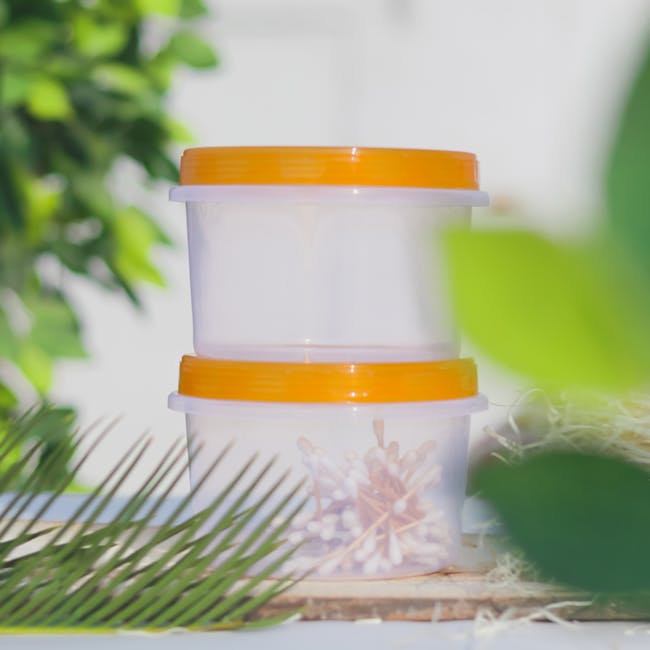
Is your kitchen cluttered with mismatched containers that make finding what you need a daily hassle? Imagine opening your pantry and instantly spotting the right container without digging through a pile.
Organizing your kitchen containers isn’t just about tidiness—it’s about saving time, reducing stress, and making cooking more enjoyable. You’ll discover simple, practical steps to transform your kitchen storage. Ready to turn chaos into calm? Let’s dive in and unlock the secrets to organizing your kitchen containers like a pro.
Choosing The Right Containers
Organizing your kitchen starts with picking the right containers. The right choice keeps food fresh and your space tidy.
Consider the material, size, and seal type to find containers that fit your needs.
Material Options
Containers come in different materials. Each has benefits and downsides to think about.
- Glass:Durable and easy to clean. It does not stain or absorb odors.
- Plastic:Lightweight and less breakable. Choose BPA-free for safety.
- Stainless Steel:Strong and rust-resistant. Good for dry foods.
- Ceramic:Stylish and sturdy. Best for pantry storage.
Sizes And Shapes
Choosing the right size and shape helps save space and fits your kitchen layout.
| Size | Use | Tip |
| Small (up to 1 cup) | Spices, nuts, small snacks | Use stackable containers |
| Medium (1-4 cups) | Dry goods, leftovers | Opt for square shapes to save space |
| Large (4+ cups) | Bulk foods, flour, sugar | Choose containers with wide openings |
Airtight Vs Non-airtight
Airtight containers keep food fresher longer by blocking air and moisture.
- Airtight:Best for grains, cereals, and leftovers.
- Non-airtight:Good for dry goods like onions or potatoes.
- Use airtight containers to avoid spills and bugs.
- Non-airtight containers allow some air flow, which suits some fresh produce.
Credit: www.theorganisedyou.com
Decluttering Your Kitchen
A cluttered kitchen makes cooking and cleaning harder. Organizing containers helps keep your kitchen tidy.
Start by sorting what you have, then decide what to keep, discard, or donate. Check your storage space to fit containers well.
Sorting Through Existing Containers
Gather all your kitchen containers in one place. Check each container for cracks, stains, or missing lids.
Sort containers by size and type. Group similar items together for easier access.
- Small containers for snacks or spices
- Medium containers for leftovers
- Large containers for bulk items
- Special containers like jars or airtight boxes
Discarding Or Donating Extras
Remove containers that are broken or missing lids. They can cause mess or food spoilage.
Donate containers you no longer need but are still usable. Someone else may find them useful.
- Throw away cracked or stained containers
- Recycle if possible
- Give clean, good condition containers to charity
- Avoid keeping duplicates you rarely use
Assessing Storage Space
Look at your kitchen cabinets and drawers. Check how much room you have for containers.
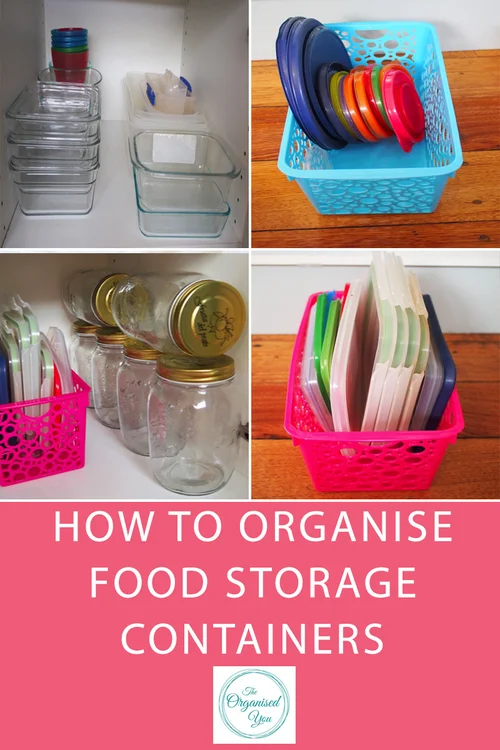
Choose storage spots that are easy to reach. Stack containers to save space and keep lids together.
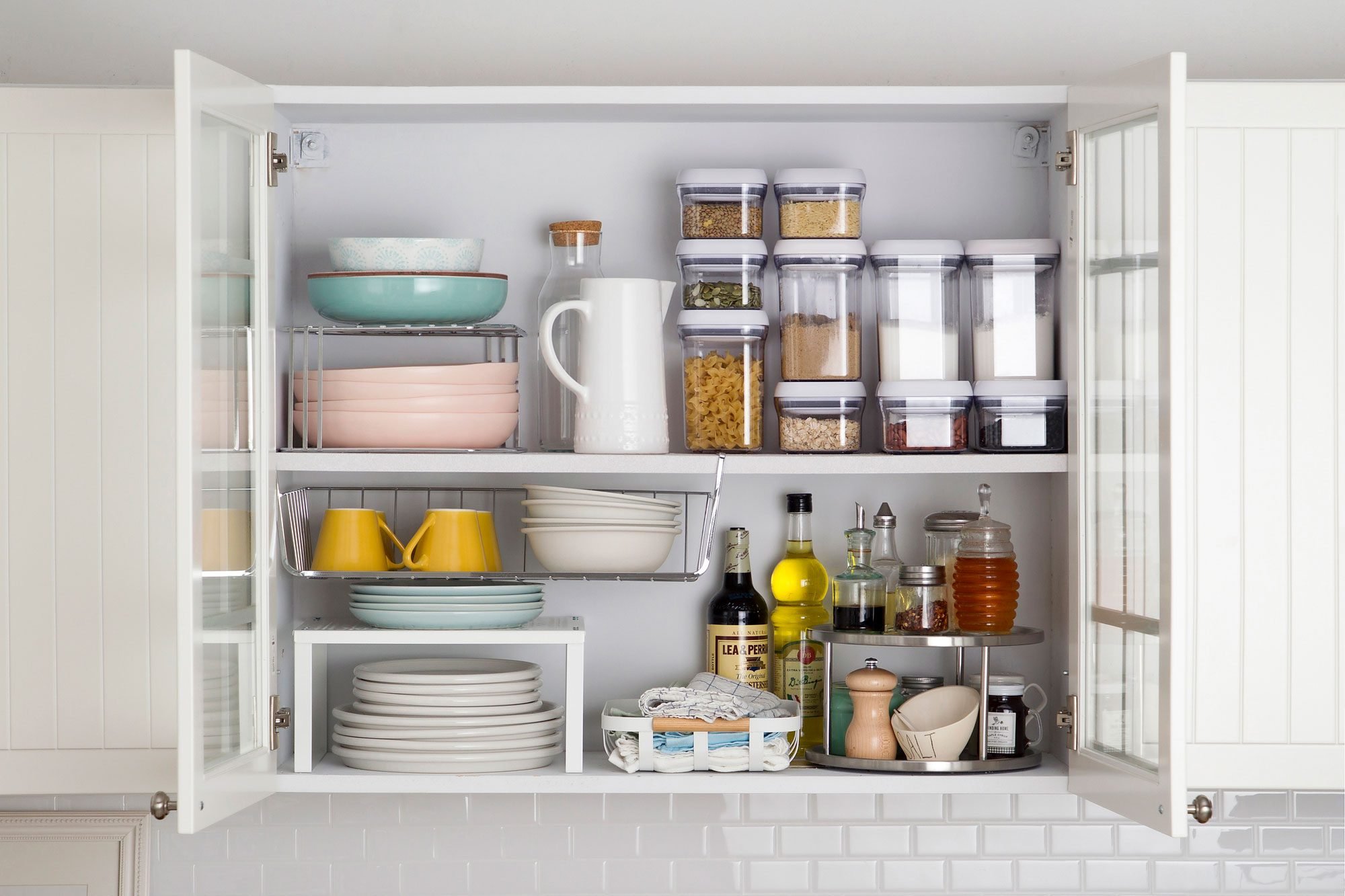
- Use shelf organizers or racks
- Store lids in a separate basket
- Keep daily-use containers at eye level
- Use clear containers for quick identification
Labeling Strategies
Organizing kitchen containers starts with clear labeling. Labels help you find items fast and keep your kitchen tidy.
Choosing the right labels and placing them well makes your system work better. You can also use digital labels for more options.
Label Materials
Choose label materials that last and suit your kitchen style. Common materials include paper, plastic, and chalkboard.
- Paper labels:Easy to print but may wear out with moisture.
- Plastic labels:Durable and water-resistant for long use.
- Chalkboard labels:Reusable and great for changing contents often.
- Vinyl labels:Stick well and resist stains and water.
Placement Tips
Place labels where you can see them easily. The right spot helps you identify containers quickly without moving them.
| Placement Area | Reason |
| Front center of the container | Visible at a glance on shelves or counters |
| Top lid | Easy to see when containers are stacked |
| Side near the top edge | Shows label when containers are inside cabinets |
| Inside the door or drawer | Helps organize if containers are stored out of sight |
Using Digital Labels
Digital labels add flexibility. You can change names and dates easily without printing new labels.
- Use small digital screens to show container content and expiry dates.
- Pair digital labels with apps to track pantry items.
- Save time by updating all labels from your phone or computer.
- Choose waterproof digital labels for kitchen use.
Credit: www.rd.com
Storage Techniques
Organizing kitchen containers can save space and keep your kitchen tidy. Using smart storage techniques helps you find containers quickly.
There are easy ways to arrange containers to use your kitchen space better. Let’s explore some simple methods.
Stacking Efficiently
Stack containers by size to use vertical space well. Place larger containers at the bottom and smaller ones on top.
Use containers with flat lids for better stacking. This method keeps containers stable and prevents spills.
- Match lids and containers to avoid clutter
- Stack nested containers inside one another
- Keep lids separate but organized in a box or tray
Using Drawer Organizers
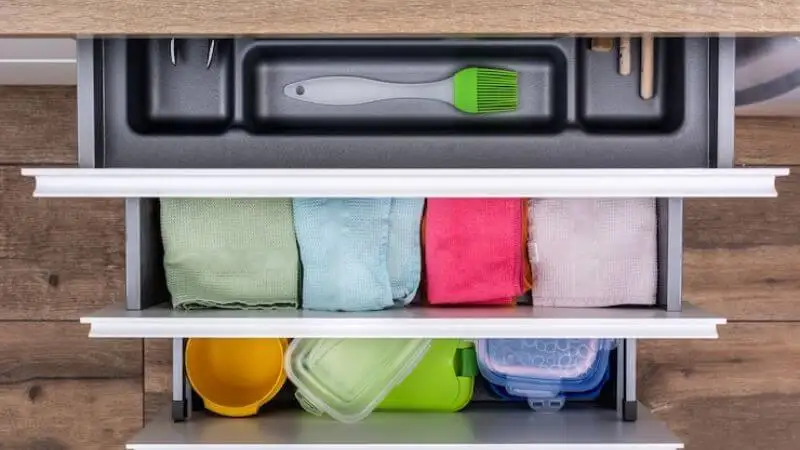
Drawer organizers divide space and keep containers neat. Use adjustable dividers to fit different container sizes.
Place lids in one section and containers in another. This helps you find what you need fast without making a mess.
- Choose organizers that fit your drawer size
- Use clear dividers to see containers easily
- Label sections to keep lids and containers separate
Maximizing Cabinet Space
Use shelf risers to create extra levels inside cabinets. This gives you more space for stacking containers.
Store containers with their lids on to save time. Group similar containers together to avoid searching.
- Install pull-out shelves for easy access
- Use clear containers to see contents quickly
- Keep frequently used containers at eye level
Maintaining Organization
Keeping kitchen containers neat helps save time and space. A well-organized kitchen makes cooking easier.
Regular care keeps containers clean and ready for use. Planning and managing containers prevents clutter.
Regular Cleaning
Clean containers after each use to avoid stains and smells. Use warm water and mild soap for best results.
Dry containers completely before storing to stop mold and mildew. Clean shelves and storage areas often too.
Rearranging Seasonally
Change container placement based on season and use. Keep frequently used containers easy to reach.
Store seasonal items separately and swap them as needed. This keeps the kitchen fresh and clutter-free.
Inventory Management
Check what containers you have before buying more. Avoid duplicates to save space and money.
Label containers clearly to find items quickly. Keep a list of container sizes and types for easy tracking.
- Count containers monthly
- Note missing lids or damaged parts
- Replace or donate unused containers
Creative Container Uses
Kitchen containers are more than just storage tools. You can use them in creative ways to save space and add style.
Using containers smartly helps keep your kitchen neat and makes cooking easier and faster.
Repurposing Old Containers
Old containers can be reused instead of thrown away. They work well for storing small kitchen items or organizing drawers.
- Use old jars to hold spices or nuts.
- Turn plastic containers into seed starters for herbs.
- Store leftover sauces in small containers and label them.
- Keep lids from containers to use as coasters or small trays.
Decorative Displays
Containers can also add a decorative touch to your kitchen. Clear jars show colorful ingredients and look inviting.
| Container Type | Decorative Use |
| Glass jars | Show dry goods like pasta and beans |
| Colored tins | Display tea bags or coffee pods |
| Wooden boxes | Store and showcase fresh fruits |
| Ceramic pots | Hold fresh herbs on the windowsill |
Multi-purpose Storage Ideas
Containers can serve many roles beyond food storage. Use them to keep kitchen tools and small gadgets organized.
Try these ideas for multi-use containers:
- Stack containers to separate baking supplies like cupcake liners, sprinkles, and food coloring.
- Use containers with lids to keep cutlery clean and easy to find.
- Store small kitchen tools such as peelers and measuring spoons in clear containers.
- Keep extra cleaning sponges and brushes in a ventilated container to dry.
Credit: www.vevor.com
Frequently Asked Questions
What Are The Best Containers For Kitchen Organization?
The best containers are airtight, stackable, and transparent. They help keep food fresh and easy to find. Choose BPA-free materials like glass or high-quality plastic for safety and durability.
How Can I Maximize Space Using Kitchen Containers?
Use stackable containers and uniform sizes to save space. Label each container and store similar items together. Utilize shelf risers and drawer organizers for better arrangement.
How Do I Maintain Hygiene With Kitchen Containers?
Clean containers thoroughly after each use with warm, soapy water. Dry completely to prevent mold and bacteria. Regularly check for cracks or damage and replace if necessary.
What Is The Best Way To Label Kitchen Containers?
Use waterproof labels or a label maker for clear identification. Write item names and expiration dates for easy tracking. Place labels on the container’s front or lid for quick access.
Conclusion
Organizing kitchen containers saves time and space every day. Clear labels help find ingredients quickly and easily. Group similar items together to keep your kitchen neat. Use stackable containers to maximize shelf space. Regularly check and clean your containers to stay organized.
Small steps lead to a clutter-free kitchen that feels calm. Start today and enjoy a more efficient cooking area. Simple habits make a big difference in kitchen organization.