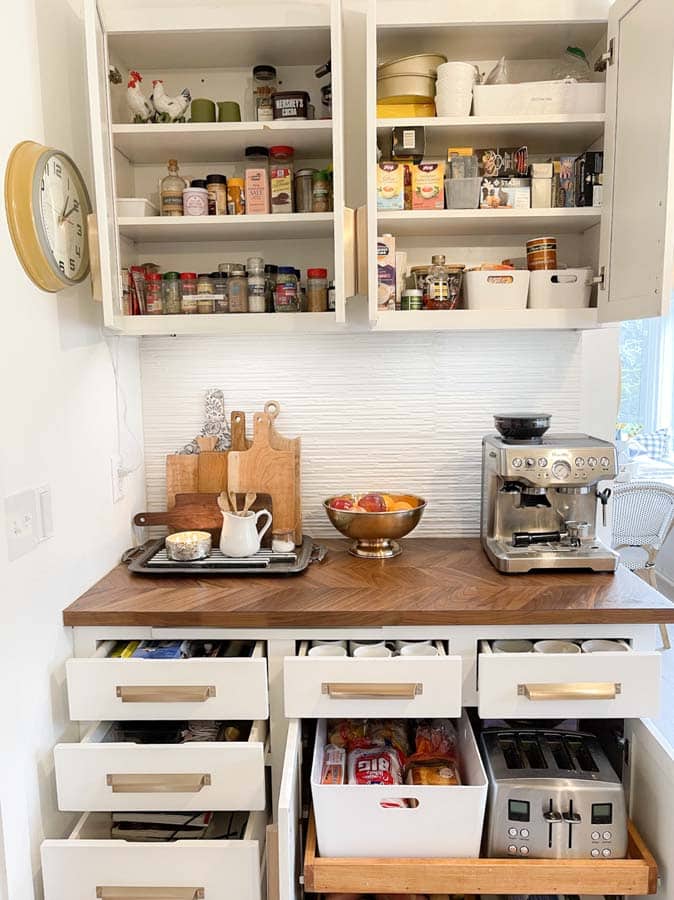
Is your kitchen cluttered with messy cabinets and drawers that make cooking more stressful than it should be? You’re not alone.
When everything has a place, your kitchen feels bigger, your cooking flows easier, and your day gets just a bit brighter. Imagine opening your cabinets and instantly finding what you need without digging through piles of stuff. In this guide, you’ll discover simple, practical ways to organize your kitchen cabinets and drawers—so you can save time, reduce frustration, and enjoy your space more.
Ready to transform your kitchen into a neat, efficient haven? Let’s get started!
Assess Your Kitchen Space
Organizing kitchen cabinets and drawers starts with knowing your space well. Assessing helps you find the best way to use every corner.
Look at your cabinets and drawers carefully. Think about their size, shape, and how you use them daily.
Measure Cabinets And Drawers
Take a tape measure and write down the width, height, and depth of each cabinet and drawer. This gives you a clear idea of how much space you have.
Knowing these measurements helps you pick the right storage containers and organizers that fit well inside.
Identify Problem Areas
Look for cabinets or drawers that are hard to reach or cluttered. These spots often cause frustration and waste space.
Check if some areas are underused or too full. Mark these as problem areas to focus on when organizing.
- Deep cabinets that hide items at the back
- Drawers that mix different types of utensils
- Spaces with no clear purpose or organization
Consider Your Cooking Habits
Think about how you cook every day. Which tools and ingredients do you use most often? Keep those close and easy to reach.
Store rarely used items in less accessible areas. Organizing based on your habits saves time and effort.
- Place pots and pans near the stove
- Keep cutting boards and knives in one drawer
- Store spices where you can quickly grab them
Declutter Before Organizing
Organizing kitchen cabinets and drawers starts with decluttering. Clearing out items helps create space and makes organizing easier.
Focus on what you really use and remove what you do not need. This way, you keep your kitchen neat and functional.
Sort Items By Use
Group your kitchen items based on how often you use them. Keep daily-use items within easy reach. Store rarely used items in higher cabinets or drawers.
- Everyday dishes and utensils
- Cooking tools and gadgets used weekly
- Special occasion items used monthly or less
Discard Expired Or Unused Items
Check all food and products for expiration dates. Throw away anything expired. Also, remove items you no longer use or need.
| Item | Action |
| Old spices | Discard |
| Broken utensils | Discard |
| Expired canned goods | Discard |
| Extra plates | Consider donating |
Donate Or Sell Extras
Items in good condition that you no longer need can be donated or sold. This helps others and frees up your space.
Here are some ideas for items to donate or sell:
- Extra cookware and bakeware
- Unwanted small appliances
- Unused dish sets or glassware
- Kitchen gadgets in good condition
Categorize Kitchen Items
Organizing kitchen cabinets and drawers starts with sorting items by category. Grouping helps find things quickly.
Clear categories make your kitchen more efficient and reduce clutter.
Group Similar Items Together
Put like items in the same cabinet or drawer. Keep plates with plates, pots with pots, and utensils with utensils.
- Store baking tools in one place
- Keep all spices together on a shelf
- Group food storage containers in one drawer
- Arrange cutting boards and knives near each other
Create Zones For Different Tasks
Designate areas for cooking, baking, and cleaning. This helps you work faster in the kitchen.
| Zone | Items to Store |
| Cooking | Pots, pans, spatulas, lids |
| Baking | Mixing bowls, measuring cups, baking trays |
| Cleaning | Dish soap, sponges, towels |
| Food Prep | Cutting boards, knives, peelers |
Label Containers And Shelves
Use labels to mark containers and shelves. Labels make it easy to find and return items.
- Label spice jars with names and expiration dates
- Mark shelves for snacks, canned goods, or baking supplies
- Use clear containers with labels for dry ingredients
- Label drawers for utensils, towels, or gadgets

Credit: www.hgtv.com
Maximize Cabinet Storage
Organizing kitchen cabinets and drawers helps you find items fast. It also creates more space.
Use simple tools and ideas to make the most of your storage areas.
Use Shelf Risers
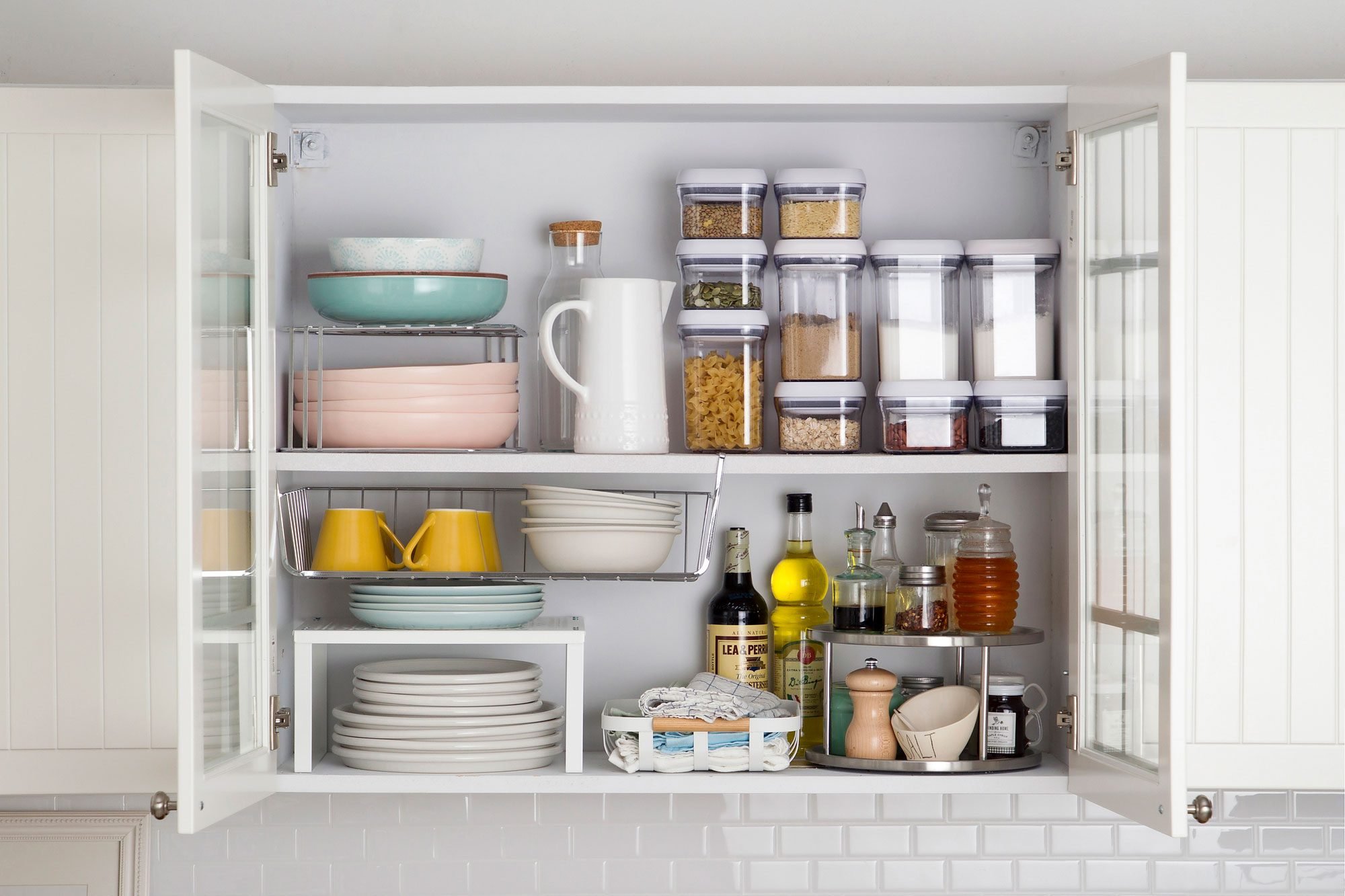
Shelf risers add a second level inside your cabinets. They let you stack plates, bowls, or cups.
- Choose risers that fit your cabinet size.
- Place taller items on the bottom shelf.
- Use the top shelf for smaller or lighter items.
- Clear risers help you see what is stored.
Install Pull-out Trays
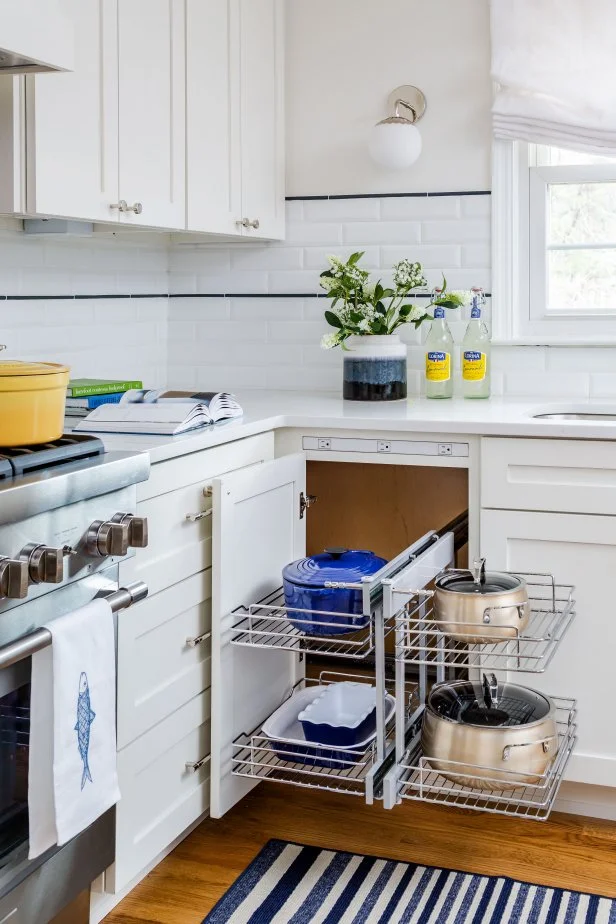
Pull-out trays slide out to show the full cabinet contents. They reduce bending and digging.
| Tray Type | Best For | Benefit |
| Wire pull-out | Pots and pans | Good air flow and visibility |
| Wooden pull-out | Spices and small jars | Sturdy and stylish |
| Plastic pull-out | Cutlery and utensils | Easy to clean and light |
Add Door-mounted Organizers
Door-mounted organizers use the inside of cabinet doors for storage. They keep small items handy.
- Install racks or pockets for spices and lids.
- Use hooks for measuring spoons or towels.
- Choose adjustable organizers to fit your needs.
- Keep heavy items off the door to avoid damage.
Optimize Drawer Space
Organizing your kitchen drawers helps you find items quickly. It also keeps your space tidy and easy to use.
Using simple tools and smart layouts can make your drawers work better for you.
Use Drawer Dividers
Drawer dividers separate items and stop them from mixing together. They keep everything in its place.
- Choose dividers that fit your drawer size
- Use adjustable dividers for different items
- Sort items by type or size within each section
- Clean dividers regularly to avoid dust and crumbs
Store Flatware Efficiently
Flatware can clutter drawers if not stored well. Use trays or compartments to keep forks, knives, and spoons organized.
| Flatware Type | Storage Tip |
| Forks | Place in narrow slots for easy access |
| Knives | Use blade guards or separate compartments |
| Spoons | Group by size in divided trays |
| Serving Pieces | Store in a larger compartment separately |
Organize Utensils By Frequency
Keep the utensils you use most often near the front of the drawer. Less used items can go in the back or in deeper drawers.
- Daily utensils like spoons and forks should be easy to reach
- Specialty tools can be placed in the back or separate drawers
- Group similar items together for faster cooking
- Label compartments if needed for quick identification
Incorporate Storage Accessories
Organizing kitchen cabinets and drawers becomes easier with the right tools. Storage accessories help you keep everything neat and accessible.
Choosing good accessories makes your kitchen more functional and saves time while cooking.
Use Lazy Susans
Lazy Susans are turntables that fit inside cabinets. They help you reach items in the back without moving everything.
- Place spices, oils, or small jars on them
- Use in corner cabinets for better access
- Choose sizes that fit your cabinet space
Add Clear Containers
Clear containers keep food fresh and visible. You can quickly see what you have and what needs refilling.
| Container Type | Best For | Material |
| Square | Dry goods like rice and pasta | Plastic or glass |
| Round | Snacks and nuts | Plastic |
| Stackable | Small items and leftovers | Glass with lids |
Utilize Stackable Bins
Stackable bins maximize vertical space in drawers and cabinets. They keep items grouped and easy to find.
- Label bins for quick identification
- Use for utensils, snacks, or cleaning supplies
- Choose bins with handles for easy pulling
Maintain Organization Over Time
Keeping your kitchen cabinets and drawers organized takes effort over time. Regular care helps you find items quickly and keeps your kitchen neat.
Small habits and checks ensure your system stays useful and tidy. Let’s look at ways to keep your kitchen organized long term.
Regularly Reassess Your Setup
Check your cabinet and drawer setup every few months. See if the placement of items still works for you. Remove things you no longer use.
- Look for clutter or items out of place
- Decide if frequently used items are easy to reach
- Think about adding new organizers or dividers
- Remove expired or unused products
Clean Cabinets And Drawers
Cleaning your storage spaces keeps your kitchen fresh and hygienic. Wipe down surfaces and remove crumbs or spills.
| Task | Frequency | Tools Needed |
|---|---|---|
| Empty cabinets and drawers | Monthly | Trash bag, box for sorting |
| Wipe surfaces with mild cleaner | Monthly | Cloth, mild cleaning spray |
| Check for pests or damage | Quarterly | Flashlight |
Adjust For Changing Needs
As your cooking habits change, update your organization. Move items to better spots or add new storage solutions.
- Shift seasonal tools to easy access
- Add bins for new gadgets or spices
- Rearrange shelves for larger pots or pans
- Keep everyday items within arm’s reach
Credit: www.rd.com
Credit: www.hgtv.com
Frequently Asked Questions
How Do I Start Organizing Kitchen Cabinets?
Begin by emptying all cabinets and sorting items by type. Discard unused or expired items. Group similar items together for easy access.
What’s The Best Way To Organize Kitchen Drawers?
Use drawer dividers to separate utensils and tools. Keep frequently used items in front. Arrange by function to save time during cooking.
How Can I Maximize Space In Kitchen Cabinets?
Install adjustable shelves or pull-out racks. Use clear containers to stack items neatly. Utilize cabinet doors for hanging small tools.
How Often Should I Declutter Kitchen Cabinets?
Declutter every 3 to 6 months. Regularly check for expired food and unused gadgets. Keeping cabinets tidy prevents clutter buildup.
Conclusion
Organizing kitchen cabinets and drawers makes cooking easier and faster. Clear spaces help find items without stress or mess. Small steps like sorting and labeling save time daily. Keep only what you use often to avoid clutter. Regular tidying keeps your kitchen neat and welcoming.
A well-organized kitchen feels calm and inviting. Try these simple tips to enjoy your kitchen more.