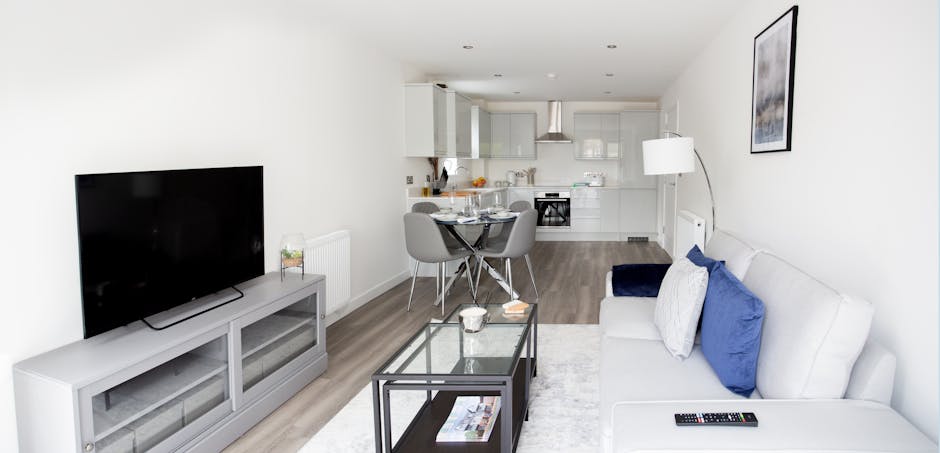
Your kitchen is more than just a place to cook—it’s where your creativity flows, your family gathers, and your day truly begins. A well-designed kitchen doesn’t just look good; it works for you.
It helps you save time, reduce stress, and even boost your mood. Imagine moving effortlessly between tasks, finding everything exactly where you need it, and enjoying the space you spend so much time in. If you want a kitchen that truly fits your lifestyle and makes daily life easier, keep reading.
This article will show you how a smart kitchen design can make a real difference for you.

Credit: www.designcafe.com
Key Elements Of Kitchen Efficiency
A well-designed kitchen helps you work faster and safer. It saves time by making everything easy to reach.
Good kitchen design reduces stress and makes cooking more enjoyable. Focus on three main elements to improve efficiency.
Optimized Layouts
Plan your kitchen layout to keep work areas close. This reduces walking and saves effort during cooking.
- Place the sink, stove, and refrigerator near each other.
- Allow enough counter space between these areas for prep work.
- Keep the main pathways clear for easy movement.
- Use corners and walls efficiently with cabinets and shelves.
- Consider an island if space allows for extra workspace.
Strategic Appliance Placement
Arrange appliances so they support the flow of cooking tasks. This makes your work faster and less tiring.
| Appliance | Recommended Location | Reason |
|---|---|---|
| Refrigerator | Near kitchen entrance | Easy access to food items |
| Oven and Stove | Central cooking area | Convenient for meal preparation |
| Dishwasher | Next to sink | Simplifies cleanup |
| Microwave | At eye level or countertop | Quick heating without bending |
Effective Storage Solutions
Good storage keeps your kitchen tidy. It helps you find items fast and keeps counters free.
- Use pull-out shelves for pots and pans.
- Install vertical dividers for baking sheets and trays.
- Keep daily-use items in easy-to-reach drawers.
- Store rarely used items in high cabinets.
- Label containers to quickly identify contents.

Credit: www.kohler.com
Design Principles That Enhance Workflow
A well-designed kitchen improves how people work inside it. Good design makes cooking and cleaning easier and faster.
This article explains three key ideas that help organize a kitchen for better flow and less stress.
The Work Triangle Concept
The work triangle links the stove, sink, and refrigerator. These are the most used spots in a kitchen.
Keeping these three areas close but not crowded helps save time and effort while cooking.
Zoning For Task Management
Zoning means dividing the kitchen into areas for different tasks. Each zone has tools and supplies needed for that job.
- Cooking zone with stove and pots
- Cleaning zone with sink and dishwasher
- Storage zone for food and utensils
- Preparation zone with cutting boards and knives
Minimizing Movement And Clutter
Reducing walking and clutter helps keep the kitchen safe and fast to work in. Clear counters make cooking smoother.
| Method | Benefit |
| Store frequently used items nearby | Less reaching and bending |
| Use drawers for utensils | Easy access and less mess |
| Keep counters clear | More space to work |
| Organize pantry by food type | Find items quickly |
Smart Technology In Kitchens
Smart technology changes how we use kitchens daily. It makes cooking easier and saves time.
With new tools, kitchens become more connected and efficient for every user.
Automation And Connectivity
Automation lets kitchen devices work by themselves. Connectivity links appliances to your phone or home system.
- Control ovens and lights remotely
- Receive alerts when food is ready
- Set timers and adjust temperatures automatically
- Use voice commands to manage devices
Energy-efficient Appliances
Energy-efficient tools reduce electricity use. They help save money and protect the environment.
| Appliance | Energy Rating | Feature |
| Refrigerator | A++ | Low power consumption |
| Dishwasher | A+ | Water-saving mode |
| Oven | A | Fast heating technology |
Smart Storage Systems
Smart storage keeps food fresh and organized. Sensors track items and remind you to restock.
Examples of smart storage features:
- Temperature-controlled drawers
- Inventory tracking with barcode scanning
- Automatic shopping list updates
Credit: www.servpro.com
Materials And Finishes For Functionality
A well-designed kitchen balances style with practical materials. Choosing the right finishes helps the kitchen last longer and stay easy to clean.
Materials should support everyday use. They also make cooking and cleaning more comfortable.
Durable Countertops
Countertops face heavy use and need strong materials. Durable surfaces resist scratches, stains, and heat.
- Granite: Hard and heat-resistant
- Quartz: Non-porous and scratch-resistant
- Concrete: Customizable and tough
- Butcher block: Warm but needs sealing
Easy-to-clean Surfaces
Surfaces that clean quickly save time and keep germs away. Smooth and sealed finishes work best.
| Surface | Cleaning Tip | Best For |
| Laminate | Wipe with mild soap | Light use areas |
| Stainless Steel | Use soft cloth and cleaner | Appliance fronts |
| Ceramic Tile | Scrub grout regularly | Backsplashes |
| Glass | Use glass cleaner | Windows and shelves |
Ergonomic Fixtures
Fixtures should reduce strain. Good design helps you work faster and feel less tired.
- Faucets with pull-out sprayers for easy washing
- Handles that fit your hand comfortably
- Adjustable shelving to reach items easily
- Rounded edges to avoid bumps
Personalizing For User Needs
A kitchen designed to fit a person’s needs makes daily tasks easier. It helps everyone feel comfortable and efficient while cooking or cleaning.
Adjusting the kitchen to match habits and abilities brings more joy and less stress to the space.
Adjustable Workspaces
Workspaces that change height or position suit different users. This flexibility helps people work without strain.
- Countertops with adjustable heights
- Pull-out cutting boards for extra space
- Movable kitchen islands for convenience
- Foldable tables to save room
Accessibility Features
Designing for accessibility means everyone can use the kitchen safely and easily. Features help people with limited mobility or vision.
| Feature | Purpose |
|---|---|
| Lever-style handles | Easy to open for weak grip |
| Lowered sinks | Wheelchair accessible |
| Bright, even lighting | Improves visibility |
| Slip-resistant floors | Prevents falls |
Custom Storage Options
Storage that fits your items and habits keeps the kitchen tidy. Custom solutions make it easy to find and reach everything.
Storage Ideas
- Pull-out pantry shelves for canned goods
- Deep drawers for pots and pans
- Vertical racks for cutting boards and trays
- Hooks and rails for utensils and mugs
Impact Of Lighting And Ventilation
A well-designed kitchen helps you work comfortably and safely. Lighting and ventilation are key parts of this design. They affect how you cook and how you feel in the space.
Good lighting brightens your work areas. Proper ventilation removes smells and keeps the air fresh. Both make the kitchen more enjoyable and healthy.
Task And Ambient Lighting
Task lighting focuses on areas where you prepare food. Ambient lighting lights the whole kitchen softly. Both types are important for a balanced look and function.
- Task lighting helps you see clearly while chopping or cooking.
- Ambient lighting creates a warm and inviting atmosphere.
- Use LED lights for energy efficiency and brightness.
- Place lights under cabinets to reduce shadows on counters.
Natural Light Integration
Natural light makes your kitchen feel open and fresh. It lowers the need for artificial lights during the day. Windows and skylights are great ways to bring in sunlight.
| Source | Benefit |
| Windows | Bring direct sunlight and views outside |
| Skylights | Fill the kitchen with soft, even light |
| Glass doors | Allow light and easy access to outdoor areas |
Effective Ventilation Systems
Ventilation removes steam, smoke, and odors from cooking. It keeps air clean and prevents moisture build-up. A good system improves kitchen comfort and safety.
- Range hoods that vent outside
- Recirculating hoods with filters
- Exhaust fans near cooking areas
Frequently Asked Questions
What Does A Well-designed Kitchen Primarily Address?
A well-designed kitchen primarily addresses functionality, efficiency, and aesthetics. It improves workflow, storage, and safety. This design supports cooking ease and enhances the overall home experience, making daily tasks smoother and more enjoyable.
How Does Kitchen Design Impact Daily Cooking Efficiency?
Kitchen design impacts daily cooking efficiency by optimizing space and workflow. Proper layout reduces movement and saves time. It ensures essential tools and appliances are easily accessible, making meal preparation faster and less stressful.
Why Is Storage Important In A Kitchen Design?
Storage is important in kitchen design to keep the space organized and clutter-free. It allows easy access to utensils and ingredients. Good storage solutions maximize space, improve kitchen hygiene, and enhance overall functionality.
How Can Kitchen Design Improve Safety?
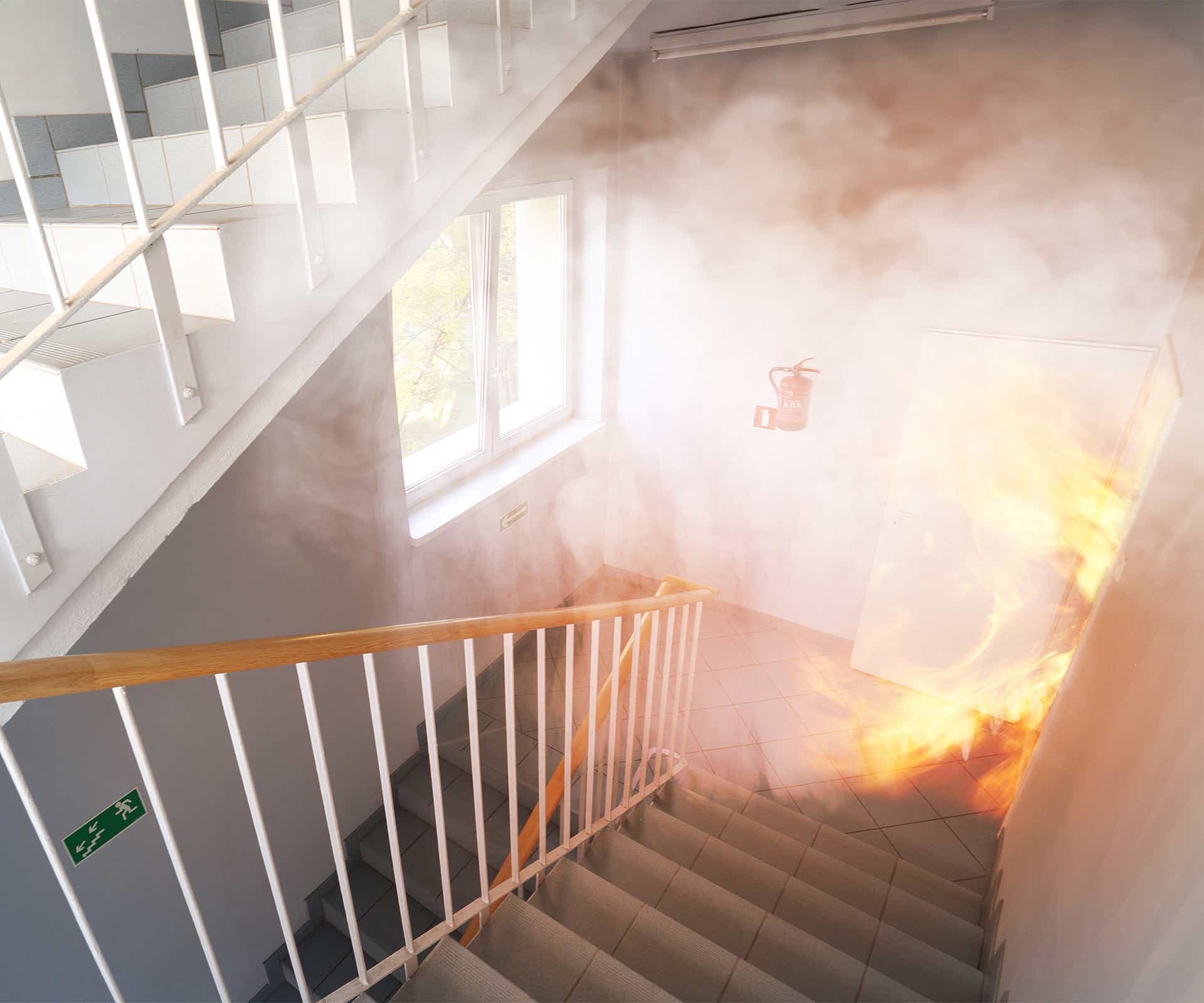
Kitchen design improves safety by incorporating ergonomic layouts and proper lighting. It minimizes accidents by reducing sharp corners and slippery surfaces. Safe kitchen design also includes fire-resistant materials and easy access to emergency equipment.
Conclusion
A well-designed kitchen makes daily tasks easier and more enjoyable. It saves time and reduces stress while cooking or cleaning. Good layout and storage help keep things neat and within reach. Bright lighting and open space create a welcoming feel.
A thoughtful kitchen supports healthy habits and family moments. Small changes can bring big improvements to your home. A smart kitchen design truly benefits your life every day.